Goldfish
Carassius auratus
The long-lived coldwater classic that was never meant for a bowl
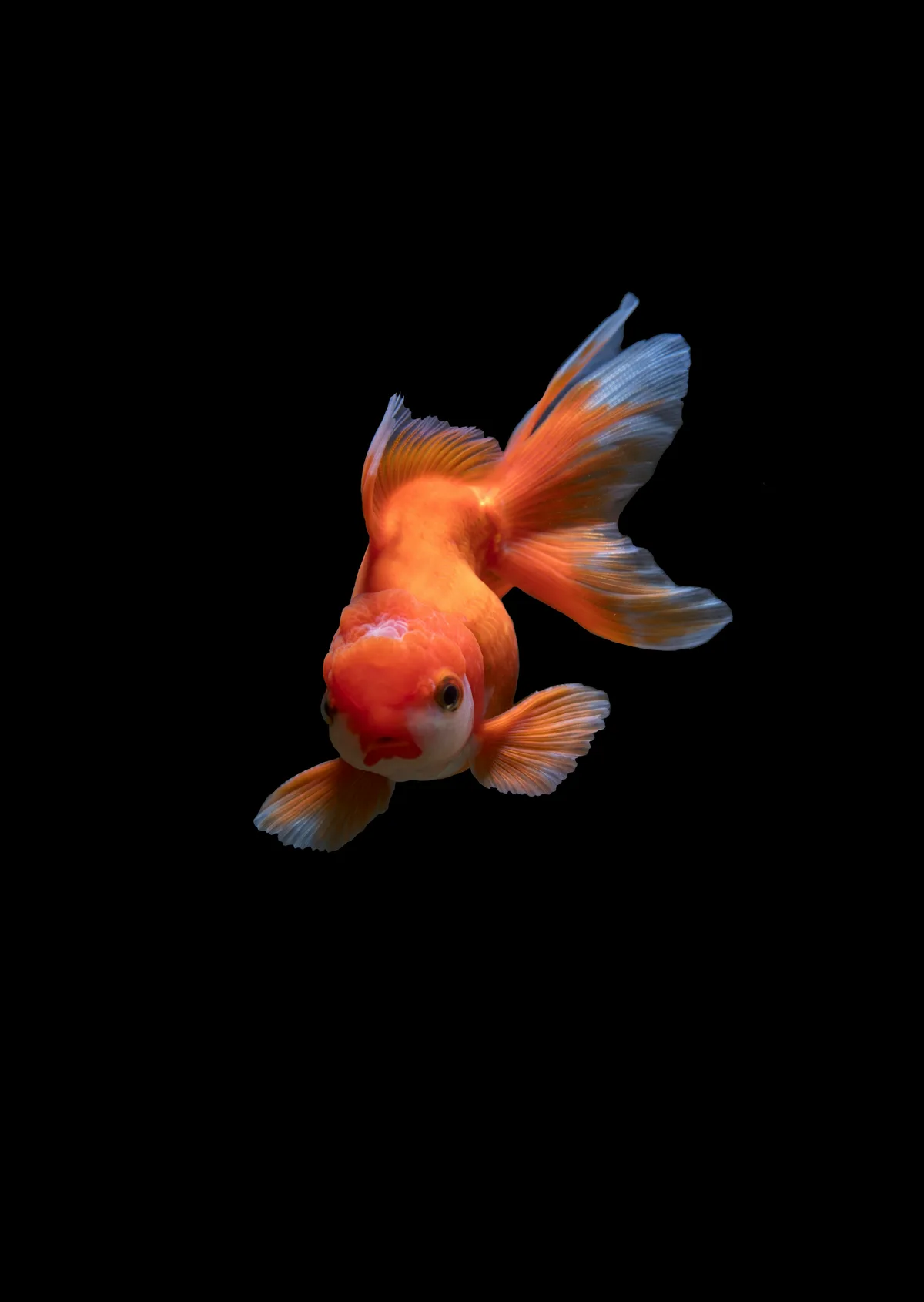
The goldfish (Carassius auratus) is a domesticated coldwater cyprinid that's been kept in home tanks for over a thousand years. Commons and comets are strong-swimming, foot-long fish that need pond-scale filtration to thrive; fancy varieties like the Oranda, Ryukin, and Black Moor stay smaller but are selectively bred for body shape over athletic ability. Despite their reputation as throwaway fair-prize fish, goldfish are social, intelligent, and routinely live 10–15 years when given the tank space, cool temperatures, and filtration they actually need.
- Tank size
- 20 gallons (75 L) for one fancy, +10 gallons per additional; 75+ gallons (285+ L) for commons or comets
- Temperature
- 18–22°C (65–72°F), coldwater — no heater
- pH
- 7.0–8.4
- Hardness
- 5–19 dGH, moderately hard to hard
- Temperament
- Peaceful, social, active
- Diet
- Omnivore; sinking gel food, goldfish pellets, blanched vegetables, occasional bloodworms
- Max size
- Fancy: 15–20 cm (6–8 in); Common/Comet: 25–35 cm (10–14 in)
- Lifespan
- 10–15 years, 20+ possible
- Origin
- Domesticated in China from Prussian carp — over 1,000 years of selective breeding
Common Goldfish, Comet, Shubunkin, Fantail, Oranda, Ryukin, Black Moor, Ranchu, Lionhead, Telescope Eye, Bubble Eye, Pearlscale
Care
Goldfish care is mostly about unlearning what the toy aisle taught you: they aren't bowl fish, they aren't tropical fish, and they aren't small. This section covers the daily and weekly routine that keeps a goldfish thriving into its second decade — feeding, water changes, and the stocking math that keeps bioload manageable.
Tank Size
The single question that decides whether a goldfish lives or dies young is tank size. Fancy varieties need 20 gallons for one plus 10 per additional; commons and comets eventually need something closer to a pond. This section walks through why bowls and 5-gallon starter kits always fail and what footprint actually works.
- Can I keep 1 goldfish in a 5 gallon tank?
- Can I put 1 goldfish in a 10 gallon tank?
- Can I put 2 goldfish in a 3 gallon tank?
- Can I put 3 goldfish in a 5 gallon tank?
- How big should my tank be for a goldfish?
- How many goldfish can live together?
- How many goldfish should be in a tank together?
- Is 2 gallons enough for 1 goldfish?
- Is a 5 gallon tank ok for 1 goldfish?
- Should I have 1 or 2 goldfish?
- Why shouldn't you keep goldfish in a bowl?
Tank Setup
A well-set-up goldfish tank is long, heavily filtered, and stocked with the kind of decor that won't chip a fancy's wen or trap a bubble-eye. This section covers substrate choice, safe decor, lighting, and what to leave out.
Water Parameters
Goldfish are hard-water, neutral-to-alkaline fish that produce more ammonia per inch than almost anything in the hobby. This section covers ideal pH, hardness, and nitrate ranges, plus why water quality drives every other goldfish outcome.
- Can I put bottled water in my goldfish tank?
- Can I use tap water in a goldfish tank?
- Can you over-oxygenate a goldfish tank?
- Do goldfish like clean or dirty water?
- Do goldfish prefer high or low pH?
- Is 40 kH bad for goldfish?
- What happens if KH is too high in a goldfish tank?
- What water parameters do goldfish like?
Temperature
Goldfish are coldwater fish — not tropical — and a standard aquarium heater will shorten their life. This section covers the target range, why they don't need heating in most homes, and how to handle summer heat spikes and winter chills.
Diet
Goldfish are omnivores that love to eat and are bad at pacing themselves. Overfeeding is the fastest route to swim bladder trouble for fancies and fouled water for everyone. This section covers staple foods, vegetables, feeding frequency, and what not to give them.
Tank Mates
Goldfish live in cool water, eat anything smaller than them, and produce too much waste for delicate communities. Viable tankmates are a short list. This section covers what does and doesn't work — including whether goldfish and bettas, koi, or common aquarium fish can share a tank.
Behavior
Goldfish are social, recognizable-to-their-keepers, and genuinely curious — not the blank-eyed memoryless fish of the 15-second-memory myth. This section covers what normal goldfish behavior looks like, how to read stress and contentment, and what their senses can actually detect.
Breeding
Goldfish will breed readily in the right conditions — a temperature drop followed by a warming spring, a well-fed trio, and dense spawning media. This section covers how to sex them, trigger a spawn, care for eggs and fry, and recognize the signs that a female is ready to lay.
Lifespan
Well-kept goldfish routinely live 10–15 years and sometimes into their twenties. The fair-prize goldfish that dies in a month isn't a normal lifespan — it's a husbandry failure. This section covers realistic lifespans by variety, why pet goldfish die young, and what changes if you want one to live into its second decade.
Diseases
Goldfish are hardy when their water is right and disease-prone when it isn't. The big three are ich, swim bladder disorder, and dropsy, with fancies especially vulnerable to buoyancy issues. This section covers the most common illnesses, how to recognize them early, and what to do.
Types
Goldfish are either common/single-tail (commons, comets, shubunkins) or fancy/double-tail (orandas, ryukins, black moors, ranchus, telescopes, bubble eyes, pearlscales). This section covers the major varieties, which ones are easiest to keep, and which types can coexist in the same tank.
Beginner Guide
Goldfish are often called a beginner fish, but their care reality — big tank, massive filtration, cold water, long lifespan — is the opposite of beginner-friendly. This section covers whether they're actually a good first fish, what you need before buying one, and the most common mistakes new keepers make.
Aquarium Plants
Goldfish are notorious plant-eaters — they'll graze, uproot, and dismantle soft-leaved plants in days. That doesn't mean a planted goldfish tank is impossible; it means the plant list is a short one of hardy, tough-leaved, or floating species. This section covers what survives, what doesn't, and how to set up a goldfish tank with live plants.
Color
Goldfish don't stay the color they were in the pet store. Young fish darken, mature fish can lose melanin and turn yellow or white, and stressed fish sometimes change color in days. This section covers why goldfish color changes happen, which are normal, and which signal a problem.
Growth
Goldfish do not grow to the size of their tank — a stunted goldfish is a damaged goldfish. Commons and comets reach 10+ inches, fancies 6–8. This section covers normal growth rates, how to age a small goldfish, and why underpowered setups produce unhealthy fish, not conveniently small ones.
Pond vs Tank
Goldfish are one of the few species kept routinely both indoors and in garden ponds, and they behave differently in each. This section covers the key differences, whether pond goldfish can be moved indoors, and when a pond is the better choice for a growing common or comet.