What is the best clean up crew for a goldfish tank?
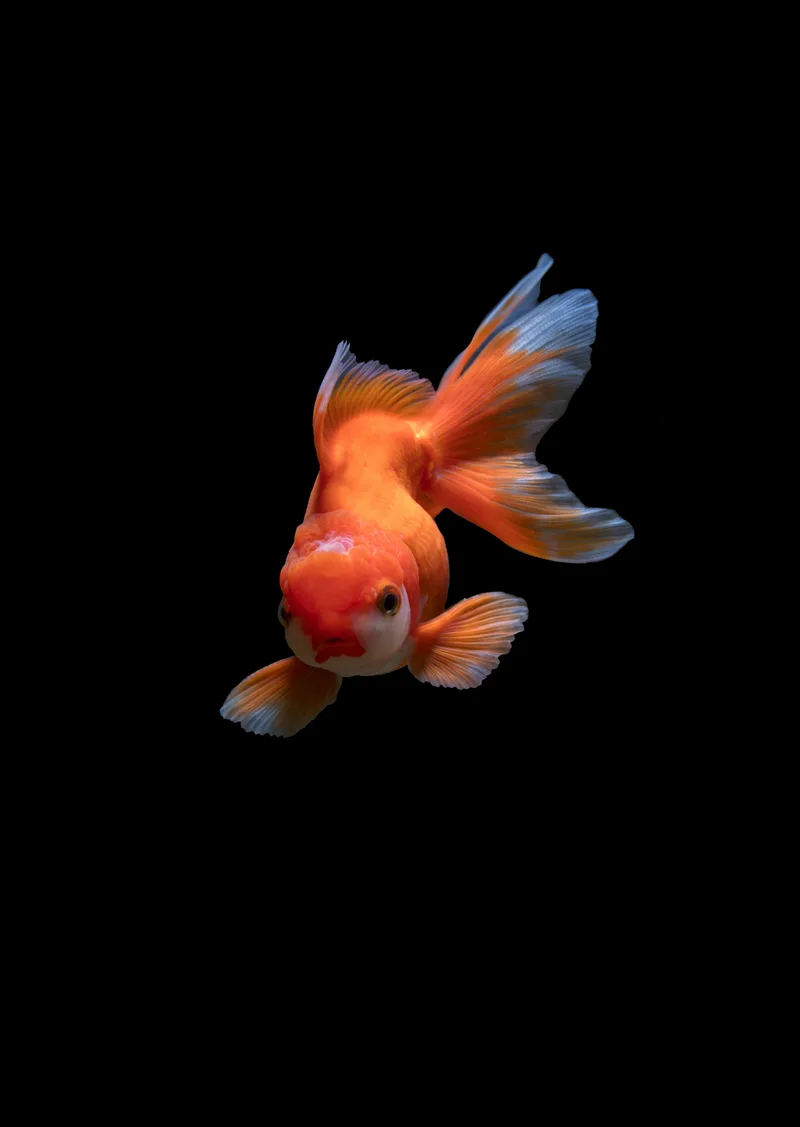
The best clean-up crew for a goldfish tank is a short list of cold-tolerant, goldfish-proof animals: nerite snails, mystery or apple snails, and either a hillstream or a dojo loach. But the single most effective cleaner in the tank isn't an animal you buy at all. It's the goldfish you already have, sifting sand all day, plus you doing the water changes. That changes which animals are worth adding, because the popular picks fail for two reasons that are easy to miss: the shrimp gets eaten, and the otocinclus needs a heater your goldfish can't have.
First, the honest part: no crew replaces your water changes
A clean-up crew eats leftover food and grazes some algae. That's the whole job. It does not process the ammonia your goldfish produces, and goldfish produce a lot of it.
Goldfish (Carassius auratus) have one of the heaviest bioloads in the freshwater hobby. They're big, they eat constantly, and they don't have a stomach to slow digestion, so food goes in one end and comes out the other almost as fast as they can take it in. A single fancy goldfish puts out more waste than a half-dozen small tropical fish combined. No snail or loach makes a dent in that. The ammonia and nitrate still build, and the only thing that removes them is a water change.
So treat a crew as a helper at the margins, not a substitute for maintenance. The trap here is stocking logic: every animal you add is another mouth eating and another body producing waste, which means a crew can quietly make your water quality worse if it pushes an already-loaded tank past what your filter and your weekly water change can handle. Add a crew because you want less leftover food rotting in the substrate and cleaner glass, not because you're hoping to skip a Sunday.
The cleaner nobody sells you: a goldfish on sand
Before you add a single animal, look at what your goldfish already does. Goldfish are foragers. In the wild they spend their day rooting through soft sediment for insect larvae, plant matter, and anything edible, and a tank goldfish never loses that habit. Give one a bed of fine sand and it will spend hours sifting mouthfuls, picking out food, and spitting the grit back out.
That constant sifting is the most underrated cleanup in the tank. It keeps the top layer of substrate turned over so leftover food and waste can't sit and rot in dead pockets, which is exactly where ammonia spikes and bad smells start. A goldfish working a sand bed does more day-to-day cleaning than most of the animals people buy specifically to clean.
This is why the move from bare-bottom or gravel to fine sand matters so much. Gravel traps uneaten food and waste down between the stones where your goldfish can't reach it and it just decomposes; sand keeps everything on top where the fish constantly disturbs it and your siphon can lift it out. If you're deciding what to put on the floor of the tank, fine sand doubles as your substrate and your best cleanup tool.
Nerite snails
If you want one animal on the glass earning its keep, it's the nerite snail. It's the standout algae eater for a coldwater goldfish tank. Nerites graze film algae and the green spots off glass and decor steadily, they tolerate the cool 65 to 72°F (18 to 22°C) a goldfish lives in, and they have one quality almost nothing else on the algae-eater shelf shares: they won't breed and bury your tank in babies. Nerites lay eggs that only hatch in brackish or saltwater, so in a freshwater tank you get the grazing without the population explosion you'd get from common pond snails.
The one real risk is the goldfish itself. A curious goldfish will nudge, flip, and pester a small nerite, and a snail knocked onto its back in the open can struggle to right itself. The fix is simple. Buy larger nerites, ones too big for the goldfish to treat as a toy, and add them once the goldfish are settled into the tank rather than dropping them in alongside brand-new, restless fish. A full-grown nerite stuck firmly to the glass is of no interest to a goldfish.
Mystery and apple snails
Where nerites work the glass, mystery and apple snails work the floor. These are the larger snails that handle goldfish temperatures comfortably and spend their time mopping up leftover pellets, decaying plant matter, and some algae. Their size is the entire point. A full-grown mystery snail is a golf-ball-sized animal with a hard shell, far too big for a goldfish to swallow, which is exactly why it survives where small pond snails get picked off and eaten one by one.
There's a catch worth knowing. A mystery snail eats, so a mystery snail also produces waste, which means it adds to the bioload rather than reducing it. It's truly useful at clearing leftover food before that food breaks down and fouls the water, and that's real value in a goldfish tank where overfeeding is common. Just don't picture it as a net reduction in waste. It's better at tidying up scraps than at making the overall water cleaner.
Did you know? Mystery snails breathe air. They have both a gill and a lung-like siphon, and you'll see one stretch a long tube up to the surface for a gulp before sinking back down. It's an inheritance from ancestors that lived in warm, stagnant, low-oxygen water where pulling oxygen from the water alone wasn't enough.
Hillstream and dojo loaches
Two loaches genuinely match goldfish conditions, and they happen to be the two most people overlook.
The hillstream loach is a flattened, almost stingray-shaped fish built for cold, fast, oxygen-rich mountain streams. That heritage makes it a natural fit for an unheated goldfish tank, where it spends its day grazing algae off rocks, glass, and the substrate. It's the rare algae specialist that actually wants the cool water a goldfish needs. The one demand is flow and oxygen: hillstream loaches come from rushing water, so they do best in a larger tank with strong filtration and surface movement, not a still, low-flow setup.
The dojo loach, also called the weather loach, is a long, eel-shaped coldwater fish that works the bottom right alongside your goldfish. It burrows and sifts through sand for food in the same way a goldfish does, so the two share the floor without competing in a way that causes trouble, and a full-grown dojo reaches a foot long, well past anything a goldfish would bother. Dojos are coldwater natives that actively prefer the cooler end of the goldfish range. They do need room: a foot-long fish needs a tank measured in tens of gallons, not a 10-gallon setup. Before you commit to either loach, confirm your unheated tank actually sits in the coldwater range these fish need, since both are chosen specifically for tolerating cool water a tropical fish couldn't.
Why shrimp, otocinclus, and corydoras usually fail
Four animals get suggested for nearly any tank that needs cleaning: amano shrimp, cherry shrimp, otocinclus, and corydoras. All four are the wrong call for a goldfish tank, and they fail for one of two reasons.
The first failure mode is getting eaten. A goldfish is an opportunistic omnivore that treats anything small enough to fit in its mouth as food, and that includes shrimp. Amano and cherry shrimp get hunted down and picked off, and you'll often lose them overnight without ever seeing it happen. Baby snails and tiny bottom fish meet the same end. If an animal is small and soft, a goldfish will eventually eat it.
The second failure mode is temperature. Otocinclus and corydoras are tropical fish. They want water in the high 70s°F, which means a heater, and a goldfish is a coldwater fish that should never be kept that warm for long. You cannot make both species comfortable in the same tank: the temperature that suits the cleaner stresses the goldfish, and the temperature that suits the goldfish leaves the cleaner sluggish and short-lived. It's not a compatibility you can split the difference on.
Once you see those two filters, you can screen any future suggestion yourself. Ask two questions of any animal someone recommends for a goldfish tank: is it too big to be eaten, and does it thrive in cool water without a heater? Here's how the common picks sort out.
| Animal | Coldwater-safe? | Goldfish-proof? | Verdict |
|---|---|---|---|
| Nerite snail | Yes | Yes (choose larger ones) | Best algae grazer for glass and decor |
| Mystery / apple snail | Yes | Yes (too big to eat) | Good for leftover food; adds some bioload |
| Hillstream loach | Yes | Yes | Great algae eater; needs flow and oxygen |
| Dojo (weather) loach | Yes | Yes | Sifts the substrate; needs a large tank |
| Amano shrimp | Yes | No (gets eaten) | Skip in a goldfish tank |
| Otocinclus | No (needs a heater) | Marginal | Skip; tropical, wrong temperature |
| Corydoras | No (needs a heater) | Marginal | Skip; tropical, wrong temperature |
How to choose a crew for your goldfish setup
Pick a crew by running every candidate through three checks, in order.
First, match it to your actual water temperature. A goldfish tank runs cool and unheated, somewhere around 65 to 72°F, so the animal has to thrive there without a heater. This alone rules out most of the popular tropical cleaners.
Second, make sure it's too big to be eaten. A goldfish will eat anything small and soft, so size is your protection. Larger nerites, full-grown mystery snails, and adult loaches all clear this bar; shrimp and tiny fish don't.
Third, add it only once the tank is cycled and the goldfish are settled. A new crew dropped into an uncycled tank or alongside skittish, newly added goldfish is more likely to get pestered, stressed, or lost. Let the tank stabilize first, then introduce the cleaner.
Run those three checks and you'll land on the same short list every time: a couple of cold-tolerant snails and maybe a loach. But hold onto the thing you came in not expecting. You walked in looking for an animal to add, and the most effective cleaner in the tank turns out to be the goldfish you already have, foraging through sand, with you handling the water changes. The snails and the loach are helpers at the edges. They are not the answer to a tank that's stocked too heavily or maintained too lightly, and nothing you add ever will be.