Can you keep java fern with goldfish?
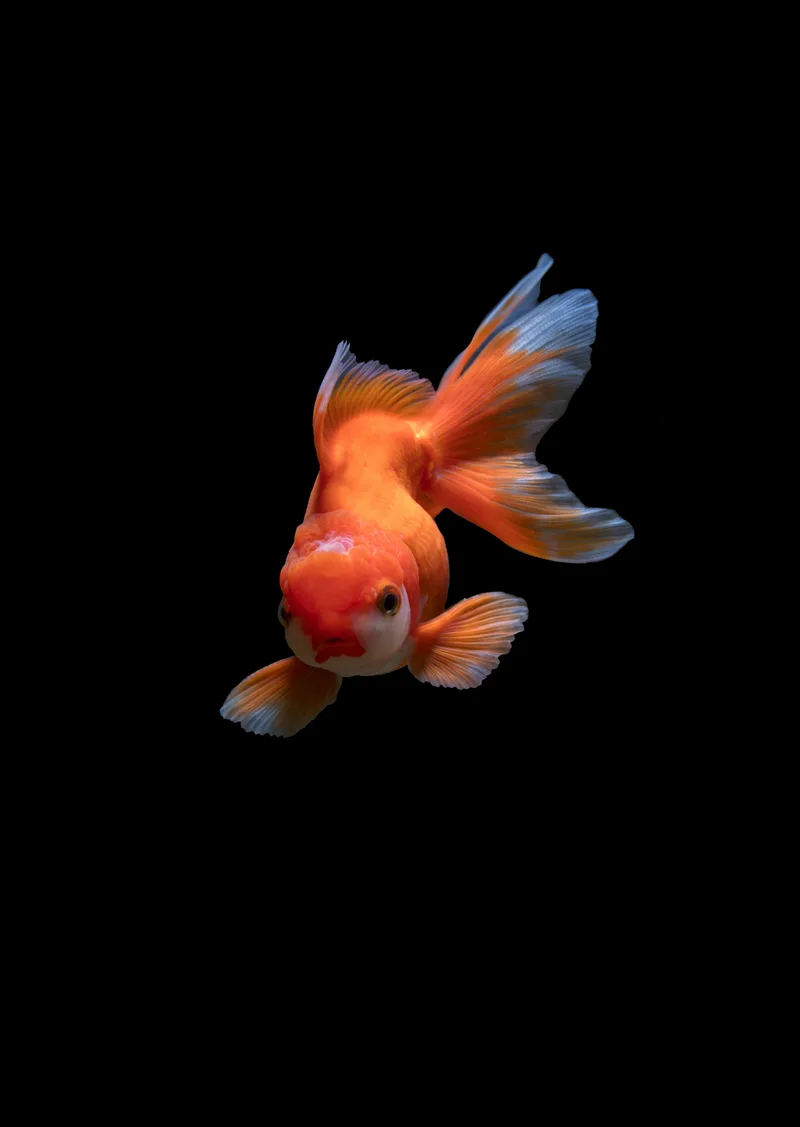
Yes. Java fern (Microsorum pteropus) is one of the few aquarium plants a goldfish will reliably leave alone, because the leaves are too leathery and faintly bitter to register as food. Where goldfish keepers lose the plant isn't to the mouth, it's to the body. A goldfish that ignores java fern as a meal will still bump it, nose under it, and have it drifting around the tank within a few days. The difference between a java fern that lasts a month and one that lasts ten years is almost entirely about how it's anchored.
How do you actually plant it so the goldfish don't dig it up?
The rule that matters more than anything else: the rhizome stays on top of the substrate, never buried. The rhizome is the thick green-brown horizontal stem the roots and leaves grow from. Bury it under gravel and it rots within weeks, whether or not a goldfish ever touches it. Sit it on top of a piece of hardscape and it will throw new roots that wrap around the rock for grip.
Attach it. Don't trust it to stay put on its own. Goldfish constantly redecorate, nosing through gravel for food they remember dropping there and shoving anything light enough to move. A free-floating fern is just driftwood to them.
Attachment options, ranked by how well they hold up to a goldfish:
- Super glue gel to a heavy rock. A pea-sized dot of cyanoacrylate gel on the underside of the rhizome, pressed onto clean dry stone for thirty seconds. Cures on contact with water, holds for years, and the gel is aquarium-safe once set. The most goldfish-proof option there is.
- Fishing line to driftwood. Wrap clear monofilament around the rhizome and the wood in a few tight figure-eights. Ugly for the first month while the plant takes hold, invisible after that as the roots grow over it.
- Suction-cup planters. Hold under most conditions but slip when goldfish bump them, and they slip more as the suction ages. Fine for a quiet tank, not the right call here.
- Weighted ceramic planters. The weight survives a goldfish, but the plant sitting loose inside still gets pulled out leaf-first. Better than nothing if you don't have hardscape.
- Free-floating. Lasts about a day.
Heavy lava rock or a chunk of mopani driftwood are the easiest pieces to glue to. Both have rough surfaces the glue grips well, and both are heavy enough that no goldfish is moving them.
Why don't goldfish eat java fern when they eat everything else?
A goldfish is built to graze on tender vegetation. They have pharyngeal teeth at the back of the throat, no teeth at the front, and a gut tuned to long, slow processing of soft plant matter. Soft-leaved plants like anacharis, cabomba, and amazon sword get reduced to stems within a week or two in a goldfish tank because they read as food and tear easily under that grazing motion.
Java fern fails both tests. The leaves are reinforced with fibrous tissue that makes them too tough to tear with a soft-mouthed bite, and they carry bitter-tasting compounds that taste wrong to most herbivorous fish on the first nibble. A goldfish will sometimes mouth a leaf out of curiosity, decide it isn't food, and never come back to it.
That's the why behind the rule. Java fern doesn't survive a goldfish tank because the goldfish is being polite. It survives because, to a goldfish, it isn't really food.
Did you know? Java fern is an epiphyte. In the wild it grows clinging to rocks and tree roots in streams across Southeast Asia, never rooted in the streambed. The rhizome-on-hardscape advice isn't an aquarium quirk. It's how the plant actually lives.
Does the advice change for fancy vs. common goldfish?
A little, and not in the way most people expect. The question isn't whether one variety is more likely to eat the plant. None of them do. The difference is mechanical.
Common, comet, and shubunkin goldfish are larger, faster, and more active. A six-inch comet swimming at speed catches leaves with a flicked tail or a body-bump, and the damage shows up as torn edges and missing leaf-tips. The plant isn't being eaten. It's being hit.
Fancy varieties like orandas, ryukins, and ranchus are slower and clumsier. Less velocity behind the bump, but they spend more time picking at the substrate around hardscape, which means more chance to dislodge an attachment that isn't solid. Less mechanical tearing, slightly more uprooting pressure.
Either way the answer is the same: glue it down hard and pick leaves that are already mature, because tougher older leaves take a bump better than young ones. Any goldfish, regardless of variety, may peck at leaves when they're bored or under-fed. That's a sign the fish needs more variety in its diet or more enrichment in its tank, not a sign the plant is unsafe.
Is java fern actually the best plant for a goldfish tank?
The shortlist of plants a goldfish reliably leaves alone is small, and java fern is the easiest pick on it.
| Plant | Goldfish-safe? | Coldwater-tolerant? | Attaches to hardscape? | Notes |
|---|---|---|---|---|
| Java fern | Yes | Yes (60 to 80°F) | Yes (rhizome) | Tough leaves, bitter taste, grows slowly without CO2 |
| Anubias | Yes | Yes (60 to 82°F) | Yes (rhizome) | Same story as java fern, slightly stiffer leaves, even slower growth |
| Java moss | Mostly | Yes | Loosely | Goldfish ignore the leaves but constantly tear strands free |
| Marimo moss ball | Yes | Yes | No (free-rolling) | Untouched, but contributes almost nothing biologically |
| Hornwort | Mostly | Yes | No (floats) | Goldfish shred it from below; floating reduces the damage |
| Amazon sword | No | Marginal | No (roots in substrate) | Soft leaves, gets stripped within weeks |
Java fern wins on a few specific things. It handles cool water (anywhere from 60 to 80°F covers every goldfish setup), it doesn't need a CO2 system, it doesn't need bright lighting, and it survives the rough handling of an attachment that goldfish are constantly testing. Anubias is the only other plant that ticks all four boxes, and it grows even more slowly than java fern, which makes recovery from any damage even harder.
If you want a single plant that's going to look established in a goldfish tank within a few months, java fern is the one.
What other plants can you trust in a goldfish tank?
The honest shortlist is small. Anubias, java moss, marimo moss balls, and hornwort round out the same basic story as java fern: too tough, too bitter, or too far out of reach to register as food. A full pass through the best aquarium plants for a goldfish tank covers each one with the same kind of attachment and water-parameter detail.
Behind the plant question sits a behavior question: goldfish destroy most aquarium plants through a mix of grazing on soft leaves, bumping at stems, and constantly digging in the substrate. Once that's the picture in your head, the short list of safe plants stops feeling like a coincidence. They all happen to be too leathery to chew, too bitter to bother with, or anchored somewhere the fish can't easily reach.
Java fern isn't really a tank plant being asked to put up with a goldfish. In its native streams across Southeast Asia it spends its whole life clinging to rocks and tree roots, never rooted in the streambed. Tied to a piece of driftwood, it isn't a finicky aquarium specimen at all. It's a fern doing the thing it was built to do, in a tank where the goldfish happens to find it inedible.