What can goldfish eat every day?
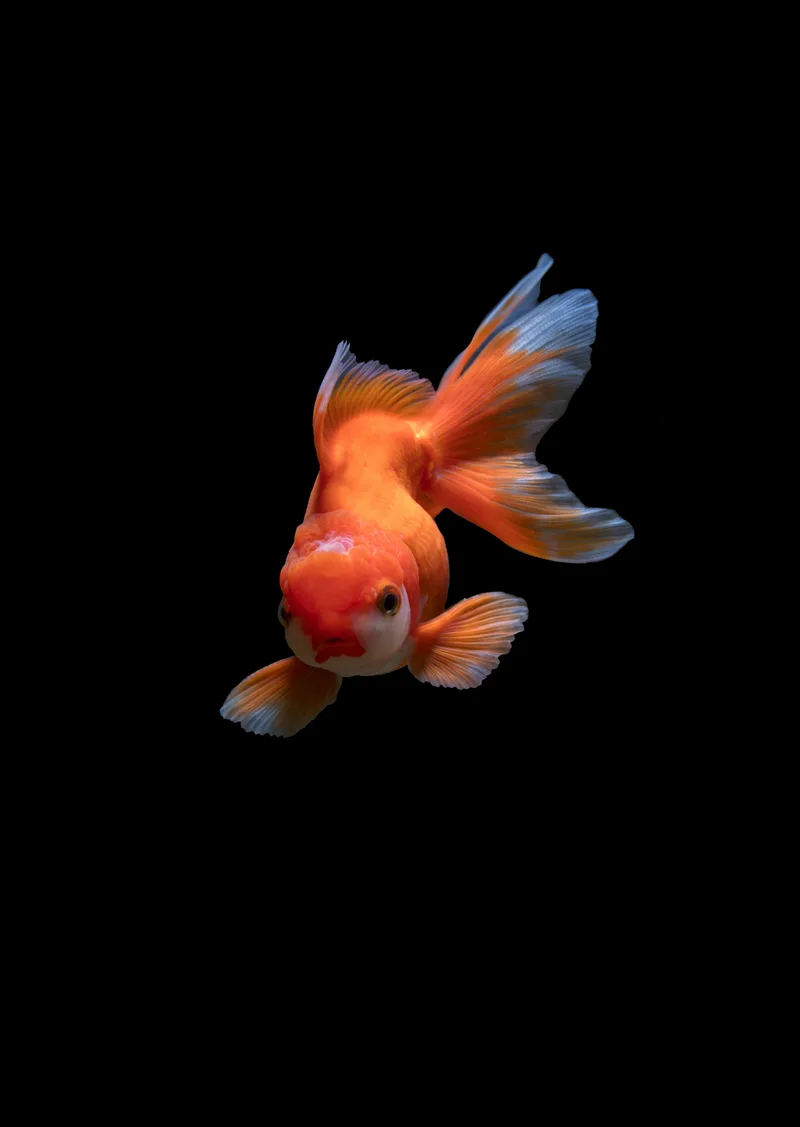
Every day, a goldfish does best on a good goldfish-specific staple food, either sinking pellets or a gel food, with blanched vegetables a few times a week. A goldfish has no stomach at all, so the big daily pinch of flake, the bit of bread, the regular treat of bloodworms that most owners reach for are the exact foods it handles worst. What it's built for is something closer to nibbling all day, and that one fact decides almost everything about what belongs in the tank.
So What Should the Everyday Meal Actually Be?
The base of the daily diet is a quality food made for goldfish. Sinking pellets or a gel food are the two good options, and either one can be the thing you feed every day without worrying. They are balanced for an omnivore that leans toward plants, and sinking food keeps a goldfish (Carassius auratus) feeding with its head down where it naturally grazes, instead of gulping at the surface.
Vegetables come next, a few times a week rather than daily. Blanch them first so they soften and sink: a quick boil for a minute or two, then cool. Peas with the skins slipped off, slices of zucchini, cucumber, and a bit of leafy green are all easy and welcome. They add fiber and bulk that a pellet-only diet runs a little short on.
Then there are the treats, and the word matters. Bloodworms and brine shrimp are rich, and a goldfish loves them, but they sit at the occasional end of the range, not the everyday one.
- Daily staple: quality goldfish pellets or gel food
- A few times a week: blanched peas (skins off)
- A few times a week: zucchini or cucumber slices
- A few times a week: leafy greens like spinach or lettuce
- Occasional treat: bloodworms or brine shrimp
- Occasional treat: a small piece of fruit, sparingly
The first item is the meal. Everything under it is variety. A goldfish fed pellets daily and vegetables most weeks is already eating well.
What Shouldn't Become a Daily Habit?
A few foods are fine once in a while but quietly cause trouble when they show up every day. Bread and other starchy human food top the list. Goldfish can't do much with all that starch, and it swells in the water and in the gut, so it is best kept out of the tank rather than offered as a regular snack.
A daily dose of high-protein treats causes the same kind of slow problem. Bloodworms and brine shrimp are rich, and a goldfish that grazes on plants all day handles a steady protein load poorly. Once or twice a week is plenty. Make them the everyday meal and you are feeding against the fish's own digestion.
Floating flakes are the third habit worth breaking. When a goldfish gulps flake at the surface, it swallows air along with the food, and in fancy varieties with their rounded, compact bodies that swallowed air is a common cause of buoyancy trouble, the tilting and bobbing that worries owners most. Sinking food sidesteps the whole problem. A handful of foods goldfish should never eat at all, like onions, citrus, and anything heavily salted or seasoned, sit in a different category from the everyday-versus-occasional question.
None of this means a goldfish is fragile. It means the everyday meal and the occasional treat are two different jobs, and most feeding trouble comes from letting a treat quietly become the staple.
How Much Should You Feed Each Day?
Feed only what your goldfish finishes in about two minutes, once or twice a day for an adult. That is the whole rule. You don't need to weigh anything; you watch. If food is still drifting down or sitting on the substrate after a couple of minutes, you gave too much, and next time you give a little less.
Young, growing goldfish are the exception. They burn through food fast and do better with smaller amounts offered more often, three or even four times a day, since they are building body the way a kitten or a puppy does. Knowing how feeding frequency shifts as a fish changes with age and the seasons turns that rough rule into something you can dial in over a fish's life.
The reason to err on the light side is water quality. Every bit of food a goldfish doesn't eat breaks down in the tank, and goldfish already produce a heavy waste load for their size. Uneaten food becomes ammonia, ammonia stresses the fish, and a tank that looks overfed today is a water-quality problem next week. A slightly hungry goldfish is a healthy one. A constantly fed one is usually swimming in worse water.
Why Do Goldfish Do Best Grazing on Small Meals?
A goldfish has no true stomach. Food goes from the mouth more or less straight into a long, looping intestine, and that one fact shapes everything about how it should be fed. There is no holding tank where a big meal can sit and be processed in stages. Whatever comes in moves steadily through and has to be dealt with on the way.
That long gut is the build of a grazer. In the slow waters its wild ancestors come from, a goldfish spends the day picking at plant matter, algae, and small bits of food, a little at a time, more or less constantly. The digestive system matches that habit: lots of plant material moving through at an even pace, never one large protein-heavy load all at once.
Did you know? A goldfish has no stomach at all. Food passes almost straight from its mouth into a long intestine, which is exactly why it's built to nibble small amounts through the day rather than handle one big meal.
This is why the practical advice lines up the way it does. A plant-leaning staple suits a gut built for plants. Small, frequent meals suit a system with nowhere to store a big one. A daily protein dump or a single large feeding asks the fish to do something it simply isn't built for. Feed a goldfish a little, often, and plant-first, and you are working with the animal in front of you instead of against it, treating the everyday meal as steady grazing rather than one daily ritual at the surface.