Can I use tap water in a goldfish tank?
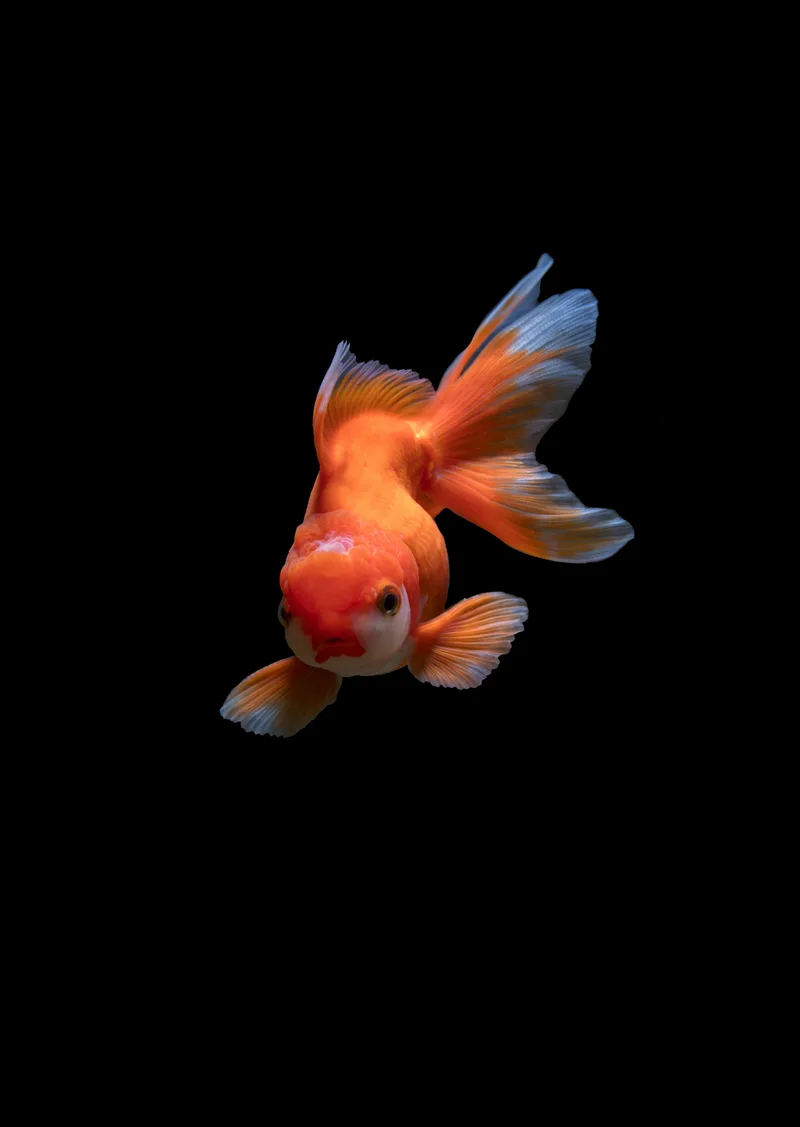
Yes, tap water is fine for goldfish, as long as you add a few drops of water conditioner (a dechlorinator) before it goes in the tank. The old trick of letting the bucket sit out overnight used to work, but most water utilities have switched from chlorine to chloramine, and chloramine doesn't evaporate. The chemistry of the tap changed; the folk wisdom didn't catch up. What conditioner is really protecting are the gills, where even trace chlorine does damage on contact, and that's the part no amount of waiting fixes.
How do I make tap water safe for goldfish?
A water conditioner is the whole answer. You can find one at any pet store for a few dollars, and a single bottle lasts months. The process takes about a minute:
- Fill a clean bucket with tap water. A dedicated bucket you only use for the tank is ideal, since soap residue is harder on fish than most people expect.
- Add the water conditioner to the bucket following the dose on the label. Most conditioners work out to a few drops per gallon.
- Give it a minute to work. Some brands say "instant," but a short wait doesn't hurt.
- Pour the treated water into the tank.
Do this every time you add water, not just when you first set up the tank. Every water change, every top-off. Untreated tap water is fine for you to drink, but your goldfish's gills are in direct contact with it, and that changes the math.
Goldfish tolerate a wider range of water parameters than most tropical fish, so once you're treating for chlorine, your tap water is probably already a good fit.
What's in tap water that can hurt goldfish?
Chlorine and chloramine. Water utilities add one or both to keep the supply safe for humans, and in the concentrations they use, it's harmless to us. Fish are a different story.
Goldfish breathe by pulling water over their gills, where a thin layer of tissue absorbs oxygen directly from the water. Chlorine and chloramine damage that tissue on contact. Even at the low concentrations in tap water, the exposure is constant: every molecule of water passing over the gills carries the chemical with it. A goldfish can't hold its breath and wait it out.
The damage shows up as irritated, reddened gills and rapid gill movement. In small doses it's stressful. In a full tank of untreated tap water, it can be fatal within hours.
A water conditioner binds to the chlorine (or breaks apart the chloramine) and renders it harmless, usually within seconds. Done.
Did you know? Chloramine is chlorine bonded to ammonia. When a water conditioner breaks that bond, it releases a tiny amount of ammonia into the water. A cycled filter handles this easily, but it's one more reason the nitrogen cycle matters even during routine water changes.
Tap water can also carry trace amounts of heavy metals like copper and lead, depending on your local pipes. Most water conditioners neutralize these too. If your home has very old plumbing, running the tap for 30 seconds before filling your bucket flushes standing water out of the pipes.
Does my tap water's pH and hardness work for goldfish?
Almost certainly yes. Goldfish do well in a pH range of 7.0 to 8.4, and they prefer moderate to hard water. That describes most municipal tap water in the United States.
If you've tested your tap water and it falls somewhere in that range, you're set. You don't need to add chemicals to adjust it, and you shouldn't. Chasing a specific pH number with buffers or pH-down products causes swings that are far more harmful than a stable pH that's slightly outside the "ideal" range. Goldfish are tolerant, adaptable fish. A steady 7.8 is better for them than a pH that bounces between 7.0 and 7.4 because you're dosing chemicals.
Goldfish lean toward the alkaline side and handle hard water without trouble, which is good news since most tap water sits right in that zone.
The only situation where you might need to pay attention is well water, which can occasionally be very soft or very acidic. If you're on well water and your fish seem off, a test kit will tell you where you stand.
Can I just let the water sit out instead?
This one comes up a lot, and it used to be solid advice. If your water utility uses chlorine, letting a bucket of water sit uncovered for 24 hours does work. Chlorine is a dissolved gas, and it off-gasses into the air on its own.
The problem is that most municipal water systems in the US have switched to chloramine, and chloramine doesn't evaporate. It's a more stable compound (chlorine bonded to ammonia), and it stays dissolved in the water whether you let it sit for a day or a week. Leaving the bucket out won't help.
Since most people don't know whether their utility uses chlorine or chloramine (and some use both, or switch seasonally), a water conditioner is the simpler default. It handles both, it costs pennies per water change, and it works in seconds instead of hours.
Bottled water works in a pinch, but for regular water changes, tap water with conditioner is cheaper and more practical.
The "let it sit" method is a leftover from when chlorine was the only disinfectant in the water supply. Conditioner is cheaper, faster, and covers both chemicals. With goldfish, the simpler answer is usually the right one.