What is toxic to goldfish?
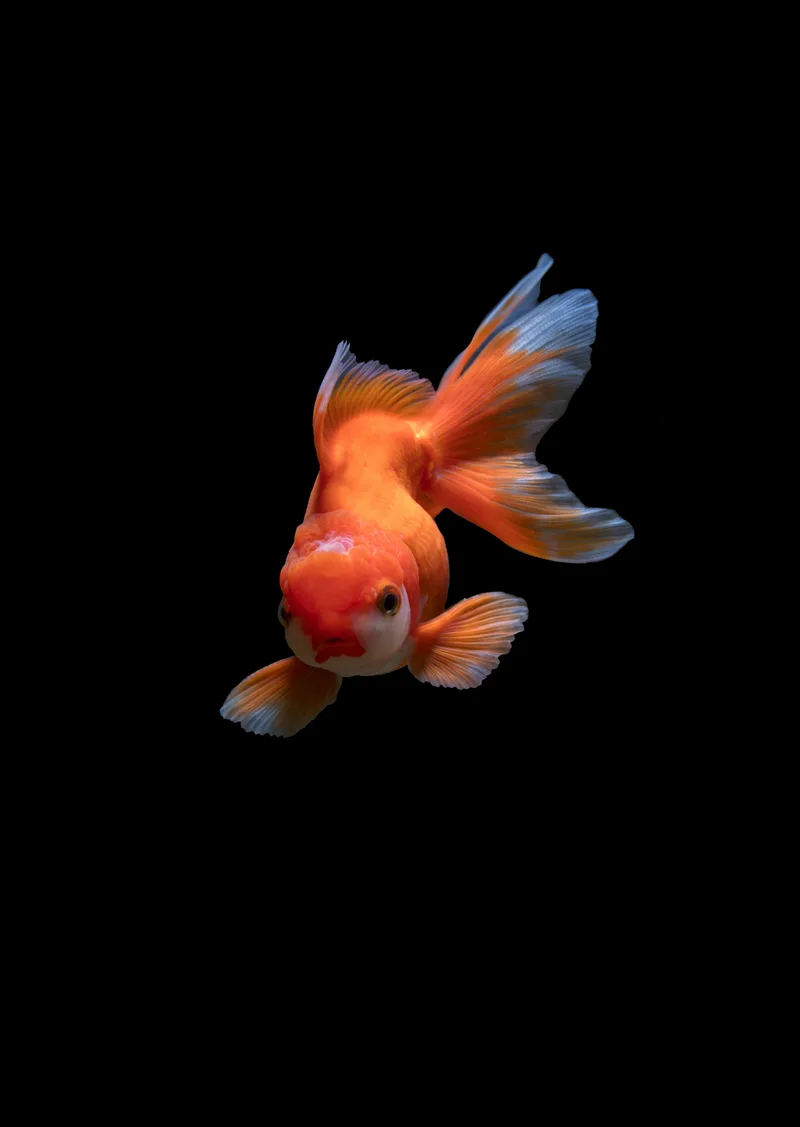
The most dangerous thing to a goldfish in a home tank is something nobody adds on purpose: the ammonia the fish makes in its own water, with the chlorine in untreated tap water close behind. The hazard that actually kills the most fish is invisible and odorless, and it builds in water that looks perfectly clean, which is why so many goldfish die in tanks their owners were sure were fine. The stray plant and the occasional snack people fixate on sit near the bottom of the real list.
Ammonia and Nitrite, the Poison the Fish Makes Itself
The single most common thing that poisons goldfish comes from the goldfish. They eat a lot, they waste a lot, and every bit of waste plus every uneaten flake breaks down into ammonia in the water. Ammonia is poison to fish at any level, which is why the target is always zero. The nitrite that follows it during the nitrogen cycle is nearly as toxic.
Goldfish are heavy waste producers, much heavier than their size suggests, so this builds up fast in a small or new tank. The catch is that you can't see it, smell it, or taste it. The water can look crystal clear and still be poisoning the fish, which is exactly why this kills more goldfish than every chemical on this list combined. It usually happens in a tank that was never cycled, meaning the colony of beneficial bacteria that converts ammonia into safer compounds hasn't established yet, or in a tank that's simply too small for how much the fish produces.
What you can see are the symptoms, and they show up in the fish well before a test kit is in the house:
- Gasping at the surface or hanging near the top
- Red or inflamed-looking gills
- Fins clamped flat against the body
- Lethargy, or sitting on the bottom and not moving much
- Red streaks running through the fins
If you see these, a large water change with treated water is the fastest first response while you sort out the underlying cause.
Chlorine and Chloramine in Tap Water
Chlorine and chloramine are added to municipal tap water to make it safe for you to drink, and they do the opposite for a fish. Both burn the delicate gill tissue and strip the slime coat the fish relies on as its first line of defense. This is the toxin most likely to kill fast, because the dose arrives all at once the moment you pour the water in.
A water change done with straight tap water is one of the classic ways people accidentally poison a tank. Fixing it is simple and instant: a dechlorinator, sold as water conditioner in any fish store, neutralizes both chlorine and chloramine the second it hits the water. A capful before the new water goes in, every time, and the problem disappears.
One piece of old advice still floats around and it's worth ignoring: letting tap water sit out overnight does not make it safe. Chlorine alone will slowly gas off, but most water systems now use chloramine, which is far more stable and stays in the water for days. If you want to be sure your water is safe to use straight from the faucet, the full answer on treating and using tap water in a goldfish tank comes down to the conditioner step.
Household Sprays, Fumes, and Smoke
Plenty of things never touch the water directly but still end up in it through the surface. An open tank breathes the air in the room, and an air pump actively drives that room air down into the water through the airstone. Anything you spray or burn nearby can be carried straight to the fish.
The usual culprits are aerosol cleaners, bug spray and fly spray, paint and varnish fumes, scented candles and reed diffusers, and the nicotine in cigarette smoke. A tank running an air pump is especially exposed, because it isn't just sitting next to the contaminated air, it's pumping it in.
The fix takes ten seconds. Before you spray anything in the room, cover the tank and switch off the air pump. Turn it back on once the air has cleared. For paint or fumes that linger, move the spraying to another room entirely if you can.
Copper, Metals, and the Wrong Medications
This category is the things people add to the tank meaning to help, that backfire. Copper-based medications are the common one. They're effective against parasites, but the safe dose and the toxic dose sit close together, and a small overdose poisons the fish you were trying to treat. Metal decorations or objects that weren't made for aquariums can leach copper, zinc, or lead into the water over time.
The honest rule from the hobby is a good one to keep: apart from aquarium salt and Epsom salt, treat anything you put in the tank as potentially poisonous until you've confirmed the right dose for your tank's volume. That includes every disease treatment on the shelf.
The instinct to dump in medication at the first sign of something off is where a lot of fish get harmed. Most early symptoms point back to water quality, not disease, so the first move is almost always to test the water and do a water change, not to medicate. When a goldfish really is sick or going downhill fast, knowing the fast-acting causes that kill goldfish in a tank helps you treat the actual problem instead of guessing.
Human Foods That Harm Them
A goldfish will eat almost anything you drop in, which is the whole problem. They have no instinct for what's bad for them, so the line between treat and toxin is one you have to hold for them.
Bread and other starchy foods are a frequent mistake. They swell in the gut as they absorb water, and a goldfish's digestive system isn't built for that load, which leads to bloating and swim bladder trouble that has the fish floating sideways or sinking. Oily, fatty, and salty human foods are worse. Chips, processed meats, anything buttered or seasoned: the fat strains the liver and the leftovers foul the water as they break down.
The line is simpler than it looks. A small piece of blanched vegetable, a pea or a bit of zucchini, won't hurt as an occasional treat. Salted, oily, or heavily processed human food is a never. Knowing which foods to keep away from a goldfish and which ones are fine in small amounts saves you from guessing at feeding time.
What People Worry About That Usually Isn't Toxic
A lot of the worry around toxic goldfish tanks lands on the wrong targets. Aquarium plants are generally not poisonous to goldfish. That includes pothos roots trailing into the water from a plant perched on the rim, a setup people constantly worry about. The goldfish is far more likely to shred or eat the plant than to be harmed by it. A plant disappearing is a goldfish doing goldfish things, not a poisoning.
Aquarium salt and Epsom salt, used at the right dose, are tools rather than toxins. They show up in plenty of treatment routines for a reason. Used correctly they help, not harm.
Did you know? A goldfish doesn't have a stomach in the way you do. Food passes through a simple, more or less straight gut, which is why they graze constantly and why a single oversized or starchy meal backs things up so easily.
The point of naming the harmless things is to move your worry off them and back onto the one place it belongs, which is the water. Knowing which plants a goldfish will and won't leave alone is more about which greenery survives the tank than about anything dangerous to the fish.
Keeping a Goldfish Tank Non-Toxic
Run back down the list and a pattern shows up: almost everything that poisons a goldfish is something you control. A cycled, generously sized, well-filtered tank with treated water takes the top two killers off the table on its own, since that's what keeps ammonia at zero and chlorine out of the water. Covering the tank before you spray and resisting the urge to reach for additives handles most of what's left.
So "toxic to goldfish" turns out to be mostly a water-management question wearing a poison costume. The deadliest thing in the tank is the waste the fish makes in water you forgot to change or never cycled, not some rare chemical from under the sink. The best antidote isn't a cabinet of treatments. It's a tank that's the right size, properly cycled, and topped up with conditioned water.