How do you heal a sick goldfish?
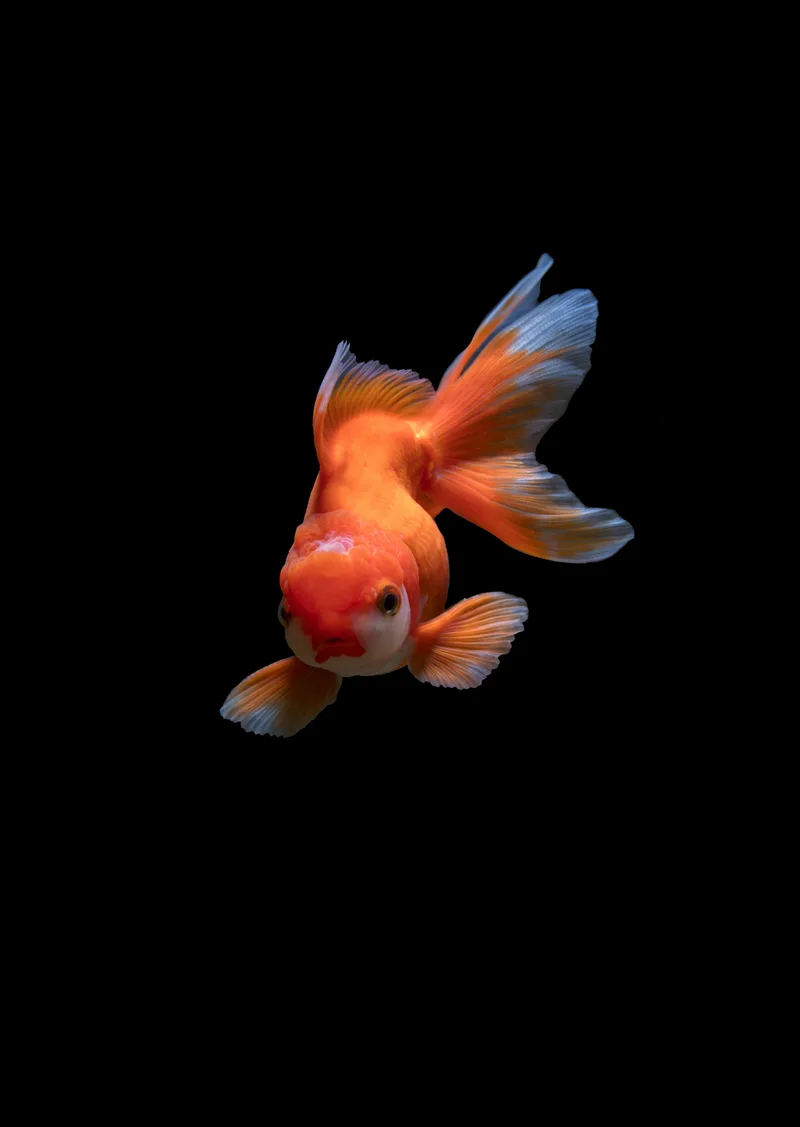
Most sick goldfish are healed by fixing their water, not by reaching for medication. The goldfish gasping at the surface or slumped on the bottom usually isn't diseased at all. It is being poisoned by its own water, and a dose of medicine dropped into that water often makes things worse instead of better. So the first move is to test the water and change it, not to buy a treatment. Get the water right, then read the symptoms, and most cases sort themselves out from there.
What should you do first for a sick goldfish?
Start with the water, not the diagnosis. The fastest way to help a sick goldfish is to dilute whatever is stressing it, and the most common stressor is the water itself. A large water change buys the fish time and very often fixes the problem outright, before you have figured out what the problem even was.
Do these five things, in order:
- Test the water for ammonia, nitrite, and nitrate. A liquid test kit gives you real numbers. Ammonia and nitrite should both read zero. Anything above zero is actively burning the fish's gills.
- Do a large water change, around 50%. Use dechlorinated water that matches the tank's temperature, so you are not trading a toxin problem for a temperature shock. This is the single most useful thing you can do right now.
- Stop feeding for a day or two. A sick or stressed goldfish is not eating much anyway, and uneaten food rots into more ammonia. A short fast costs the fish nothing and keeps waste from climbing.
- Add aeration if the fish is gasping. An air stone or a filter outlet angled to break the surface raises the oxygen in the water. Gasping at the surface is the most common sign that the fish is starved for oxygen, often because warm or fouled water holds less of it.
- Isolate the fish only if you need to. Move it to a separate hospital tank just for two reasons: you plan to add medication that you do not want in the main tank, or the fish is being bullied by tank mates. A sick fish does not automatically need to be quarantined, and a bare, uncycled hospital tank can stress it further if it is not set up carefully.
Once the water is clean and the fish has oxygen, you have stabilized the situation. Now you can take a calmer look at what is actually wrong.
How do you tell what's actually wrong?
Read the symptom you can see, then work backward to the cause. A goldfish has a fairly small menu of ways to look unwell, and each one points toward a likely culprit. The trap is that bad water mimics nearly every disease, so the water test from the first step often settles the question before you reach for a treatment.
The big four causes are water quality, swim bladder trouble, parasites like ich, and bacterial infection. Here is how the common symptoms sort into them:
| What you see | Most likely cause | First move |
|---|---|---|
| Gasping at the surface | Ammonia poisoning or low oxygen | Water change plus aeration |
| Sitting on the bottom, fins clamped tight to the body | Water quality or general stress | Test the water, then change it |
| Floating, sinking, or struggling to stay level | Swim bladder trouble | Fast for a day or two, then feed a shelled cooked pea |
| White spots the size of salt grains | Ich (a parasite) | Aquarium salt and a slow temperature raise |
| Red streaks in the fins or body, or open ulcers | Bacterial infection | Pristine water, then an antibiotic |
| Cottony white tufts on the body or mouth | Fungus | Clean water plus salt or an antifungal |
| Rubbing or "flashing" against objects | Parasites or irritation | Check the water first, then treat for parasites |
Notice how many rows start with the water. Clamped fins, gasping, and listless bottom-sitting are the body's response to a toxic environment, and they clear up on their own once the water is right. Reserve the parasite and bacterial treatments for the symptoms that are genuinely specific: visible white spots, cottony tufts, red streaks, and open sores.
If you have narrowed it to a parasite or an infection and want to be sure of what you are looking at, it helps to know exactly what the different goldfish diseases look like before you commit to a treatment.
Why does cleaning the water heal most sick goldfish?
Because for a goldfish, the water is the medicine. Goldfish are unusually heavy waste producers, and the ammonia and nitrite that build up from that waste do two things at once: they burn the delicate gill tissue the fish breathes through, and they wear down its immune system. A goldfish living in low-grade ammonia is a fish whose defenses are already worn thin, which is exactly when the parasites and bacteria that are always present in a tank get a foothold.
That is why so much of what looks like disease is really environmental stress that opened a door. The ich or the fin rot is real, but the reason this particular fish caught it is usually the water. Fix the water and you do two jobs in one: you remove the thing that was directly harming the fish, and you let its immune system come back online to fight whatever got in.
Did you know? For its size, a goldfish produces more waste than almost any other common aquarium fish. That is a leftover from being bred out of hardy carp built for rich, food-heavy waters. It is the real reason an under-filtered or undersized tank turns toxic so quickly, and why goldfish care is mostly a filtration-and-water-change problem rather than a feeding one.
It also explains why medication alone so often fails. If you dose a tank for a bacterial infection but leave the ammonia climbing, you are treating the symptom while the cause keeps poisoning the fish, and many medications stress the fish or stall the filter on top of that. Get the water right and a fish caught early often perks up within a few days: the fins lift, the color returns, and it starts cruising the tank again instead of hanging in a corner.
When does a goldfish actually need medication?
For most cases, clean water plus aquarium salt is the whole treatment. Salt at a mild dose eases the fish's stress, helps it manage the salts in its own body, and handles a surprising amount on its own: general stress, mild fin damage, early ich, and minor fungus all respond to clean water and salt without a single bottle of medicine. A safe starting dose is about one tablespoon of aquarium salt per five gallons, dissolved in water before you add it, never poured straight onto the fish.
You only need to escalate when the symptom is specific and salt is not enough:
- Antibiotics for red streaks, open ulcers, or septicemia (a bacterial infection in the bloodstream). A medication like Kanaplex is a common choice here, and these cases really do need it because salt will not clear an established bacterial infection.
- A dedicated anti-parasite medication for ich that will not respond to salt and heat, or for flukes (tiny parasites on the skin and gills).
Whatever you reach for, the order does not change: you fix the water first, then medicate. Medication added to bad water rarely works, and it often adds one more stressor to a fish that is already struggling. If you want the full rundown of treatments beyond the first-line salt-and-water approach, there are specific steps for curing the different goldfish diseases once you have settled the water.
How do you stop it from happening again?
The fish that "gets sick" is almost always the one whose water quietly went wrong, so prevention is the same work as healing, just done before there is a problem. A goldfish in a tank that is big enough, filtered hard enough, and changed often enough simply does not produce the chronic low-grade poisoning that softens it up for disease in the first place.
Four things keep a goldfish healthy:
- Enough volume for the bioload. Goldfish are big, messy fish. Crowding them concentrates the very waste that makes them sick, and an undersized tank fouls faster than any filter or water change can keep up with. Sizing the tank to the fish is the foundation everything else sits on, so it is worth knowing how big the tank should be for a goldfish before you stock it.
- Filtration sized well above the rated tank. A filter rated for the exact tank size is underpowered for goldfish. Matching filtration to their heavy waste output is what keeps ammonia and nitrite at zero between water changes.
- Consistent weekly water changes. A regular change keeps nitrate from creeping up over weeks. Steady beats heroic: a 25% change every week does far more than an occasional big rescue.
- Quarantine new fish. A new goldfish can carry ich or other parasites that explode in a stressed, mixed tank. A few weeks in a separate tank first keeps one new arrival from sickening the whole group.
None of this is glamorous, and that is the point. The most reliable medicine for a goldfish is a bucket and a water test kit. The owner who learns to read the water rarely has to open the medicine cabinet, because for this fish, healing and husbandry are very nearly the same thing.