Why do pet goldfish die so fast?
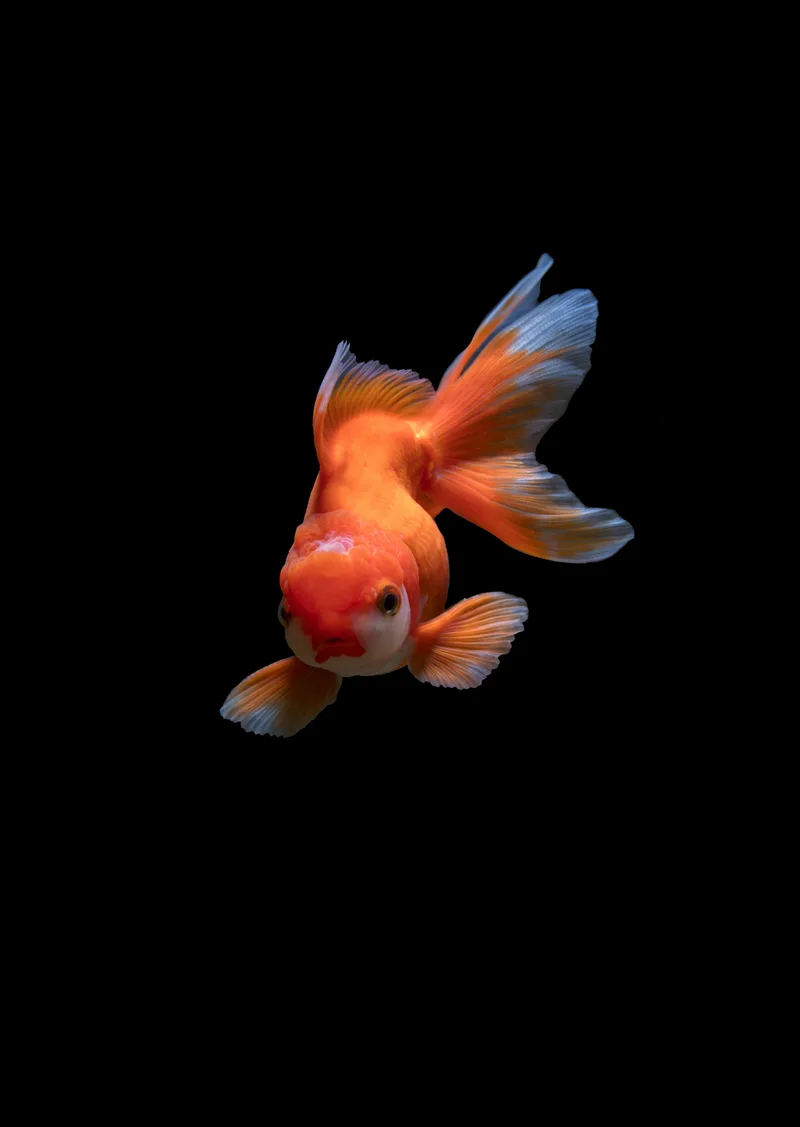
A goldfish is built to live 10 to 15 years, longer than most dogs. So when one dies in a few weeks, it almost never died of old age or bad luck. It died of its water, and the usual killer is ammonia building up in a tank that is too small or was never set up to handle it. The fish that died on you wasn't fragile. Something in the tank did it, and it's usually one of a small handful of things you can fix before the next one.
What actually killed your goldfish?
The fastest way to figure out what went wrong is to think about when it happened. The timing points almost straight at the cause.
If your goldfish died within days of coming home, the most likely culprits are the move itself and a brand-new tank. A fish that has just been bagged, driven home, and dropped into water with no established filter is dealing with stress and rising ammonia at the same time. Fair-prize and carnival goldfish are the hardest hit here. They often arrive already sick from being kept in crowded, unfiltered conditions, so they have nothing left in the tank for the immune system to bounce back with.
If it died over weeks or months, the usual cause is slow poisoning. Ammonia and nitrite creep up in a tank that's too small or under-filtered, especially when the fish is being fed more than it needs. The water can look perfectly clean while the chemistry turns lethal. This is the most common pattern of all, and the most preventable.
If a single fish died in an established, otherwise stable tank where the others are fine, water quality is less likely. That points more toward an individual illness, an internal problem, or genuine old age in a fish that already had years behind it.
| Scenario | Most likely cause | What you'd see |
|---|---|---|
| Died within days of bringing it home | New, uncycled tank plus transport and pet-store stress (worst with fair-prize and carnival fish that arrive already sick) | Listless from day one, sitting on the bottom, fins clamped, often dead with little warning |
| Died over weeks or months | Ammonia and nitrite slowly rising in a too-small or under-filtered tank, made worse by overfeeding | Gasping at the surface, red or inflamed gills, clamped fins, getting steadily worse over time |
| One fish died in an established tank, others fine | Individual illness or genuine old age, not the water | Sudden death with no warning, or a slow decline in just that one fish while tankmates stay healthy |
How do you stop the next goldfish from dying?
You don't need a perfect setup. You need a few non-negotiables, and the rest is comfort. Here is the minimum that keeps a goldfish alive:
- Cycle the tank before the fish goes in. A cycled tank has a colony of bacteria living in the filter that eats the ammonia the fish makes. If a fish is already in an uncycled tank, do the emergency version: test daily and change a good chunk of the water every day to keep ammonia low until the bacteria catch up.
- Give it real water volume. No bowls. A goldfish needs a proper tank, not a decorative jar, because volume is what keeps its waste from concentrating to dangerous levels.
- Run a filter rated above your tank size. Goldfish are messy, so a filter built for a bigger tank is the right call, not overkill.
- Get an ammonia and nitrite test kit. A liquid test kit is the only way to see the thing that's actually killing fish, because you can't see it in the water.
- Change the water regularly. A weekly partial water change resets the slow buildup before it reaches dangerous levels.
- Feed small and once a day. A goldfish can eat far more than it needs, and the leftover food rots into more ammonia. A pinch it finishes in a minute or two is plenty.
If the fish you lost was living in a bowl, the most useful thing you can do before buying another is understand exactly why a bowl can't keep a goldfish alive.
Why is the tank too small even when it looks big enough?
Goldfish are big, heavy-eating fish that produce a surprising amount of waste for their size. That waste turns into ammonia in the water, and ammonia is toxic to fish even in small amounts. So the real job of a tank isn't to hold the fish. It's to hold enough water to dilute everything the fish puts out.
In a bowl or a tiny tank, there isn't enough water to dilute much of anything. Ammonia concentrates fast, and the fish ends up swimming in a thickening poison long before the water looks dirty to you. This is why a small tank dooms a goldfish even when you're doing everything else right: feeding carefully, keeping it clean, changing the water. The volume itself was never enough to keep the chemistry safe.
That's the reframe worth carrying forward. Water volume isn't about giving the fish room to swim. It's pollution dilution. More water means the same amount of waste is spread thinner, which buys the filter and your weekly water change enough margin to keep up.
Did you know? Goldfish don't have a stomach in the usual sense. Food passes through them almost continuously rather than sitting in one place to be digested in batches. That's a big part of why they produce so much waste, and why overfeeding fouls the water so fast.
What does it mean to cycle a tank, and why does skipping it kill fish?
A new tank is sterile in the one way that matters. It has no colony of beneficial bacteria yet. Those bacteria are what make a tank livable, because they take the ammonia a fish constantly produces and convert it into something far less harmful. Without them, the ammonia just builds, with nowhere to go.
Cycling is the process of growing that bacterial colony before, or just after, the fish arrives. The bacteria settle mostly in the filter, and they work in a chain: one kind turns ammonia into nitrite (still toxic), and a second kind turns nitrite into nitrate (much less harmful, and removed by your regular water changes). It takes a few weeks for both colonies to build up to the point where they can keep pace with the fish.
Those first few weeks are exactly the window where uncycled fish tend to die. A fish dropped into a brand-new tank produces ammonia from day one, but there's no bacteria yet to handle it, so it climbs to lethal levels. This is the "new tank syndrome" that kills so many first goldfish in their first month. It is also the single most preventable cause on this list. Cycle the tank first, or run daily water changes while the fish is in there, and you take the most common killer off the table entirely.
How long should a goldfish actually live?
A well-kept goldfish routinely lives 10 to 15 years, and 20-plus is on record. So a fish that died in weeks or months didn't die because goldfish are short-lived animals. It died early, from its environment.
That number tells you something worth holding onto. You really can do better next time, because the ceiling is so much higher than what you saw. And it changes how the loss reads: the goldfish that died fast wasn't a fragile creature, and you weren't uniquely careless. The fish was set up to fail by advice the whole hobby got wrong for a century, the bowl and the fair prize chief among them. Given real water volume, a cycled tank, and a filter, the very same kind of fish is built to outlive a dog. Once you know that, the obvious next question is how long a goldfish lives in a home tank, and what those years really look like. The next one can get there.