Is 2 gallons enough for 1 goldfish?
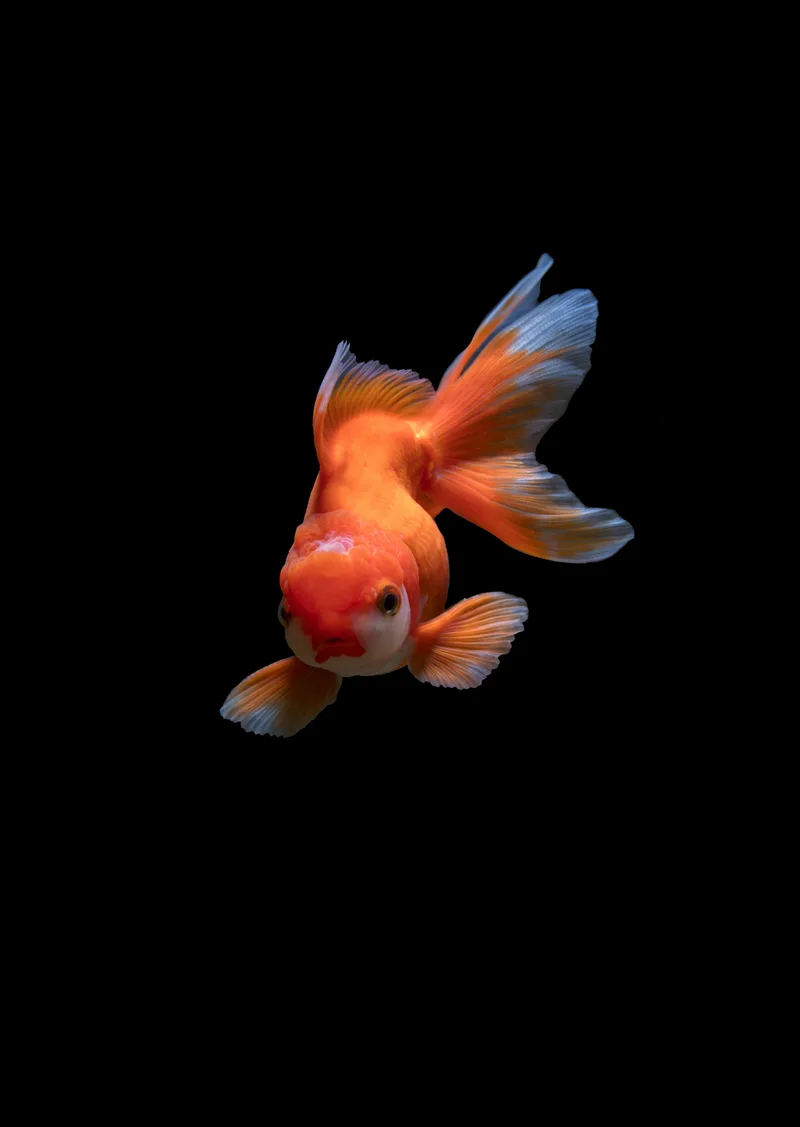
No. Two gallons isn't enough water for any goldfish, not even one, and not even short-term. The real floors are about 20 gallons (75 L) for a fancy goldfish (Oranda, Ryukin, Fantail, Black Moor) and 75 gallons (285 L) for a common, comet, or shubunkin. A 2024 review of pet goldfish welfare found the median pet goldfish dies within a year of purchase, while goldfish given the space they need routinely live 10 to 15 years, and individuals over 40 are documented. The species isn't short-lived. The housing is. If your fish is already in 2 gallons, this is fixable, and the order matters.
What size tank does one goldfish actually need?
The numbers below are the floor for keeping a goldfish, not the optimal setup. Optimal is bigger.
One fancy goldfish needs at minimum 20 gallons (75 L). Add another 10 gallons (38 L) for each additional fancy. Fancies are the rounded, slow-swimming varieties: Orandas, Ryukins, Fantails, Black Moors, Ranchus, and Telescopes. They top out at roughly 6 to 8 inches and aren't strong swimmers, but they still produce a lot of waste and need volume to keep the water stable.
One common, comet, or shubunkin goldfish needs at least 75 gallons (285 L), and most fishkeepers will tell you a pond is the honest answer. These are the slim, single-tailed varieties you see at carnivals. They reach a foot or more, swim hard all day, and were bred from the same stock used to stock garden ponds in the first place. A 75-gallon tank is the indoor minimum, not the goal.
| Fancy goldfish (Oranda, Ryukin, Fantail, Black Moor, etc.) | Common / Comet / Shubunkin | |
|---|---|---|
| Minimum tank for one | 20 gallons (75 L) | 75 gallons (285 L) |
| Adult size | 6 to 8 inches | 12+ inches |
| Swim style | Slow, rounded body, less athletic | Strong, sustained, lateral swimmer |
| Better suited to | Indoor aquarium | Outdoor pond |
A note on terminology, because it trips people up at the pet store: a "goldfish bowl" is not a viable tank. It has no filter, no real volume, and no way to hold the bacteria a goldfish needs to keep its own water safe. If the container can't house a filter and a heater (goldfish do fine at room temperature, but a tank big enough to fit equipment is also a tank big enough to live in), it's not a tank. It's a vase.
Why isn't 2 gallons enough, even for one goldfish?
Three reasons, and any one of them on its own would be enough.
Goldfish are heavy waste producers. They eat a lot, they don't have stomachs in the usual sense, and they push out far more waste than a tropical fish their size. That waste turns into ammonia, then nitrite, then nitrate, which a healthy filter handles through a colony of bacteria called the nitrogen cycle. A 2-gallon tank can barely hold a stable cycle at all. Picture feeding a dog inside a closet: the food still goes in, but the waste has nowhere to go.
Goldfish are built for sustained swimming, not for sitting still. Even fancies, which aren't as athletic as commons, want lateral space to cruise back and forth. In a 2-gallon tank, a goldfish can barely turn around, let alone swim. Reduced movement is one of the first signs a fish is in a tank that's too small.
The "they grow to the size of their tank" idea is real, but it's not what people think it is. What's happening is growth stunting. The body stops getting bigger because the water quality and stress signals tell it to, but the internal organs keep developing on the original timeline. A stunted goldfish often looks small and fine for a year or two, then dies young from organ failure. This is the most common reason bowl-kept goldfish disappear before their owners ever realize anything was wrong.
Did you know? A 2024 review of pet goldfish welfare estimated that the median pet goldfish dies within a year of purchase. Goldfish given proper tank space routinely live 10 to 15 years, and individuals over 40 are documented. The species isn't short-lived. The housing is.
What should I do if my goldfish is already in a 2-gallon tank?
Most readers find this article from inside the situation, not before they've bought the fish. The good news is that goldfish are hardy, and there's a clear order of operations. Don't panic-dump the fish into a fresh, untreated tank: chlorinated tap water that hasn't been dechlorinated is more dangerous than the small dirty tank the fish is currently in. Work the steps in order.
- Start daily 30 to 50 percent water changes with dechlorinated, temperature-matched water. Small daily changes beat one big weekly change in a tiny tank.
- Feed less, and remove any uneaten food within two minutes. Less food in means less waste out, and the fish will be fine.
- Buy a liquid test kit (ammonia, nitrite, nitrate) and test daily. The kit is the difference between guessing and knowing.
- Order an appropriately sized tank and a filter rated for the new volume. At minimum, a 20-gallon for a fancy or a 40-gallon as a starter for a juvenile common, with a real upgrade plan after that.
- Move the goldfish only after the new tank is cycled, or commit to a fish-in cycle with daily testing and daily water changes for the first month.
Hold off on adding a second goldfish until the new tank is fully established and the first fish has settled in. Two stressed goldfish in an uncycled tank is twice the waste load and twice the problem. There's no rush.
What about 5 or 10 gallons, is that enough?
Still no, in both cases. A 5-gallon tank gives the fish a bit more chemical buffer than 2 gallons, but it's well below any responsible minimum for a goldfish, fancy or otherwise. A 5-gallon goldfish tank still falls short of what one fancy needs to stay healthy, and the reasons are the same ones that make 2 gallons fail, just slightly stretched.
A 10-gallon tank is closer to a betta-sized setup. It's still not enough water volume for a single goldfish to stay healthy long-term in 10 gallons, even one small fancy.
A goldfish bowl is not a viable home for a goldfish at all, and the bowl framing is where most 2-gallon setups started. Most goldfish in tiny tanks are there because someone was sold a bowl, not because the owner did anything wrong. Goldfish are hardy enough to look fine for a long time in housing that's slowly hurting them, which is exactly why this question is worth taking seriously now rather than waiting for the fish to start showing problems. Given the space it needs, a goldfish can live ten to fifteen years or more.