What water parameters do goldfish like?
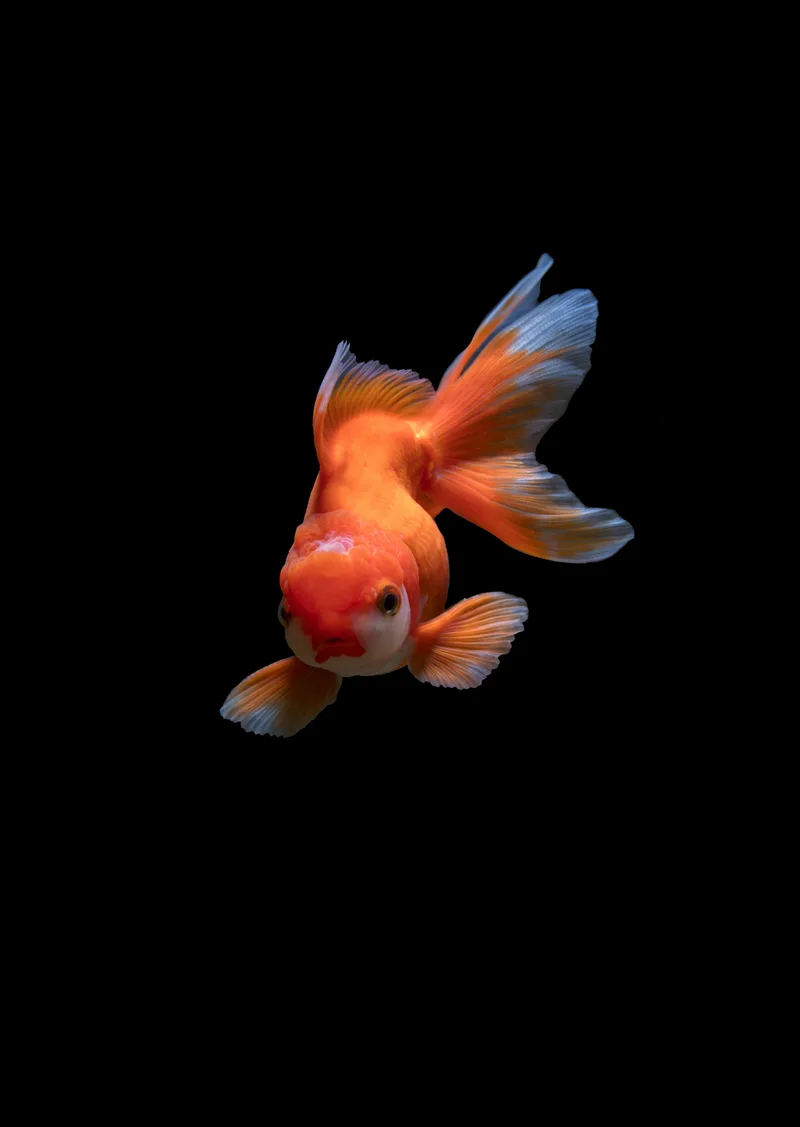
Goldfish do best at 65 to 72°F (18 to 22°C), a pH anywhere between 7.0 and 8.4, general hardness of 5 to 19 dGH, KH above 80 ppm, and zero ammonia and nitrite with nitrate under 20 ppm. The pH range is wider than most freshwater fish get, and that's where most owners go wrong. A goldfish settled at 8.0 is healthier than one whose owner is dosing pH-down to chase 7.4. Stability beats hitting a target, and a lot of the trouble people run into starts with treating the test kit reading as the thing to fix.
| Parameter | Ideal Range |
|---|---|
| Temperature | 65 to 72°F (18 to 22°C) |
| pH | 7.0 to 8.4 |
| GH (general hardness) | 5 to 19 dGH |
| KH (carbonate hardness) | Above 80 ppm (roughly 4.5 dKH) |
| Ammonia | 0 ppm |
| Nitrite | 0 ppm |
| Nitrate | Below 20 ppm |
How Do I Test and Maintain These Parameters?
A liquid test kit is the single best purchase you can make after the tank itself. The API Master Test Kit covers ammonia, nitrite, nitrate, and pH in one box, and the readings are more reliable than paper strips, especially for ammonia. Strips work in a pinch, but they tend to read ammonia inaccurately at low concentrations, which is exactly where accuracy counts.
For an established, cycled tank, testing once a week covers the essentials. If you are cycling a new tank, just added fish, medicated, or did anything else that changes the water chemistry, test daily until things settle back down.
When a number comes back off, the first move is almost always a partial water change. Replacing 25 to 30% of the tank water with dechlorinated tap water dilutes whatever is elevated and buys you time to find the root cause. Resist the urge to add chemicals to chase a number. Chemicals fix the reading on the test kit without fixing the problem, and they introduce instability of their own.
- Ammonia and nitrite: test weekly. Any reading above zero in a cycled tank means something changed. Do a water change immediately.
- pH: test weekly. Look for consistency between readings, not a perfect number.
- Nitrate: test every one to two weeks. A slow rise between water changes is normal and expected.
- GH: test monthly, or after switching water sources. It rarely shifts in an established tank.
- KH: test monthly. If KH drops below 80 ppm your pH can crash overnight, so this one is worth watching even if it seems stable.
- Temperature: glance at the thermometer every time you feed.
Why Does Stability Matter More Than Hitting an Exact Number?
Goldfish acclimate to the water they live in. Over days and weeks, their cells adjust to the local pH, hardness, and temperature. A goldfish that has settled into a pH of 7.8 is doing fine at 7.8. What harms it is a sudden swing to 7.2 because you added pH-down, then a bounce back to 7.6 when the buffer runs out. The swing itself causes stress, not the number it started at.
This is where KH earns its keep. KH (carbonate hardness) acts as a buffer that resists pH changes. Water with adequate KH absorbs the acids produced by fish waste and biological filtration without the pH dropping. Water with low KH has no buffer, and pH can fall sharply overnight, sometimes by a full point or more. If your tap water has a KH above 80 ppm, you are already in good shape. If it runs low, a bag of crushed coral in the filter will slowly dissolve and keep the buffer topped up.
The worst parameter problems usually come from chasing a target. You read that goldfish prefer a pH of 7.4, test your tap at 8.0, and start adding acid. The pH drops, the KH gets consumed, the buffer weakens, and the next water change brings the pH right back up. Now the fish is riding a roller coaster between doses. Had you just left the water alone at 8.0, the fish would have been perfectly comfortable.
Did you know? Goldfish (Carassius auratus) descend from Prussian carp domesticated in China over 1,000 years ago. Across that history they have been kept in everything from soft, acidic pond water to hard European tap. Their tolerance for a wide pH and hardness range is not luck. It is literally bred into the species.
Do Fancy Goldfish Need Different Parameters Than Commons?
The nitrogen numbers and pH range are the same across all goldfish. Where commons and fancies diverge is temperature and flow.
Common goldfish and comets are pond fish at heart. They handle temperatures down to 50°F (10°C) and strong currents without trouble. Fancy varieties like Orandas, Ranchus, and Telescopes have compact, rounded bodies that make them less efficient swimmers. They do better in the 68 to 74°F (20 to 23°C) range, and they need gentler water flow so they are not fighting the current all day.
| Common / Comet | Fancy (Oranda, Ranchu, etc.) | |
|---|---|---|
| Temperature range | 50 to 74°F (10 to 23°C) | 68 to 74°F (20 to 23°C) |
| Flow tolerance | Moderate to strong | Gentle |
| Minimum tank size | 55 gallons for the first fish | 30 gallons for the first fish |
If you keep fancies, a thermometer is worth having even though goldfish are coldwater fish. Room temperature in most homes sits right in their range during summer, but a cold basement or an unheated room in winter can dip below what a Ranchu handles well. Point your filter outflow at a wall or use a spray bar to diffuse the current.
How Does Filtration Affect Goldfish Water Parameters?
Goldfish produce more ammonia per inch of body than most freshwater fish you will keep. A single adult goldfish in a 30-gallon tank can push ammonia readings that would take a dozen neon tetras to match. Undersized filtration is the most common reason goldfish keepers see ammonia and nitrite spikes.
The filter is where the beneficial bacteria live, the ones that convert ammonia to nitrite and nitrite to nitrate. That is the nitrogen cycle in one sentence. If the bacterial colony in your filter cannot keep up with the waste your goldfish produce, ammonia climbs, and every other parameter problem follows from there.
A good rule of thumb: pick a filter rated for at least twice your tank's volume. A 40-gallon goldfish tank runs better on a filter rated for 75 to 80 gallons. Oversizing the filter does not create problems. Undersizing it does.
The amount of filtration your goldfish actually need depends on how many fish you keep and how heavily you feed. And if your tap water is the starting point for every water change, knowing whether you can use it straight or need to treat it first ties directly back to keeping these parameters steady.
Goldfish are genuinely tough fish when the basics stay consistent. The parameters themselves are not hard to maintain. Most problems come not from difficult water chemistry but from reacting to a single reading instead of keeping things steady. Match a decent filter to your tank size, do your weekly water changes, and test often enough to catch a trend before it becomes an emergency. That is most of the job.