What is the proper setup for a goldfish tank?
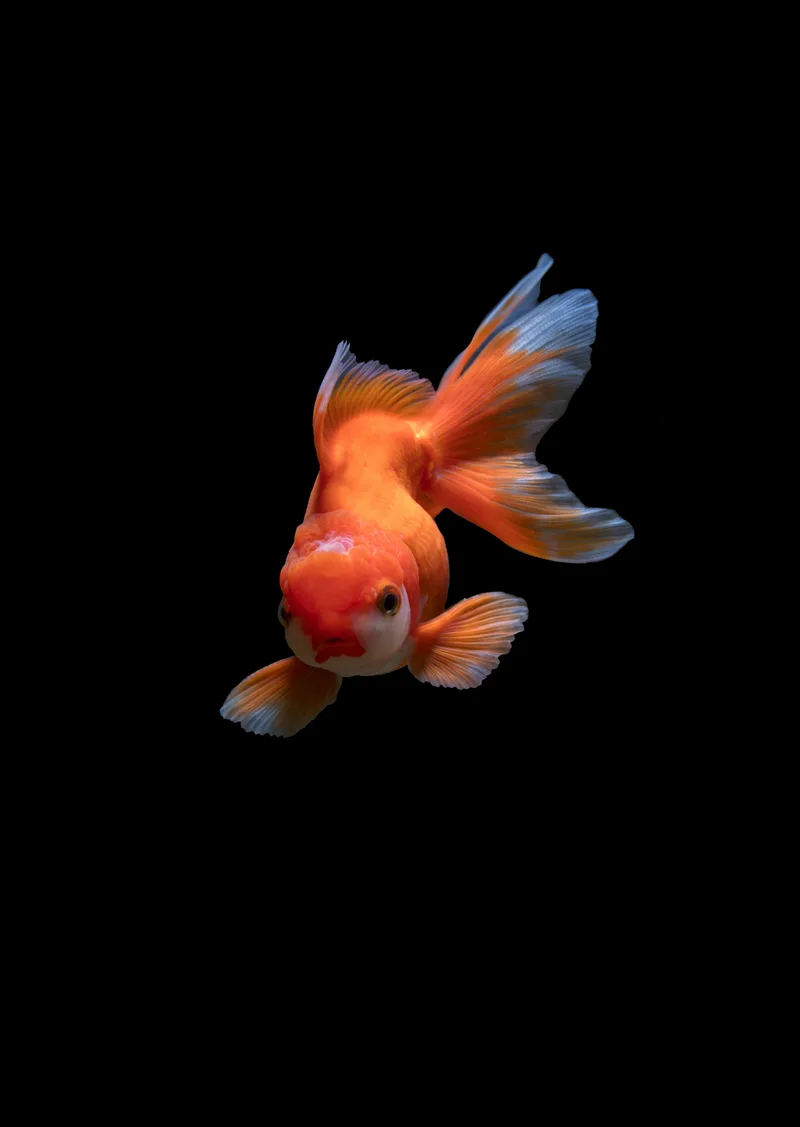
A proper goldfish tank is a cycled, filtered, unheated tank of at least 20 gallons (76 L) for one fancy goldfish, or 75 gallons (284 L) and up for a single common or comet, with a filter rated for at least twice the tank's volume, sand or smooth large gravel on the bottom, and dechlorinated water held in the cool 65 to 72°F (18 to 22°C) range. The bowl on the kitchen counter is the version of this setup most people inherit, and it is the single biggest reason goldfish die in months when they should live for fifteen years. Almost everything you need to know about goldfish tanks is contained in why that bowl fails: they are messy, long-lived coldwater fish with no stomach to slow down the waste, and the setup has to handle that or it doesn't matter how pretty it looks.
What Equipment Do You Actually Need?
Here is the minimum to do this right, not an aspirational showcase list.
- Tank, 20 gallons (76 L) or larger for one fancy goldfish. A 75 gallon (284 L) tank is the minimum for one common or comet. Bigger is genuinely better with goldfish.
- Filter rated for 2x the tank volume. A 20 gallon tank wants a filter rated for 40 gallons of flow. Goldfish produce far more waste than the tropical fish most filters were designed around.
- Water conditioner. Tap water contains chlorine or chloramine, both of which kill the bacteria that keep the tank cycled and irritate the fish's gills. A bottle of basic dechlorinator is cheap and lasts months.
- Liquid test kit (ammonia, nitrite, nitrate, pH). Test strips drift fast and read low on ammonia. A liquid kit is a one-time purchase that lasts years.
- Gravel vacuum. A siphon-style vacuum pulls waste out of the substrate during weekly water changes. There is no clean way to maintain a goldfish tank without one.
- Sand or large smooth gravel as substrate. Pea-sized gravel is a real choking risk for goldfish, who pick up substrate to sift for food. Sand or gravel that's clearly too big to swallow are the safe options.
- Decor and plants you don't mind being rearranged. Fake plants and silk plants survive longer than live ones, and smooth driftwood or rock without sharp edges keeps fancy varieties from tearing fins.
- Skip the heater. Goldfish are coldwater fish. A heater set to typical tropical temperatures (78°F / 26°C and up) shortens their lifespan. The only exception is a cold room where the tank drops below 60°F (15°C), and even then a low-set heater is a stabilizer, not a feature.
How Big Does the Tank Actually Need to Be?
The rule most fish stores quote is 20 gallons (76 L) for one fancy goldfish, plus 10 gallons (38 L) for each additional fancy. For commons and comets it jumps to 75 gallons (284 L) for the first fish, plus another 50 (190 L) for each one after. Those numbers sound generous until you understand what they're protecting against.
| Setup | Minimum tank size |
|---|---|
| 1 fancy goldfish | 20 gallons (76 L) |
| 2 fancy goldfish | 30 gallons (114 L) |
| Each additional fancy | +10 gallons (38 L) |
| 1 common or comet | 75 gallons (284 L) |
| Each additional common or comet | +50 gallons (190 L) |
Goldfish produce ammonia continuously. They do not "grow to fit the tank" in the sense people sometimes mean, where a small tank produces a small fish. The body might stay stunted, but the waste output does not, and a small tank just concentrates the ammonia until it damages the gills and organs. A larger tank is not a luxury, it is a buffer. More water means slower changes in chemistry between water changes, and slower changes are what keeps the fish healthy.
The other thing the rule is protecting against is time. A well-kept goldfish lives 10 to 15 years, and the ones that hit 20+ are not rare. "They'll be fine for now" in a 5 gallon (19 L) bowl is really "they'll be sick in six months." Buying the right tank up front is cheaper than buying a small one, replacing it, and treating the fish in the meantime.
The bowl, while we're here, is not a goldfish tank. A bowl has no filter, no surface area for gas exchange, and no buffer against waste. The image is a holdover from an era before anyone tested water, and it is the single biggest reason goldfish have a reputation for dying quickly.
Sizing math for a goldfish tank shifts with variety and number of fish, but the safe rule of thumb stays the same: pick the number a healthy adult goldfish needs, not the number a young one fits in.
Why Do Goldfish Need Such a Strong Filter?
Goldfish do not have a true stomach. Food moves more or less straight through their digestive tract, which is why they always look hungry and why their waste output is enormous for their body size. A 6 inch (15 cm) fancy goldfish puts more ammonia into the water in a day than three or four neon tetras of equivalent total weight, and that is the load the filter has to handle.
A filter does two jobs at once. The mechanical job is pulling solid waste off the substrate and into the filter media so it stops rotting in the tank. The biological job is housing the bacteria that convert ammonia first into nitrite, then into nitrate. Both of those happen on the surface area inside the filter, which is why a bigger filter matters for more than flow rate. It also gives the bacterial colonies more real estate to live on.
Did you know? Goldfish are one of the very few aquarium fish with no defined stomach. Food moves more or less continuously through the gut, which is why they seem perpetually hungry and why the waste output is so high for their size.
The standard filter sizing rule for tropical tanks is 1x the tank volume per hour. For goldfish that is not enough. Aim for 2x as a minimum, and treat 4x as a reasonable upper bound for a heavily stocked tank. The two practical formats are hang-on-back filters (HOBs) for tanks up to about 40 gallons (151 L) and canister filters for anything bigger. Sponges alone, fine for a betta or a shrimp tank, do not have the throughput a goldfish needs.
You will hear that overfiltering is impossible. With goldfish that is essentially true. The real risk is too much current, which fancy varieties especially struggle in, and that's solved by aiming the outflow at the glass or adding a flow baffle, not by buying a smaller filter.
Do You Need to Cycle the Tank Before Adding the Goldfish?
Yes. This is the step most casual owners skip, and it is the one most likely to kill the fish.
Cycling is the process of growing the bacterial colonies in the filter that handle waste. There are two of them, working in sequence. The first colony eats ammonia (the toxic stuff fish produce directly) and turns it into nitrite, which is also toxic. The second colony eats nitrite and turns it into nitrate, which is much less toxic and gets removed during weekly water changes. Until both colonies exist in big enough numbers, ammonia and nitrite will spike to dangerous levels every time the fish eats.
A fishless cycle takes 2 to 6 weeks. You add a source of ammonia (pure ammonia from a hardware store, or a bottled bacterial starter that comes with a food source) to an empty, filtered, dechlorinated tank, then test the water every few days. The cycle is done when you can dose ammonia to about 2 ppm and the tank reads zero ammonia and zero nitrite within 24 hours. That is the moment the bacteria have caught up with the fish you are about to add.
If the goldfish is already in an uncycled tank, do not panic and do not start over. This is called a fish-in cycle. Test daily. Do a 25 to 50% water change with conditioned water any time ammonia or nitrite reads above 0.25 ppm. Feed lightly, every other day is fine. The cycle still finishes, it just takes a few weeks of attention and the fish does most of the work.
The target water parameters for a healthy goldfish tank are what tells you the cycle is finished and the water is in range, so a test kit is not optional here.
Should the Tank Be Heated?
No. Goldfish are coldwater fish, and the sweet spot for them is 65 to 72°F (18 to 22°C). A standard aquarium heater set to typical tropical temperatures of 78°F (26°C) or higher pushes their metabolism into a place it isn't built for, and the long-term cost is shortened lifespan, more disease, and constant low-grade stress.
This is the single biggest difference between a goldfish setup and a tropical one, and it is also the easiest mistake. The fish store sells goldfish next to bettas and tetras, the equipment aisle sells one kind of heater, and the "starter kit" boxes almost always include one. Skip it.
There is one exception. If the tank lives in a cold room and water temperature drops below 60°F (15°C), a heater set low (around 65 to 68°F / 18 to 20°C) keeps the temperature stable. Stable cool is much better than fluctuating cool. The heater is a floor, not a target.
For the more invested keeper, there is a case for a slight winter cool-down, where the tank is allowed to drift a few degrees lower in the colder months and back up in spring. Goldfish in the wild experience that seasonal cycle, and a mild version of it in a home tank seems to support spawning condition and overall vigor. This is optional, not required.
Does the Setup Change for Fancy Versus Common Goldfish?
Yes, and the differences are bigger than people expect. The tank's job is the same in both cases (cycled, unheated, well-filtered, dechlorinated water), but the variety changes how that job gets done.
Fancy goldfish are the round-bodied varieties: oranda, ryukin, fantail, ranchu, telescope eye, pearlscale, and so on. They are slow swimmers. The exaggerated body shape compresses the swim bladder and digestive tract, which is why fancies are prone to swim bladder issues and constipation. Their setup wants gentle flow, sinking food rather than floating, smooth decor with no sharp edges, and a substrate they can sift without injuring themselves. A 20 gallon (76 L) tank works for a single fancy because they don't sprint.
Commons, comets, and shubunkins are the torpedo-shaped goldfish, the ones that look most like their wild ancestors. They are powerful swimmers who use the full length of the tank and tolerate stronger current happily. Their setup wants horizontal volume, room to swim a length without turning, and a filter outflow that creates real flow rather than a calm pocket. They also handle gravel substrate better than fancies because they aren't dragging their bellies across it.
The practical implication, and this comes up often, is that many casual owners bought a fancy thinking it was a common, or a common thinking it was a fancy. The setup needs to follow the actual fish. If you are not sure which variety you have, the difference between fancy and common goldfish is worth working out before committing to a tank size and a filter.
What Day-to-Day Maintenance Keeps the Setup Working?
A correct setup is not the same as a healthy long-term setup. Maintenance is what turns one into the other.
The weekly routine is a 20 to 30% water change with a gravel vacuum, water conditioner added to the new water before it goes in, and a quick visual check that all fish are eating, swimming normally, and have clear fins. That's it most weeks. Heavier stocking pushes the schedule to twice-weekly, especially for a single common in a tank closer to the bottom of its size range.
Once a month, rinse the filter media in a bucket of water taken from the tank during a water change. Never rinse it under the tap. Tap water has chlorine, and chlorine kills the bacterial colonies you just spent six weeks growing. The same rule applies to anything else that lives in the filter: rinse in tank water only.
Daily, the check is faster than it sounds. Do all the fish come up at feeding? Are they swimming with their fins out, not clamped against the body? Is anyone sitting on the bottom, gasping at the surface, or hiding when they normally don't? Most problems show up here first, days before they would on a test kit, and a goldfish that survives a decade or two is one whose owner caught the small things early.
Get the basics right, keep the water clean, and a goldfish will outlive most family pets. The proper setup isn't an optimization for show, it is what gives the fish a fair shot at the ten, fifteen, sometimes twenty year life they're actually built for.