Should I have 1 or 2 goldfish?
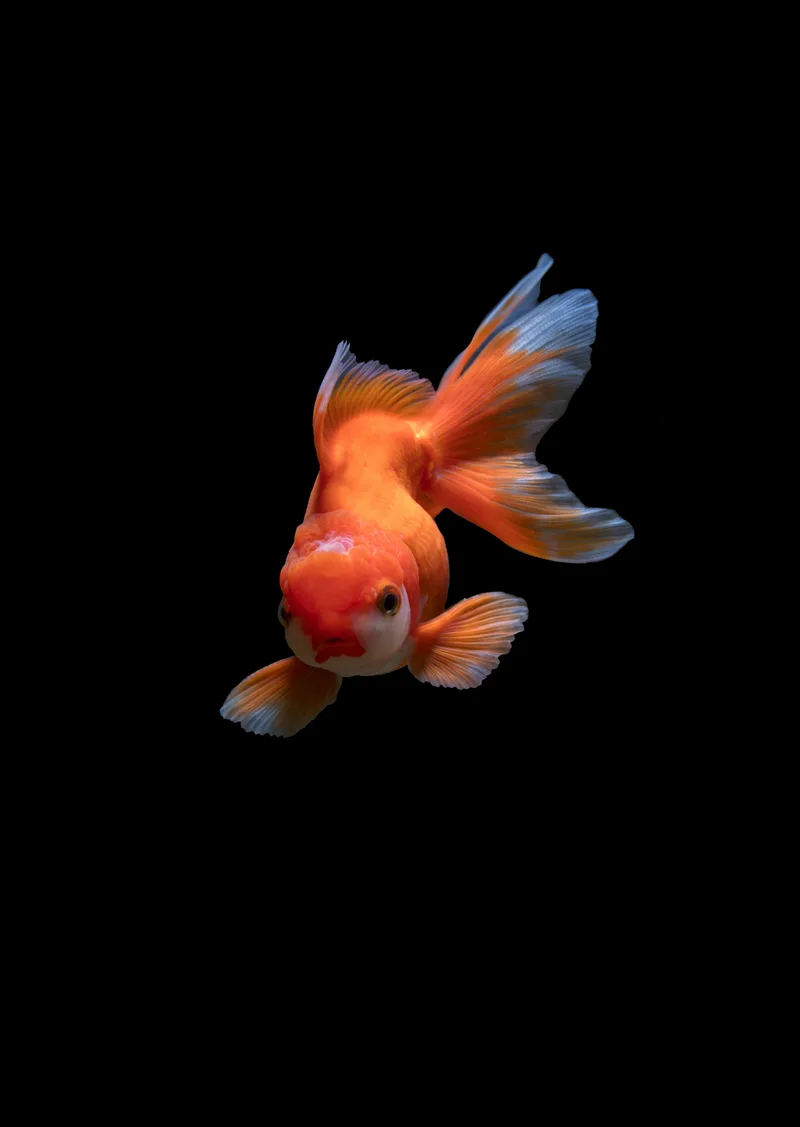
Two is usually better than one, with a hard condition: your tank has to hold the pair. For two fancies (Orandas, Fantails, Black Moors) that's 30 gallons. For two commons or comets it's 75 gallons, because those fish grow to a foot or more. A cramped pair, though, does worse than a healthy solo fish. Adding a second goldfish to a tank that wasn't ready for it makes the existing fish's situation worse, not better, and which kind of goldfish you have is what decides whether your tank is ready.
How Big Does My Tank Need to Be for Two Goldfish?
For a pair of fancy goldfish, 30 gallons is the realistic minimum: 20 gallons for the first fish, plus 10 for the second. For a pair of commons or comets, 75 gallons is the floor, and a pond is genuinely better if you can manage it. These are not arbitrary numbers. They come from how much fish you're actually putting in the water.
The other half of the math is filtration. Goldfish produce a lot of waste for their size, closer to what you'd expect from a fish three times bigger. Adding a second goldfish roughly doubles the bioload, which is the total amount of ammonia, nitrite, and organic muck your filter has to keep up with. A filter that was comfortable handling one fish is often borderline for two. The usual rule is to pick a filter rated for at least twice the tank's volume per hour, and if you're keeping a pair, rate it for the pair, not for the tank.
That reframes the "can I keep two" question a little. It isn't really about swimming room, which is usually fine at these volumes. It's about whether your filter, your water change schedule, and your patience can handle the waste two goldfish produce. If you're willing to do a weekly 30 to 40 percent water change and run an oversized filter, you can keep more fish. If you'd rather do a 20 percent change every other week, you should keep fewer.
| Goldfish type | Minimum tank for one | Minimum tank for two | Filtration notes |
|---|---|---|---|
| Fancy (Oranda, Ryukin, Fantail, Black Moor, Telescope) | 20 gallons | 30 gallons | Filter rated for 60+ gallons per hour of turnover; gentle flow, since fancies are slow swimmers |
| Common, Comet, Shubunkin | 40 gallons | 75 gallons | Filter rated for 150+ gallons per hour; these fish grow large and eat a lot, outdoor pond is ideal |
Do Goldfish Actually Get Lonely?
Goldfish are loosely social, and the practical version of that is worth spelling out. In ponds and outdoor groups they shoal, feed together, and drift toward each other when they're relaxed. Captive pairs often look more active and explore the tank more than a single fish does. So there is something real to the instinct.
What isn't real is the idea that goldfish form individual bonds the way a dog or a parrot might. A single goldfish in a good tank is not sitting there missing its friend. It isn't building a relationship with the fish next to it either, at least not in any sense we can measure. What pairs seem to gain is something closer to confidence: with another goldfish in the water, both are more willing to come out, explore, and feed in the open. Solo goldfish can be shyer, especially in a room with a lot of movement.
Did you know? Goldfish descend from the Prussian carp (Carassius gibelio), a schooling species that still lives in large, mixed-age groups in rivers and lakes across Eurasia. A thousand years of domestication has softened that instinct but hasn't erased it, which is why a pair of goldfish in a tank will often drift together and feed at the same spot even when there's nothing rewarding them for it.
So what this adds up to is modest and real. Two goldfish tend to be more active and more visible than one, and that's a quality-of-life upgrade when the tank supports it. But "lonely" as humans feel it isn't really the right frame for what's going on, and a single goldfish in the right volume is not a welfare problem.
Does the Answer Change for Fancy vs. Common Goldfish?
The variety matters more than almost anything else here. A pair of small-bodied fancies fits comfortably in a 30-gallon tank because a Fantail or a Black Moor tops out around 6 inches and swims slowly. A pair of commons or comets in the same 30 gallons is a different situation entirely. Those fish grow to a foot or more, they're built for cruising, and two of them crammed into a 55-gallon tank will show the effect quickly: frayed fins, poor water, and stunted growth.
This is where a mid-size tank changes the answer by variety. In a 30-gallon tank, one common goldfish is fine for a while but will eventually outgrow the space, and two commons is not workable. Two fancies in that same tank is comfortable, and three fancies is a stretch. The working stocking rule is less "how many goldfish can I keep" and more "how many of this kind of goldfish."
If you're not sure which variety you have, the difference between fancy and common goldfish comes down to body shape and fin structure: fancies are round and stubby with long flowing fins or telescope eyes, commons and comets are sleek and torpedo-shaped with a single forked tail. That shape is what decides the tank size.
One more practical note: if you do keep a pair of fancies, mixing varieties of similar size and swimming style works well, and it makes the pair more visually distinct. A Black Moor next to an Oranda, or a red Fantail next to a calico Ryukin, reads clearly in the tank. What you want to avoid is pairing a fancy with a common, because the common will outcompete the fancy for food every time.
I Already Have One Goldfish, Can I Add Another?
Work through three checks before you buy the second fish.
First, is the tank genuinely big enough for two? Go back to the numbers in the first section. If your current fish is a fancy and you have at least 30 gallons, you're in range. If it's a common or comet and you have less than 75 gallons, the answer is no, and adding a second fish will make the existing fish's situation worse, not better.
Second, how long has the current fish been alone? A goldfish that has been a solo fish for years can become territorial toward a newcomer, even one of its own variety. The risk shows up as chasing, fin-nipping, or the older fish blocking the newer one from food. It isn't common, but it's real, and individual temperament matters more than the species average. If your existing fish is a few years old and has had the tank to itself, plan for a slower introduction and keep a close eye on the first week.
Third, match the new fish to the old one. Pick a similar size, because a small new fish with a large established one often ends up intimidated or outcompeted at feeding time. Pick a similar variety, because mixing a slow-swimming fancy with a fast common almost never ends with both fish eating enough. And quarantine the new fish in a separate setup for two weeks before it goes in the main tank, which catches most disease introductions before they become a problem for both fish.
Before adding the second goldfish, run through this checklist:
- Tank size check: does the total volume clear the pair minimum for this variety?
- Quarantine: has the new fish spent two weeks in a separate, cycled tank with no signs of illness?
- Size and variety match: is the new fish within an inch or two of the existing one and the same broad type (fancy with fancy, common with common)?
- Introduction timing: feed both fish before moving the new one in, so territorial pressure at feeding time is lower for the first day?
- First-week watch: any persistent chasing, hiding in one corner for hours, or new fin damage should trigger a separation plan.
Once a pair is settled, don't worry if one grows faster than the other. Size differences between two goldfish in the same tank are normal and usually come down to feeding competition, not a health problem. Slow the dominant fish's feeding pace or feed in two spots, and the slower-growing fish usually catches up.
Thinking past a pair doesn't change the underlying rule, just the numbers. A group of three or four goldfish needs real volume to work, because each additional fish adds another 10 to 20 gallons for fancies and much more for commons, along with a filter sized to keep up.
The right number of goldfish is the one your tank can support well. A single fish in the right volume is doing fine. A pair in the right volume does a little better, with more movement and more confident behavior from both. A pair cramped into the wrong volume is worse than either. The tank-size math is doing most of the work here, and the sociality question mostly sorts itself out once the volume is right.