How many goldfish can live together?
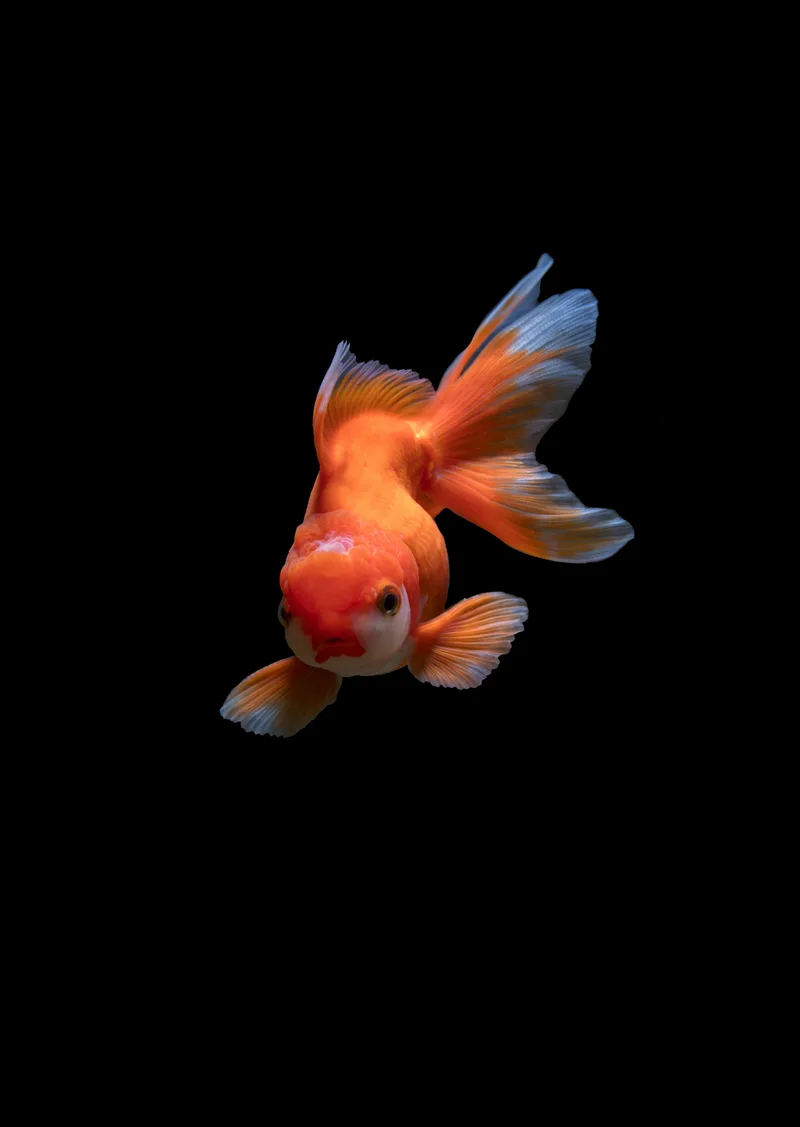
One fancy goldfish wants 20 gallons, and each extra fancy adds another 10. One common, comet, or shubunkin wants 75, with 20 more per fish after that. Those numbers feel high because the pet-store "one inch per gallon" rule breaks badly on goldfish: a 6-inch fancy is not twice as much fish as a 3-inch one, it is closer to four or five times as much, in waste terms. And the fancy-vs-common gap is the part most stocking guides skip. The same tank that comfortably holds three fancies often holds just one common, because the body type does as much of the work as the gallons.
How Many Goldfish Fit in My Tank Size?
These are working minimums, not targets. Each number assumes filtration sized for the bioload and weekly water changes. Anything under 20 gallons is a temporary home for any goldfish variety, not a long-term setup.
| Tank size | Fancy goldfish (max) | Common / comet (max) | Notes |
|---|---|---|---|
| 10 gal (38 L) | 0 | 0 | Temporary only. Too small for any goldfish long-term. |
| 20 gal (75 L) | 1 | 0 | One fancy, long-term. Commons need more swim length. |
| 30 gal (114 L) | 2 | 0 | Pair of fancy. Still under-sized for a single common. |
| 40 gal (151 L) | 2 to 3 | 0 | Good pair tank for fancy; trio is the upper end. |
| 55 gal (208 L) | 3 to 4 | 0 | Comfortable fancy tank; commons still need more length. |
| 75 gal (284 L) | 4 to 5 | 1 | Minimum for a single common or comet. Consider pond at maturity. |
| 125 gal (473 L) | 6 to 7 | 2 to 3 | Group of fancies, or a small group of commons with a pond plan. |
A single fancy goldfish needs 20 gallons as a working minimum, and a single common needs closer to 75, which is where the stocking numbers above start.
Does It Matter if They're Fancy or Common Goldfish?
After tank size itself, body type is the biggest variable in goldfish stocking. A tank that comfortably holds three fancy goldfish may only hold one common, and the reason is in how the fish is shaped.
Fancy goldfish (oranda, ryukin, fantail, ranchu, black moor) top out around 6 to 8 inches. Their bodies are short and rounded, their swim bladders sit in an egg-shaped cavity, and they move in slow, deliberate drifts around the tank. Commons, comets, and shubunkins are a different animal. They grow to 10 to 14 inches, have the torpedo body of their wild carp ancestors, and swim hard and constantly. More body, more movement, more food, more waste.
That last part drives the math. A common goldfish at full size produces far more ammonia per day than a fantail at full size, and it needs more swimming length just to behave normally. The body-type split between fancy and common goldfish determines almost everything that follows in a stocking plan, from tank length to filter turnover. Mixing fancy and common goldfish in one tank brings its own trade-offs around swim speed and competition at feeding time, since the slower fancies often lose out when a common is in the water with them.
Is One Goldfish Alone Okay, or Do They Need a Friend?
One goldfish alone is not a welfare emergency. Plenty of single goldfish live long, healthy lives, and the decades of folk wisdom about pairing them is mostly right but not absolute. A single goldfish in a properly sized, well-maintained tank is doing fine.
Goldfish are social in a loose, low-intensity way, though. Most keepers who add a second fish notice the change: the two follow each other around the tank, feed together, and use space they ignored when solo. They don't school like tetras or pair-bond like cichlids. They just seem to settle in more fully when there is another goldfish in the water with them.
The one rule that matters: if adding a second fish means overstocking the tank, the solo fish you already have is better off alone. A cramped pair is worse than a comfortable single. If your current tank can only hold one goldfish, keep the one goldfish. Choosing between one or two goldfish always comes down to the tank, not the fish: tank size wins.
Did you know? Goldfish lack a true stomach. Food passes almost straight through their intestinal tract, which is why they produce those long trailing waste strings almost continuously, and why a goldfish tank's filter earns its keep in a way a tropical tank's doesn't.
Why Does Adding One More Goldfish Need So Much Extra Water?
The pet-store "one inch per gallon" rule works roughly for small tropical fish. It breaks on goldfish, and the reason is bioload.
Bioload is the load an animal puts on its filter, measured in how much ammonia, nitrite, and organic waste its body produces per day. Length is a convenient proxy for it in small, lightly fed tropicals, where a 2-inch tetra really does make about twice the waste of a 1-inch one. Goldfish break the proxy. They eat constantly, they lack a true stomach, and food moves through their intestinal tract fast enough that waste production scales closer to body volume than body length. A 6-inch fancy goldfish is not twice as much fish as a 3-inch one. It is something like four or five times as much fish, in waste terms.
Oxygen demand is the other half. A filter converts ammonia to nitrite and nitrite to nitrate using bacteria that breathe oxygen, and goldfish themselves breathe oxygen too. Both compete for the same dissolved oxygen in the tank, and dissolved oxygen is set by surface area, not volume. A tall, narrow tank with the same gallons as a long, shallow one holds far less oxygen for the fish and the bacteria to share.
Goldfish are a coldwater species, which cuts both ways. Cold water holds more dissolved oxygen than warm water, which helps. But the nitrifying bacteria in the filter also work more slowly at cooler temperatures, which means the filter needs more headroom to keep up. You end up needing volume for three stacking reasons: to dilute waste between water changes, to maintain surface oxygen, and to give the filter enough bacterial mass to process ammonia at cold-water speeds.
Goldfish tanks generally want a filter rated for two to four times the tank volume per hour, which is noticeably more turnover than a tropical community tank of the same size.
What If My Tank Is Too Small Right Now?
If your tank is overstocked, here is the immediate list:
- Water changes twice a week, 50% each time, until you have a permanent plan.
- Test ammonia and nitrite with a liquid test kit. Either above zero means act today.
- Feed a little less. Smaller portions mean less waste without starving the fish.
- Move up a filter size or add a second filter. More biological media, more processing.
- Don't add any more fish until the tank is upgraded.
Those steps buy you time. They are not a solution. The medium-term options are the ones that actually fix the setup.
The cleanest fix is a tank upgrade. Go up to the size the stocking table above calls for. If you have fancy goldfish, that often means 40 to 75 gallons. If you have a common or comet, it often means 75 gallons at minimum, and honestly a pond once the fish matures. Rehoming a fish is the next option: a friend with a bigger tank, a local fish store that takes returns, or an aquarium club are all real paths, and nobody will think worse of you for using them. For commons, comets, and shubunkins specifically, an outdoor pond is the end state most goldfish keepers arrive at, because those varieties were bred from pond-going carp and reach their natural size there.
The goldfish-in-a-bowl image is not a goldfish thing. It is a 20th-century pet-store thing, invented to sell small tanks to people who did not know what a goldfish actually grows into. The reader who just learned their tank is too small is not a bad fish keeper. They inherited a bad cultural default, and upgrading tank size is the single highest-leverage move they can make for their fish's lifespan. A goldfish kept in a bowl runs into ammonia problems within days because the water volume is too small to dilute waste between changes, so a move to a real tank is urgent rather than optional.