What kills goldfish in a tank fast?
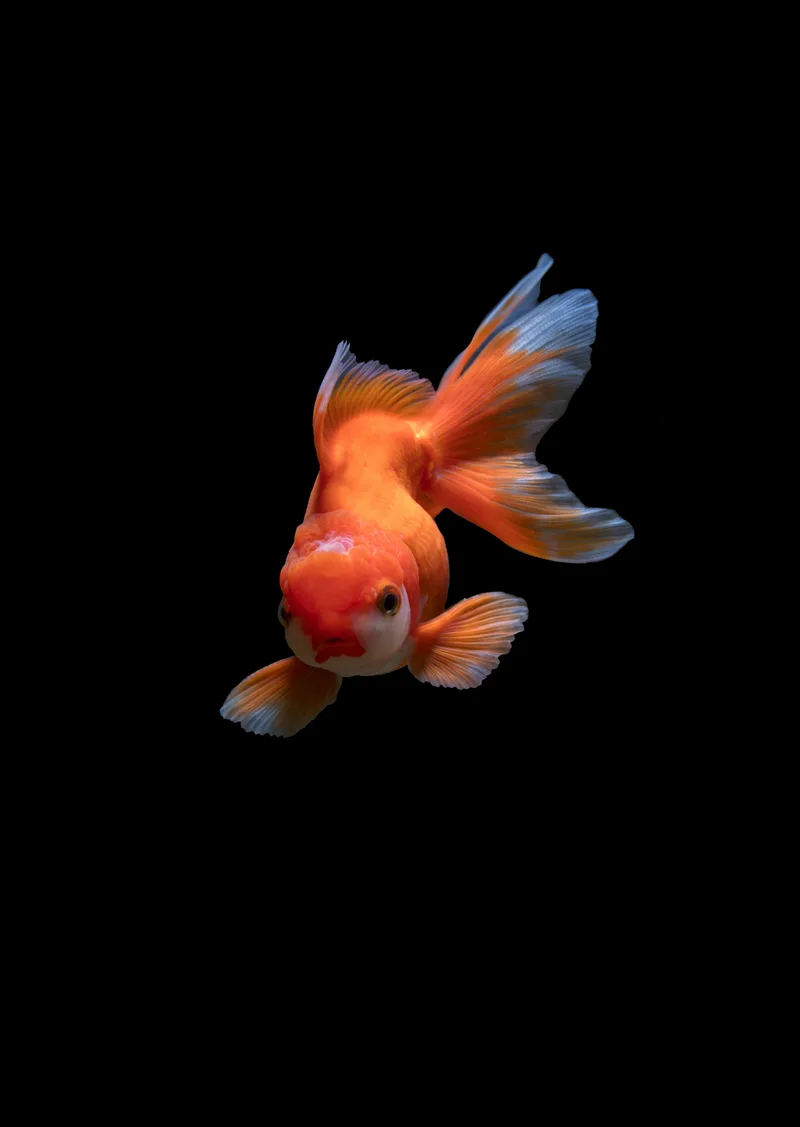
What kills a goldfish fast is almost always the water itself: untreated tap water carrying chlorine, or a spike of ammonia or nitrite in a tank that hasn't finished cycling, either of which can damage a goldfish's gills in hours rather than days. The part that catches people off guard is that the most common version of this isn't neglect. It's the owner who killed the fish during a water change, by pouring in a fresh bucket of straight tap water to help it. Goldfish are far less forgiving of bad water than they look, so if your fish died fast or one is gasping at the surface right now, the first question worth asking is whether your own water change could have done it.
What Most Likely Killed It This Fast?
Match what changed in the tank to the cause. The fastest killers leave clues, and the clue is usually in the timing.
- Chlorine or chloramine from untreated tap water (minutes to a few hours). The sign: the death or distress came right after a water change or right after the fish went into a brand-new tank. Chlorine burns the gills on contact, so the fish gasps at the surface or goes still on the bottom fast.
- An ammonia or nitrite spike in an uncycled tank (hours to a day or two). The sign: the tank is new, was recently set up, or never grew the bacteria that clear waste. The fish hangs near the surface gulping, then becomes listless. This is the single most common cause in a just-bought-fish, just-bought-tank situation.
- Oxygen depletion (often overnight). The sign: warm water, an overstocked tank, no movement on the surface, and a fish gulping at the very top in the early morning. Warm water holds less oxygen, and a crowded tank uses it up.
- Temperature shock from a too-cold or too-warm water change (hours). The sign: clamped fins, a fish lying on the bottom or drifting sideways, soon after you topped the tank up with water that didn't match.
- Acute disease or a poisoning event (varies). The sign: a fish that looked off for a day or two first, white patches, red streaks, or a clear outside cause like a cleaning spray near the tank.
If what you're seeing is closer to spots, sores, or fungus than to gasping and listlessness, the cause may be illness rather than water. You can match the symptoms to specific goldfish illnesses to tell the two apart.
What Should I Do Right Now to Save the Others?
Act on the water first, because that's the cause in most fast deaths and the one you can fix in the next ten minutes.
Do a large water change, but only with water that has been dechlorinated and matched to the tank temperature. A bucket of straight tap water is what kills goldfish during a water change, so treat it with dechlorinator first and let it reach the same temperature as the tank before it goes in. Cold water hitting a warm tank is its own danger.
Stop feeding for now. A goldfish can go a few days without food with no harm, and every pellet that goes in becomes more ammonia in a tank that may already have too much. Cutting food cuts off the waste at the source.
Get more oxygen to the surface. Drop in an airstone if you have one, or angle the filter outflow so it breaks the surface and ripples the top of the water. Oxygen enters where the water meets the air, so more movement up there means more oxygen down where the fish is.
If you have a test kit, check ammonia and nitrite. Any reading above zero on either one confirms the water as the cause and tells you to keep changing it. Without a kit you're guessing, but the water change and the oxygen are safe to do either way.
Damage from bad water is often reversible when you catch it quickly. A fish that's gasping but still upright and responsive has a real chance once the water is clean and oxygenated. If you suspect your tap water is what did it, knowing how to make tap water safe for a goldfish tank keeps it from happening again.
Why Does Bad Water Kill a Goldfish So Fast?
Goldfish are big-bodied, heavy-eating fish, and they produce far more waste for their size than almost any other fish you'll keep in a home tank. A goldfish eats more, digests more, and dumps more ammonia into the water than a tetra or a guppy ever will. So waste builds up faster, and a filter that hasn't finished growing its cleanup bacteria, or that's just too small for the fish, gets overwhelmed quickly. The water that would slowly degrade around a small fish can turn toxic around a goldfish in a single night.
That ammonia and nitrite don't just sit in the water. They poison the fish directly, through the blood and the gills. The gills are the most exposed tissue a fish has, thin and constantly bathed in whatever the water carries, so a chemical in the water reaches them before the fish can react to anything. That's the reason a poisoned goldfish gasps at the surface: its gills aren't pulling enough oxygen from the water anymore, and it's reaching for the thin, better-oxygenated layer right at the top.
Did you know? A goldfish breathes by passing water over its gills, which means ammonia in the water burns those gill filaments directly. The tissue is in chemical contact with the water before the fish can do anything about it. That surface-gasping you might see isn't the fish asking for food. It's reaching for the one thin layer of better-oxygenated water at the very top.
Warm water stacks a second problem on top of the first. Heat speeds up the chemistry that turns waste toxic, and warmer water holds less dissolved oxygen to begin with. Goldfish are coldwater fish for exactly this reason, and a tank that runs too warm is fighting them on both fronts at once. If your fish is gasping and you want to rule oxygen in or out, the signs that a goldfish is short on oxygen are specific enough to check against.
Can a Water Change Itself Kill a Goldfish?
Yes, and this is the story behind a large share of sudden goldfish deaths: the fish died because of the water change, not in spite of it. There are three ways it happens. Untreated tap water carries chlorine or chloramine that burns the gills the moment it goes in. Water that's much colder or warmer than the tank delivers a temperature shock the fish can't buffer. And a change so large and sudden that it swings the pH and hardness all at once stresses an established tank harder than the dirty water did.
None of this means water changes are dangerous. The fix isn't to fear them, it's to do them right. Treat the new water with dechlorinator, match its temperature to the tank, and on an established tank keep individual changes moderate rather than swapping nearly everything at once. Done that way, a water change is the single most powerful thing you can do for the fish, not a risk to manage around.
The same thing runs under every fast killer here. Chlorine, ammonia, nitrite, low oxygen, temperature shock: they're all one problem wearing different masks, and the mask is the water. That's the reassuring part, because the water is the one piece of the whole setup that sits entirely in your hands. A bottle of dechlorinator and a test kit prevent nearly every overnight death described above. Deaths that creep in slowly over weeks and months come from a different set of causes, and goldfish that die young rather than overnight usually have something chronic wearing them down instead.