Do goldfish like clean or dirty water?
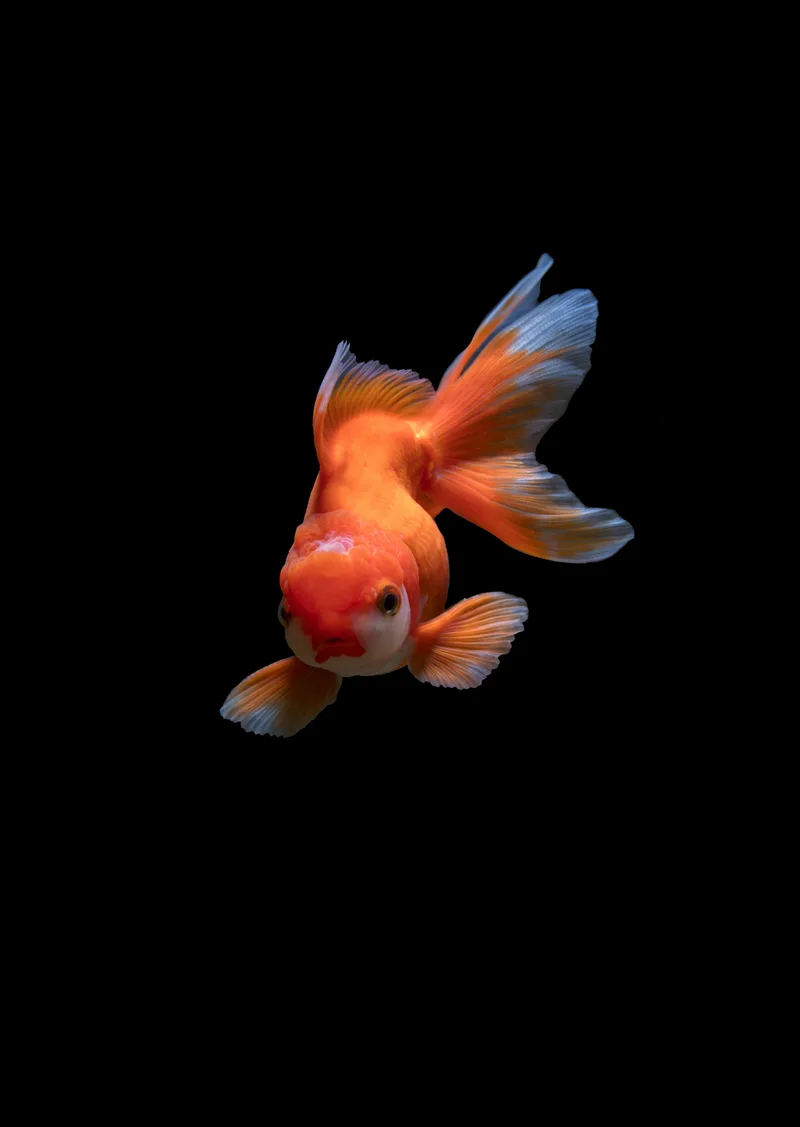
Goldfish need clean water. The reason so many people think otherwise is that a goldfish in bad water keeps swimming and eating for weeks while the damage piles up out of sight. A betta in the same ammonia spike clamps its fins and stops eating within a day. The goldfish reads as tolerant, but it just has a longer fuse. That gap between "looks fine" and "is fine" is the whole reason this question exists.
How Do I Actually Keep Goldfish Water Clean?
The targets are simple: 0 ppm ammonia, 0 ppm nitrite, and nitrate under 40 ppm. A basic liquid test kit (API Master Test Kit or similar) tells you where you stand in five minutes. If those numbers are in range, the water is clean enough regardless of whether it looks a little cloudy.
The routine that keeps them there:
- Test your water once a week, more often if the tank is new or you've just added fish.
- Remove uneaten food and visible debris with a gravel vacuum before each water change.
- Change 25 to 30% of the water weekly with dechlorinated replacement at roughly the same temperature.
- Check that your filter is flowing freely. Rinse mechanical media in old tank water if flow drops; never rinse it under tap water.
- Run a filter rated for at least 4 times your tank volume per hour. A 40-gallon tank needs a filter pushing 160 gallons per hour or more.
Oversized filtration matters more for goldfish than for almost any other common freshwater fish. Their waste output is high enough that a filter sized "just right" for the tank volume falls behind within days. If you're choosing a filter for a goldfish setup, picking one rated well above your tank size makes every other part of maintenance easier.
Why Do Goldfish Make the Water Dirty So Fast?
Goldfish are cyprinids, and like all cyprinids, they have no true stomach. Food doesn't sit in an acid bath being broken down the way it does in a cichlid or a predatory fish. Instead, it passes through a long intestine in a more or less continuous stream, and the extraction is less efficient. More food in means more waste out, gram for gram, than most tropical species produce.
Did you know? Goldfish lack a true stomach entirely. Food moves through a long, looping intestine instead of being digested in batches. This is why a goldfish that ate the same amount as a similarly sized cichlid would still produce noticeably more waste.
On top of that, goldfish eat constantly when food is available, and they grow large. A common goldfish (Carassius auratus) kept properly can reach 10 to 12 inches. That's a lot of body mass running on an inefficient digestive system, all of it producing ammonia that your filter and bacteria colony have to process.
The mess isn't a flaw in your care. It's how the fish is built, and once you know that, you can plan around it instead of chasing it.
Can Goldfish Survive in Dirty Water?
Short-term, yes. Goldfish are hardier than most tropical fish. They tolerate ammonia spikes, low dissolved oxygen, and temperature swings that would kill a neon tetra or a ram cichlid in hours. This is partly why they've survived centuries of being kept in bowls and ponds with no filtration at all.
But survival is not thriving. Chronic exposure to elevated ammonia and nitrite causes gill tissue damage that you can't see from outside the tank. Fins erode slowly. Growth stunts. A goldfish in marginal water might live two or three years and look "fine" the whole time, when the same fish in clean water could have lived fifteen or twenty.
The reason people think goldfish "like" dirty water is that goldfish die slowly in bad conditions rather than quickly. A betta in an ammonia spike clamps its fins and stops eating within a day. A goldfish in the same water keeps swimming and eating for weeks, accumulating organ damage the whole time. That reads as tolerance, but it's just a longer fuse. Goldfish that die young almost always trace back to chronic water quality problems, not sudden ones.
Does Tank Size Affect How Fast the Water Gets Dirty?
Directly. A larger volume of water dilutes waste more slowly, which means ammonia and nitrite take longer to reach dangerous concentrations between water changes. In a 10-gallon tank with a single goldfish, one missed water change can push ammonia into the danger zone. In a 55-gallon tank, you have days of margin.
This is the real reason the minimum tank size for goldfish is so much larger than people expect. It's not about giving the fish room to swim (though that matters too). It's about giving yourself a wider margin between water changes. A bigger tank doesn't mean less work. It means the upkeep you do is more forgiving, and the gap between "everything's fine" and "something's going wrong" is wide enough that you catch it before it becomes a crisis. Choosing the right tank size for your goldfish is the single biggest thing you can do to make water quality manageable instead of a constant battle.