Are goldfish good first pets?
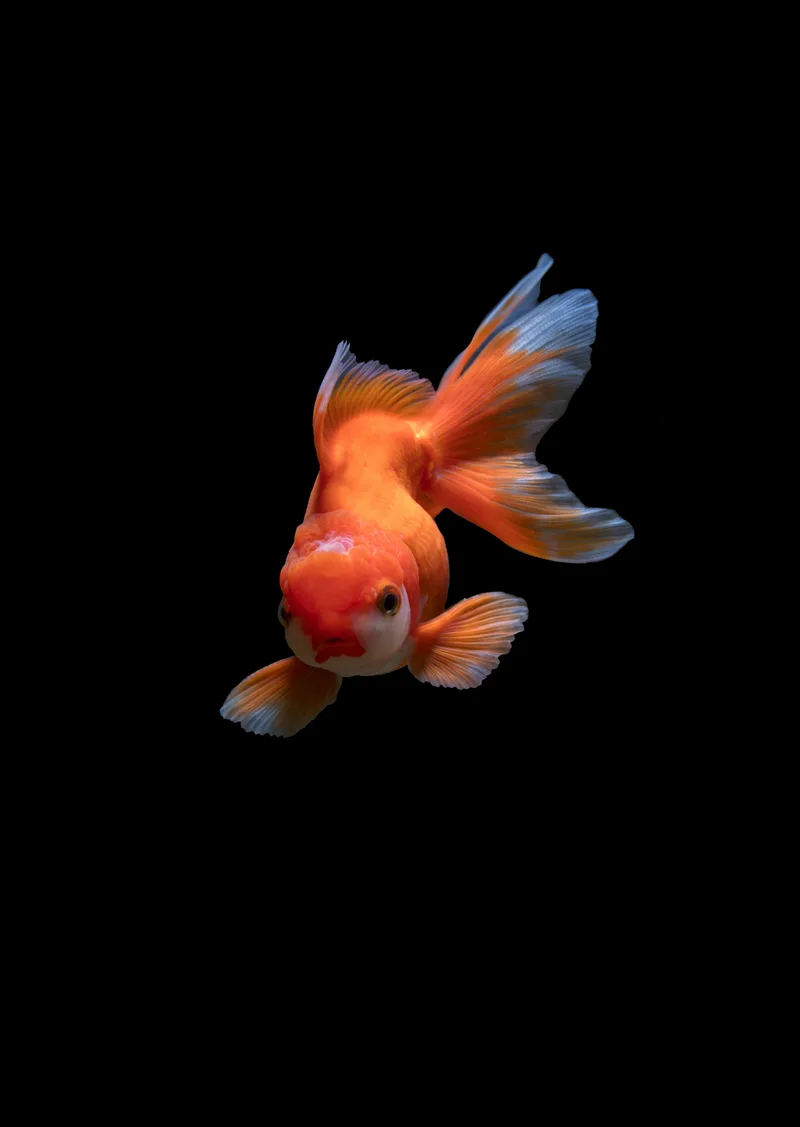
Yes, a goldfish can be a great first pet, and a well-kept one will outlive the average family dog at 10 to 15 years. That long life is the catch hiding inside the cheap, throwaway reputation: a goldfish only fails when it's set up to fail, in a bowl too small for a fish that grows to the size of your hand. The whole answer comes down to one decision you make at the store, the kind of goldfish you pick and how much water you give it, and getting it right is what turns "yes" into an easy decade.
Which Goldfish Should a Beginner Actually Start With?
Start with a single fancy goldfish. That means an Oranda, a Ryukin, a Fantail, or a Black Moor, not the long, slim "common" goldfish or the comet you see in feeder tanks.
The split matters more than the price tag. Commons and comets are strong swimmers bred for ponds, and they grow to a foot long. They need pond-scale space and pond-scale filtration, and a beginner who buys one for an indoor tank is signing up for a problem in a year or two. Fancy goldfish were bred for body shape rather than speed, so they stay smaller, around 6 to 8 inches, and they're built for the calmer water of an indoor tank.
One fancy goldfish in a properly sized tank is the forgiving path. A comet in a bowl is where almost every goldfish horror story comes from. If you've been weighing the difference between fancy and common goldfish, that single choice is the one that decides whether the answer to "good first pet?" lands as yes or no.
What Do You Actually Need to Set One Up Right?
The surprise for most first-time owners isn't the fish. A fancy goldfish is cheap. The surprise is the tank and the filter, because a goldfish eats heavily and excretes heavily, and all of that waste has to go somewhere. The starter kit below is the minimum that keeps the fish alive and well, not the showroom setup.
- A 20-gallon (75 L) tank or larger for one fancy goldfish, plus another 10 gallons per extra fish. This is the number that catches people off guard, and it's the most important one on the list.
- A filter rated well above your tank volume. Goldfish are messy, so a filter sized for a 40-gallon tank on a 20-gallon setup is about right. Undersized filtration is the quiet killer.
- A water dechlorinator. Tap water has chlorine in it that will harm the fish, and a few drops of dechlorinator makes it safe to use.
- A thermometer, but no heater. Goldfish are a coldwater fish and do best at 65 to 72°F (18 to 22°C), which is close to normal room temperature. You're watching the temperature, not raising it, because goldfish don't need a heater the way a tropical fish does.
- Sinking pellets or gel food made for goldfish. A diet built for the species keeps their digestion working and beats generic flakes.
- A water test kit. It lets you see ammonia and nitrate before the fish shows you, which is the difference between catching a problem and reacting to one.
Are Goldfish a Good First Pet for Kids?
This is the reason most people are asking in the first place, and the honest answer is yes, with the expectations set straight. A goldfish can teach a child routine and responsibility, and watching one grow and learn to recognize feeding time is genuinely rewarding.
What it is not is a disposable trial pet. A well-kept goldfish is a 10 to 15 year commitment, and the equipment that keeps it alive is adult-managed. The fish does not come with the tiny bowl from the fair. The realistic version is a proper tank, set up somewhere in your home, that you will ultimately be the one to maintain even when the child loses interest for a week.
Set up that way, it works beautifully and it's not much weekly effort. Going in expecting a bowl on a windowsill is where families get blindsided, and it's worth knowing the common beginner goldfish mistakes before you bring one home so you can sidestep the usual first-timer stumbles.
Did you know? Goldfish were bred from wild carp in China more than a thousand years ago. A well-kept one routinely lives 10 to 15 years, with the verified record stretching past 40, which tells you the "they only last a few months" story says far more about the bowl than the fish.
Why Are Goldfish Harder Than Their Reputation Suggests?
The "easy and cheap" reputation and the "never buy one, they're misunderstood" warnings are both half-right, and the reason sits in the fish's biology. A goldfish isn't a small tropical ornamental. It's a domesticated coldwater carp, and a carp grows large, eats and excretes a lot, and lives a long time.
That ancestry is what makes a goldfish two things at once. The carp it descends from evolved to handle wide swings in temperature and water chemistry, which is exactly why a goldfish is so hardy, tolerating a broad range of temperatures and pH that would stress a more delicate fish. The same ancestry is why it's demanding: a carp's body needs real water volume and real filtration to stay healthy, and no amount of selective breeding for cute round bodies changed that requirement. The bowl-and-fair-prize image collides with the animal's actual size and waste output, and the fish loses that collision every time.
So a goldfish isn't a hard pet or an easy one. It's a forgiving pet kept under unforgiving expectations. Match the water volume and the filtration to what a carp actually needs, start with a fancy variety that fits an indoor tank, and the decade that follows is the easy part the reputation promised all along.