How long does a goldfish live in a tank?
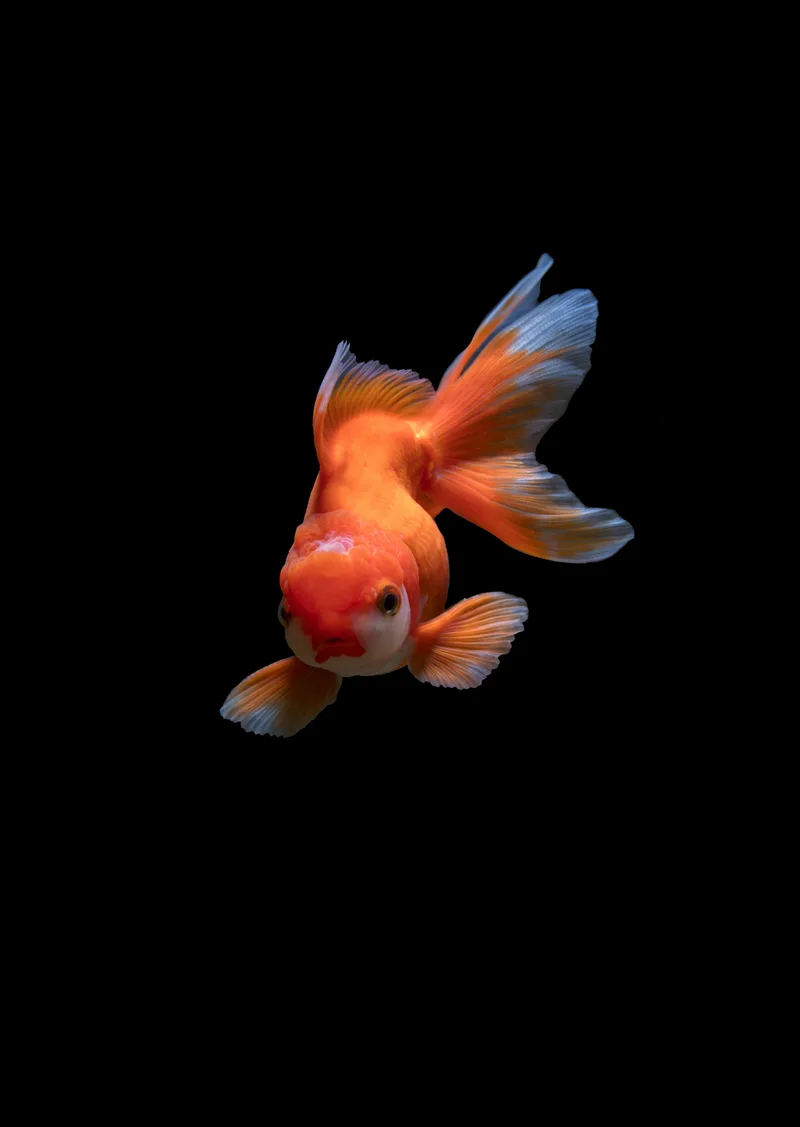
A well-kept goldfish in a filtered tank lives 10 to 15 years, and 20 or more is documented. Most goldfish die in a fraction of that time, not because the species is fragile but because a single missing piece in their setup, adequate filtration, quietly poisons them before they're anywhere close to old. If yours is in anything smaller than a 20-gallon tank with a properly sized filter, that's where the lifespan problem usually starts.
What Actually Determines How Long a Goldfish Lives?
Three variables matter more than anything else: filtration capacity, tank size, and water temperature.
Goldfish produce far more ammonia than most freshwater fish. A filter rated for a 30-gallon community tank will be overwhelmed by a single goldfish. Sizing your filter generously, at least double what the label suggests, is the single biggest thing you can do for your fish's lifespan.
Tank volume is tied to this directly. More water means waste dilutes more slowly, which gives your filter time to keep up. A single fancy goldfish (Orandas, Ryukins, Black Moors) needs at least 20 gallons. A common goldfish or comet (the long, single-tailed variety) needs 75 gallons or more. These aren't suggestions from hobbyists being overcautious. They're the minimums where water quality stays manageable long-term.
Temperature is the variable people underestimate. Goldfish are coldwater fish. Chronic temperatures above 72°F (22°C) push their metabolism faster than their systems can sustain over decades. Most homes sit warmer than this in summer, which is fine for short stretches, but a tank placed next to a heat vent or in a warm room will shorten your fish's life over years.
- Size your filter for at least double the stated tank capacity; goldfish produce more waste than the label assumes
- Provide at least 20 gallons per fancy goldfish, 75+ gallons for commons or comets
- Keep water temperature below 72°F (22°C) where possible, especially long-term
- Perform regular water changes (25% weekly) to stay ahead of nitrate buildup
Why Do Most Goldfish Die in Just a Few Years?
The short answer is ammonia, not disease or bad luck.
Goldfish are exceptionally high-waste fish. They produce roughly two to three times the ammonia of a comparably sized tropical fish. In a bowl, a small tank, or any setup with inadequate filtration, that ammonia accumulates faster than water changes can clear it. The fish isn't poisoned all at once. It's a slow accumulation that stresses the gills, weakens the immune system, and shortens life over months and years. By the time the fish visibly declines, the damage is already deep.
This is why the "goldfish are disposable" reputation exists. The fish isn't fragile. The setup is inadequate. A goldfish in a properly filtered, correctly sized tank is an entirely different animal than one in a bowl on a shelf.
Did you know? The oldest documented goldfish on record lived to 43 years. A common goldfish named Tish, from Thirsk, England, is listed in the Guinness World Records. The species is not inherently short-lived.
Does It Differ for Fancy Goldfish?
Yes, and the reason matters.
Fancy goldfish (the round-bodied varieties: Orandas, Ryukins, Black Moors, and Bubble Eyes) were bred for how they look, not for how well they function. The compressed, egg-shaped body that makes them distinctive also crowds the internal organs, including the swim bladder. This creates vulnerabilities that common goldfish and comets simply don't have: swim bladder disorders, organ compression, and a generally higher sensitivity to water quality fluctuations.
A well-cared-for fancy goldfish typically lives 10 to 15 years. Commons and comets, with their streamlined bodies and no organ crowding, can reach 20 to 30. If you keep fancies and they reach 12 or 13 years, that's not a sign something went wrong. That's a fish that was well cared for and reached a ceiling the breeding built in.
| Goldfish type | Typical tank lifespan | Note |
|---|---|---|
| Common goldfish / Comet | 15–30 years | Single-tailed; streamlined body has no organ crowding |
| Fancy varieties (Oranda, Ryukin, Black Moor, Bubble Eye, etc.) | 10–15 years | Round body crowds internal organs, especially the swim bladder |
Do Goldfish Live Longer in a Pond Than in a Tank?
Outdoor pond goldfish commonly reach 20 to 30 years, with some documented beyond that.
The reason isn't that ponds are more natural. It's that ponds provide water volume that most tanks can't match. In 500 gallons of water, waste dilutes slowly enough that the fish is rarely stressed by ammonia spikes. Natural temperature cycling in winter slows the fish's metabolism, reducing cellular wear over time. And an established pond ecosystem often has better biological filtration, through submerged plants, bacteria colonies, and natural processes, than a standard tank filter can replicate.
A large, well-filtered tank can get close to pond-level longevity. A 75-gallon tank with a quality canister filter and weekly water changes can give a common goldfish a very good life. But "excellent" in a tank requires deliberate effort, and outdoor goldfish in a pond have some structural advantages that no indoor setup fully cancels out.
What Signs Tell You a Goldfish's Health Is Declining?
If your goldfish is approaching middle age or you're trying to gauge how well your setup is working, a few physical signs give early warning before the fish is seriously ill.
Watch for lethargy. A fish that stays in one corner or rests near the bottom when it used to swim actively is a warning sign. Clamped fins, where the fins press close to the body rather than spreading naturally, often accompany this. Sitting at the surface and gulping air points to low dissolved oxygen or gill stress. Fading color, particularly in fish that have always been vivid, can signal chronic water quality problems or early disease.
None of these are diagnostic on their own, and some have simple fixes. A fish that dies young despite looking healthy often had water quality issues that never produced visible symptoms until it was too late.
10 to 15 years in a tank isn't the upper limit for a goldfish. It's the baseline for one that's been cared for correctly. The fish that arrive in bowls and die at two years aren't proving that goldfish are fragile. They're proving that filtration is non-negotiable. If your setup has the space and the filtration to match what this fish actually produces, the lifespan question has a real answer: a long time.