What is best to put at the bottom of a goldfish tank?
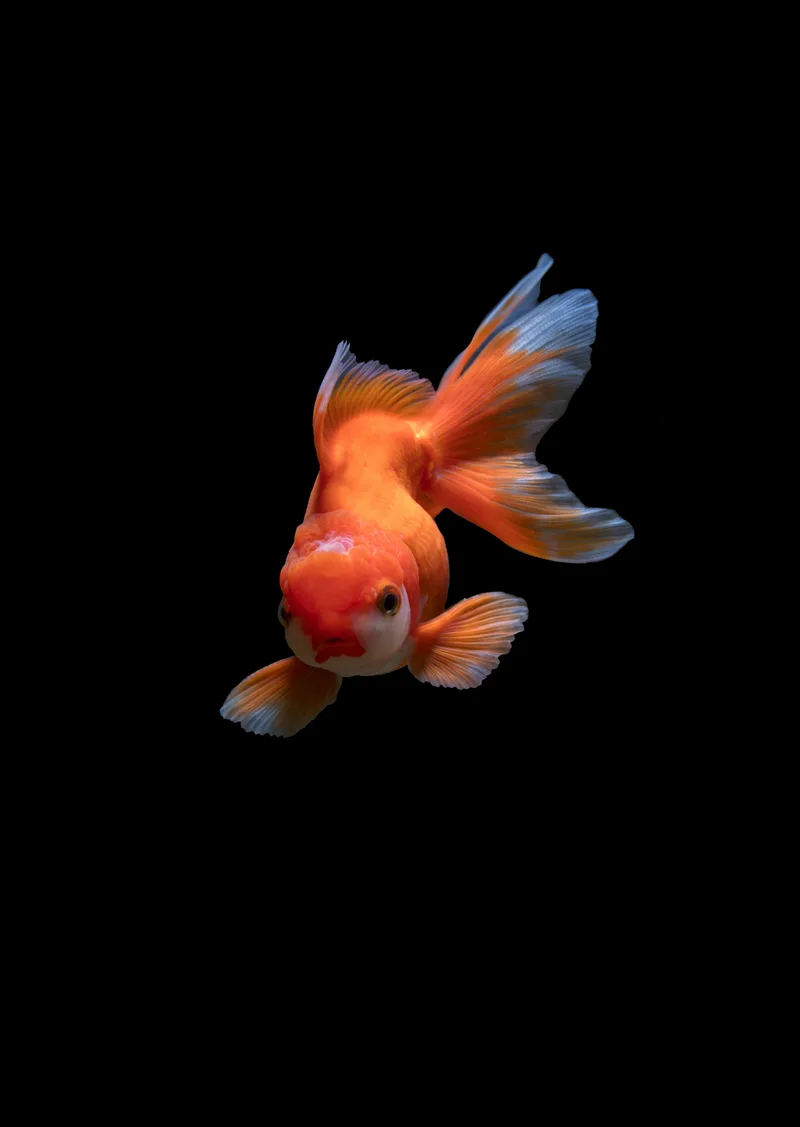
A thin layer of smooth, fine aquarium sand, about an inch deep, is the best bottom for almost every home goldfish tank. The reason is built into the fish: a goldfish feeds by sucking up a mouthful of substrate, sifting it through its gills, and puffing the rest back out, and sand is the only common bottom that move actually works on. Bare-bottom is a defensible runner-up if cleanliness comes first, especially with heavily-fed fancy goldfish. The one bottom to skip is small pea gravel, for a reason worth understanding before you stand in the substrate aisle.
How Much Sand Do I Actually Need, and What Kind?
About one inch is plenty. Spread it evenly across the bottom of the tank, no deeper. The reason for keeping it shallow is simple: a deep sand bed traps uneaten food and waste at depth, and once that pocket runs out of oxygen it goes anaerobic and starts producing hydrogen sulfide (the rotten-egg smell). At one inch, regular gravel-vac passes keep the layer clean and that never becomes a problem.
The grain matters as much as the depth. Look for smooth, rounded grains around 0.5 to 1 mm. Sharp or angular sand can scrape the slime coat and irritate the gill tissue when a goldfish puffs it back out. Two products that work well off the shelf:
- Pool-filter sand. Cheap, inert, already graded for size. Rinse it until the rinse water runs clear before it goes in.
- Aquarium-branded fine sand. More expensive, but pre-rinsed and labeled inert.
A short do/don't list of substrate options for a home goldfish tank:
- Smooth fine aquarium sand (do): the default, fits the foraging behavior, easy to keep clean at one inch.
- Pool-filter sand (do): the same answer at a fraction of the price.
- Large smooth river stones (do, with a caveat): too big to swallow, fine on goldfish skin, but food collects under and between them and you have to be deliberate about siphoning around them.
- Pea gravel (don't): the pieces are exactly the size goldfish try to swallow, and the smaller ones occasionally lodge in the mouth.
- Coral sand or crushed shell (don't): made of calcium carbonate, slowly dissolves into the water and pushes pH and hardness past goldfish-friendly ranges.
- Painted or coated decorative gravel (don't): the coating can flake over time and you end up with chips of unknown stuff in the water column.
Does the Answer Change if I Have a Fancy Goldfish?
Yes, it can. Many fancy varieties (orandas, ranchus, ryukins, bubble eyes) are negatively buoyant or close to it, meaning their body shape leaves them slightly heavier than the water around them. The day-to-day result is that they spend a lot of their time resting on the bottom or skimming along it instead of swimming mid-water like a common goldfish does.
That changes the substrate calculation, because the bottom is now a contact surface, not just something they sift over occasionally. Rough or sharp grains can scrape the skin, and they can also damage the delicate growths fancies are bred for: the wen on an oranda's head, the eye sacs on a bubble eye, the long fins on a ryukin. Smooth fine sand stays a safe choice. Glass stones (the round flat-bottomed ones sold for vases) are another option some fancy keepers like, since they are large enough not to be picked up and smooth enough not to abrade. A bare bottom works too.
This is a soft rule, not a hard one. Most fancy goldfish do completely fine on smooth sand, and you do not need to strip a tank down to glass on principle. The takeaway is just that with a fancy, you have less margin for error on grain quality, so picking the right goldfish type for your setup is worth checking before you commit to a substrate.
Why Sand and Not Gravel for a Goldfish?
Goldfish are descended from carp, and like their wild cousins they feed by sifting. Watch one over a sandy bottom and the move is unmistakable: they suck up a mouthful of substrate, work it through their gills, sift the edible bits with their gill rakers (the comb-like structures inside the gill arch), and puff the rest back out in a small cloud. It is one of the most satisfying things a goldfish does, and it only works on something they can actually pick up and pass through.
Sand passes through that process cleanly. The grains are small enough to flow through the gill rakers without snagging, and small enough to be ejected without irritating the mouth. Gravel does not work the same way. Pieces large enough to be safe are too big to pass through the foraging move at all, so the fish never gets to do it. The gaps between those large pieces also trap uneaten food and fish waste in a way that smooth sand does not, which matters because a goldfish puts out roughly twice the waste of a similarly-sized tropical fish. Pieces small enough to fit in the mouth are the worst of both worlds: too small to skip the foraging instinct, but big enough to occasionally lodge there.
Did you know? Watch a goldfish on sand for five minutes and you will see them pick up a mouthful, work their gills, and puff a little cloud back out. It is the same motion their wild ancestors used to find insect larvae and seeds in pond mud. The behavior is unprompted and unteachable. It is just what a goldfish does when there is something to sift.
One argument you will see in favor of gravel is that it grows beneficial bacteria for the nitrogen cycle. That is true on paper and overstated in practice. In any tank with a working filter, the filter media holds far more bacteria than the substrate ever will, and the substrate's contribution rounds to a rounding error. Pick the substrate on its merits for the fish, not on bacteria math.
Is a Bare-Bottom Tank Actually Better?
Bare-bottom genuinely wins on one thing: cleanability. There is no grain to vacuum around, leftover food and waste sit on bare glass where the siphon picks them up in seconds, and that cleanliness compounds in a tank with a heavy bioload. This is why nearly every serious fancy-goldfish breeder runs bare-bottom tanks. They feed hard, they want the water pristine, and the bottom of the tank is one less thing to manage.
The trade-off is real too. The fish loses the sifting behavior, which is one of the more interesting things it does. The tank looks more clinical, and the lack of a broken-up surface on the bottom means the fish has nothing to break up its own reflection against, which some keepers report as slightly more visual stress (you will see this most in a brightly-lit tank with light-colored walls).
For a first home tank, smooth sand is the right default. It is forgiving, the fish gets to forage, and one inch is shallow enough that cleaning is straightforward. Bare-bottom becomes the right call when keeping the water pristine takes priority over everything else: a heavily stocked fancy tank, a quarantine setup, a breeder's grow-out tank. Some people do a hybrid, which is also fine: a bare-bottom main tank with a few larger smooth stones or pieces of decor for visual interest.
The right bottom for your tank is not really a matter of taste. It is whichever choice respects two facts about the goldfish in front of you: they feed by sifting, and the heavier fancy varieties spend a lot of their day resting on it. Match the bottom to those two truths and the rest takes care of itself.