What is needed to keep a goldfish alive?
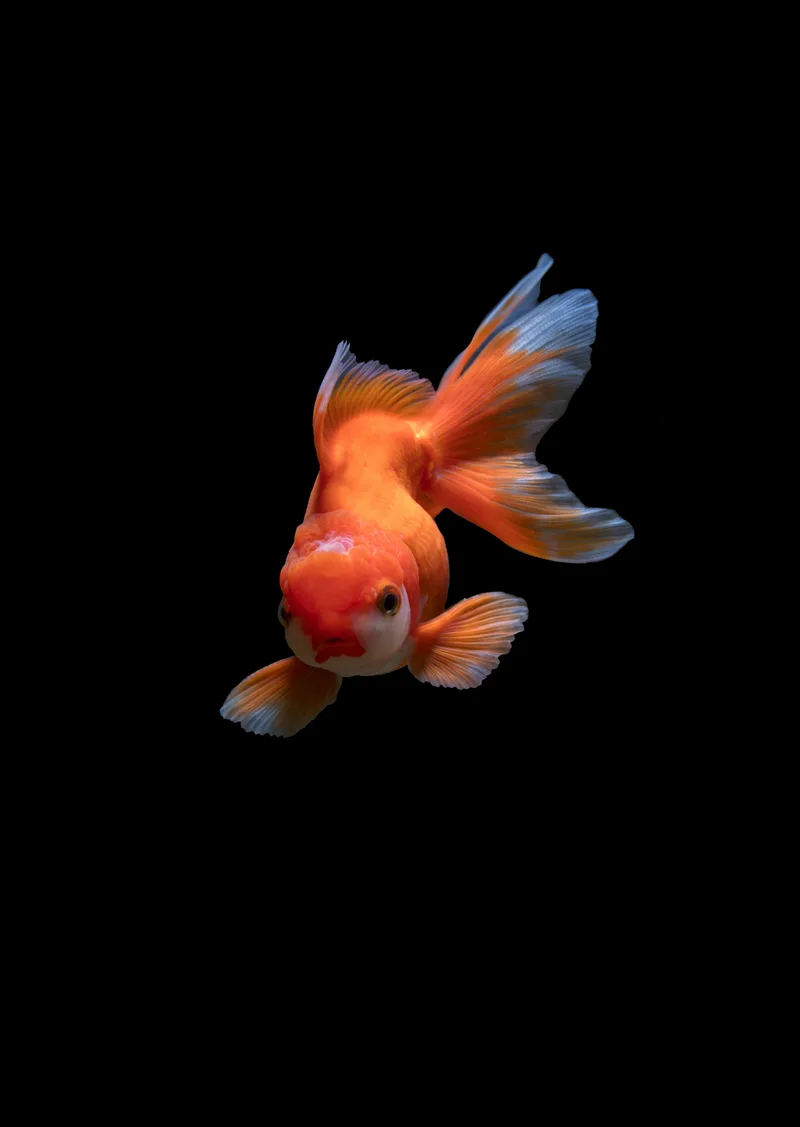
A goldfish needs four things: a tank of at least 20 gallons (75 L), a filter rated for two to three times that volume, cool dechlorinated water at 65 to 72°F (18 to 22°C), and a tank that has been cycled before the fish goes in. Most new goldfish die in their first few days, and almost never from neglect. They die from ammonia poisoning in a brand-new uncycled tank or bowl, which is the same problem in four shapes: the four basics collapse into one requirement, a stable cycled environment that a bowl physically cannot provide. With those four in place, the carnival fish in the plastic bag is a 10 to 15 year pet, sometimes 20 plus.
What Tank Size and Equipment Do I Actually Need?
For one fancy goldfish, plan on a 20-gallon (75 L) tank, plus another 10 gallons for each additional fancy. A common goldfish or comet needs 75 gallons (285 L) or more, because they grow to a foot long and swim like torpedoes. The number is not a luxury. It is the smallest volume that can dilute the waste a goldfish makes before that waste hurts it.
The filter should be rated for two to three times the tank's volume. Goldfish are heavy waste producers, so a filter sized "for a 20-gallon tank" will get overwhelmed in a 20-gallon goldfish tank. Oversize on purpose.
Skip the heater. Goldfish are coldwater fish and do best in the same room temperature most homes already sit at.
Here is the minimum kit:
- Tank. 20+ gallons (75+ L) for one fancy; 75+ gallons (285+ L) for a common or comet. Bigger is easier to keep stable.
- Filter. Rated 2 to 3 times the tank volume. Hang-on-back, canister, or a large sponge filter all work.
- Water conditioner. Treats tap water to neutralize chlorine and chloramine, which kill the bacteria you need (and stress the fish).
- Thermometer. Stick-on or digital. You need to know if the water is in the 65 to 72°F (18 to 22°C) range.
- Test kit. Liquid kit for ammonia, nitrite, and nitrate. Strips drift; liquid drops are the standard.
- Substrate. Smooth gravel or a bare bottom. Goldfish root around in the substrate, and sharp gravel can cut their barbels.
- Dechlorinated water. Tap water, treated. Bottled water and distilled water are not improvements.
That is the whole list. No salt, no special light, no air pump unless your filter is a sponge. The gear keeps the fish alive only because it makes the water keep the fish alive, which is the next thing.
Why Can't a Goldfish Just Live in a Bowl?
A goldfish in a bowl is a fish surrounded by its own slowly accumulating ammonia. Goldfish produce far more ammonia per inch of fish than tropical species do, partly because they eat constantly and partly because they are bigger than they look. In a 1-gallon bowl, a single goldfish can take ammonia to a level that burns the gills inside a day. Burned gills mean the fish cannot pull oxygen from the water, which is why the classic bowl-goldfish symptom is gasping at the surface.
The fix is not "change the water more often." The fix is the nitrogen cycle. In a healthy tank, two kinds of beneficial bacteria colonize the filter media and the substrate. The first kind eats ammonia and turns it into nitrite (also toxic). The second kind eats nitrite and turns it into nitrate (mostly harmless at low levels, removed by water changes). Once both populations are established, the tank processes the fish's waste continuously, in the background, on its own.
A bowl cannot host that cycle. There is no filter for the bacteria to live in, no consistent water flow, and not enough surface area for a colony to establish. Even a "filtered bowl" almost always undersizes both volume and filtration to the point that the cycle stalls. The 20-gallon rule is really a 20-gallon rule for the bacteria, not for the fish.
Did you know? A common goldfish named Tish, owned by a UK family from 1956 to 1999, lived to 43 years old and holds the record for the longest-lived goldfish. The fish that actually reach those ages are almost always in ponds or tanks of 50 gallons or more with strong filtration. Never in bowls.
How Do I Cycle the Tank Before Adding the Fish?
Cycling the tank means growing the bacteria colony before the fish arrives, so the water is already processing waste from day one. The cleanest way to do it is a fishless cycle: set up the tank with conditioned water, run the filter, add a small ammonia source, and wait.
The ammonia source can be pure household ammonia (no surfactants, no perfume) or a pinch of fish food that breaks down into ammonia as it rots. Aim for an ammonia reading around 2 to 4 ppm. Test every few days. Within a week or two you will see ammonia start dropping and nitrite climbing. A few weeks after that, nitrite drops and nitrate appears. When ammonia and nitrite both read zero within 24 hours of dosing ammonia, and nitrate is on the kit, the tank is cycled. Most fishless cycles take 4 to 6 weeks.
A bottle of live nitrifying bacteria (Tetra SafeStart, Seachem Stability, Dr. Tim's One and Only) can shorten this. Dose it per the label and test daily. It does not replace cycling, but it can cut the time roughly in half.
If a fish is already home and the tank is not ready, you are running a fish-in cycle by necessity. The fish supplies the ammonia. Your job is to keep ammonia and nitrite low enough that they don't injure it. Test daily, do a 25 percent water change with conditioned water any time ammonia or nitrite hits 0.25 ppm, and feed lightly. The cycle still takes weeks; the fish just lives through it.
| What the test kit shows | What it means and what to do |
|---|---|
| Ammonia above 0.25 ppm, nitrite at zero | Cycle has barely started, or your fish-in cycle is behind. Do a 25 to 50 percent water change now. Feed lightly. |
| Ammonia dropping, nitrite climbing | First bacteria colony is established; second is catching up. Halfway there. Keep dosing or feeding lightly. |
| Ammonia at zero, nitrite still positive | The hard middle of the cycle. Almost done. Don't add fish yet. |
| Ammonia and nitrite both zero, nitrate present | Cycle complete. Add the fish (or stop dosing ammonia and do a water change before the fish goes in). |
What's the Ongoing Routine Once the Tank Is Set Up?
Once the tank is cycled, weekly maintenance is most of the work. Change 20 to 30 percent of the water with conditioned, temperature-matched water. A gravel vacuum lifts food and waste out of the substrate while it siphons. Test ammonia, nitrite, and nitrate before the change; you want zero ammonia, zero nitrite, and nitrate under 40 ppm. If nitrate is creeping up week over week, your water changes are too small.
Feed twice a day, only what the fish finishes in about two minutes. Overfeeding is the second most common reason new goldfish die after uncycled water. The food they don't eat rots into ammonia and overwhelms the cycle.
Watch the fish, not the clock. The early signs of a water-quality problem look like behavior changes: clamped fins held tight against the body, sitting on the bottom for long stretches, gasping at the surface, or refusing food. Those are the test kit asking to be used. They are almost never personality. With the four basics handled and the weekly routine in place, the goldfish you panicked about in a plastic bag at the fair is a fish that may outlive your dog, and the work is mostly already done.