Do goldfish destroy aquarium plants?
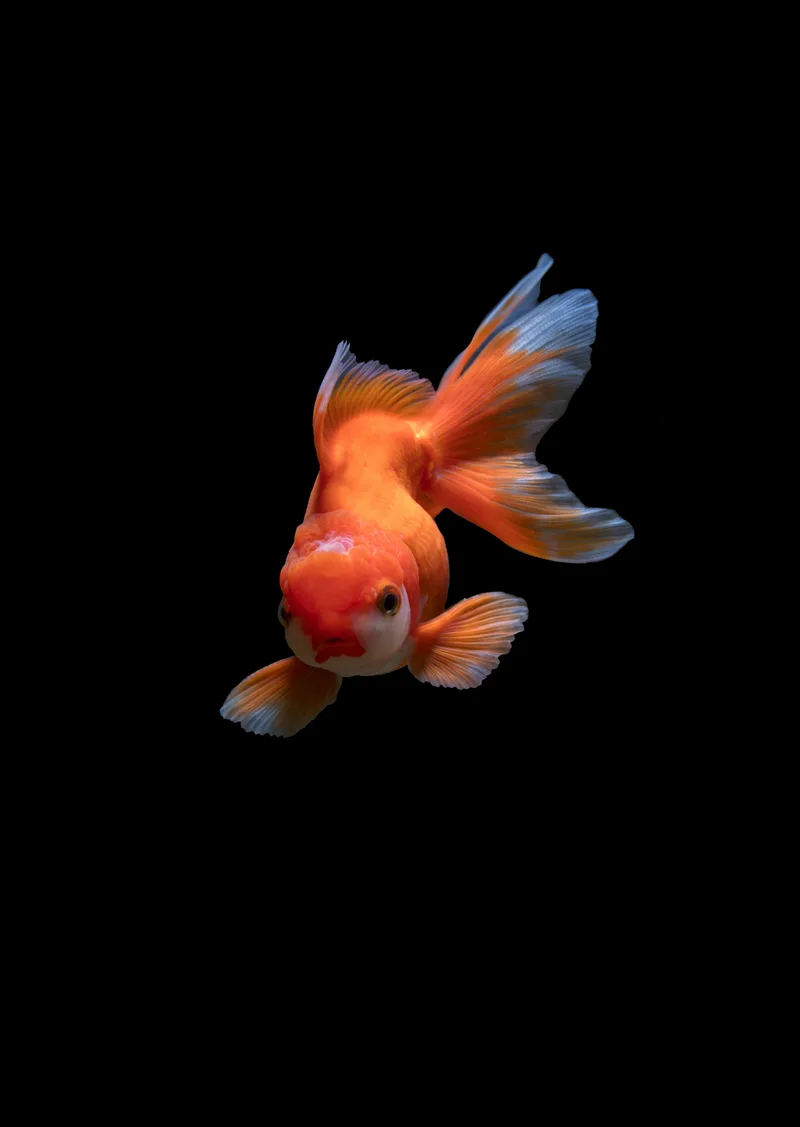
A fancy oranda mouthing the edge of an anubias leaf and a 10-inch comet plowing through a bunch of cabomba are the same question with two completely different answers. Most goldfish will nibble, uproot, or outright eat most aquarium plants, and that isn't bad behavior. They are cyprinid omnivores doing what they are built to do. The damage gets predictable once you know three variables: which goldfish, which plant, and how well-fed the fish is.
Which Plants Actually Survive a Goldfish Tank?
The shortlist is small but reliable. Anubias, java fern, crinum, bolbitis, and marimo moss balls hold up because they share two traits: thick, tough tissue that does not register as food, and a habit of attaching to hardscape instead of sitting in the substrate. Vallisneria is the one rooted plant that often makes it through, mostly because its leaves are long, fibrous, and well-anchored once established.
Skip anything with soft, fine, or stem-based foliage. Cabomba, hygrophila, ludwigia, rotala, and dwarf hairgrass are on every plant-killer list for the same reason: their leaves are tender enough to read as food, and stem plants have shallow root systems that come loose the moment a goldfish starts foraging.
The trick with the survivors is how you plant them. Tie anubias and java fern to driftwood or rocks with thread or super glue gel. Wedge bolbitis into a crevice. Set marimo balls on the substrate and let the goldfish bump them around. Crinum bulbs go into the substrate but want a ring of larger rocks around the base to stop the digging. Vallisneria needs a few weeks of being left alone to root; surround the new plantings with stones for the first month and most of them will hold.
| Likely to survive | Likely to lose |
|---|---|
| Anubias (thick leaves, tough rhizome, attaches to hardscape) | Cabomba (soft, feathery leaves register as food) |
| Java fern (tough, leathery leaves, attaches to hardscape) | Hygrophila (tender leaves and shallow stem roots) |
| Crinum (large, fibrous leaves and a bulb that's too big to swallow) | Ludwigia (soft stem plant, comes up in one tug) |
| Bolbitis (tough fronds, attaches to hardscape) | Rotala (delicate stems, shreds quickly) |
| Marimo moss ball (dense algae ball, not recognized as food) | Dwarf hairgrass (fine blades pull out in clumps) |
| Vallisneria (long, fibrous leaves, well-anchored once established) | Most rooted stem plants (shallow roots fail under foraging) |
Does It Depend on What Kind of Goldfish You Have?
It depends a lot, and this is the variable most plant guides skip. Fancy varieties and slim-bodied goldfish are not the same fish from the plant's point of view.
Fancies (oranda, ryukin, fantail, black moor, telescope) are slow, round-bodied, and not built for sustained chasing or aggressive digging. They will still pick at soft leaves, but they cannot plow through a substrate the way a streamlined fish can. With fancies, your plant options open up considerably. Vallisneria, swords, and even some softer plants get a real chance.
Commons and comets are the streamlined originals: strong-bodied, fast, and built to forage. They root through substrate the way they would in a pond, and they do it constantly. A 10-inch comet is a serious mechanical load on any planted setup. With commons, treat plants as a hardscape problem first. Anything that isn't tied down or attached to wood is going to come up eventually.
Size matters on top of body type. A 2-inch juvenile and a foot-long adult are not the same plant pressure even within the same variety. A young oranda may leave plants alone for a year and start uprooting things at five inches. Plan for the adult, not the fish currently in the tank.
Why Do Goldfish Eat or Uproot Plants in the First Place?
Two different behaviors get lumped together as "destroying plants," and they have different causes.
The first is eating. Goldfish are omnivorous cyprinids, which means soft plant matter is in their natural diet alongside invertebrates and detritus. Tender leaves register as food the same way blanched zucchini does. The fish is not being destructive, it is recognizing something edible and acting on it.
The second is uprooting, and this one has nothing to do with hunger. Goldfish forage by grubbing through substrate, sifting it through their gills for whatever soft material it contains. The digging is the foraging behavior itself, not a side effect of looking for food. A well-fed goldfish in a bare-bottom tank will still mouth the substrate if you give it any. It is what cyprinids do.
A goldfish that gets enough plant matter in its diet (blanched spinach, peas, zucchini, or a gel food with greens) is measurably less inclined to graze the tank. The effect is real but partial. It softens the damage; it does not stop the behavior. The same is true of training in general. This is not a habit you can correct, because it isn't a habit. It is built in.
Did you know? Goldfish are descended from the Prussian carp (Carassius gibelio), a species that survives in cloudy, plant-choked ponds partly by rooting through mud for whatever it can find. A thousand years of selective breeding for color and body shape did almost nothing to the foraging instinct. The fancy oranda picking at your java fern is doing exactly what its wild ancestor did in a Chinese rice paddy.
What About Floating Plants, Do Those Survive?
Floating plants sidestep the whole uprooting problem, because there is nothing to uproot. Frogbit, water lettuce, duckweed, and hornwort left to drift at the surface stay out of reach of the digging behavior entirely. Goldfish will still pick at the dangling roots, but the plants grow fast enough that the nibbling becomes accepted collateral rather than slow death. For commons and comets in particular, floating plants are often the only setup that works reliably, and a thick mat of frogbit or water lettuce will outpace the picking faster than any rooted plant can outgrow the digging.
None of this is the goldfish doing something wrong. The fish you are watching pick at your plants is the same fish, more or less, that has been rooting through pond bottoms for a thousand years. Your job is not to correct that. It is to pick plants and a setup that work with it.