How long will a goldfish live in a bowl?
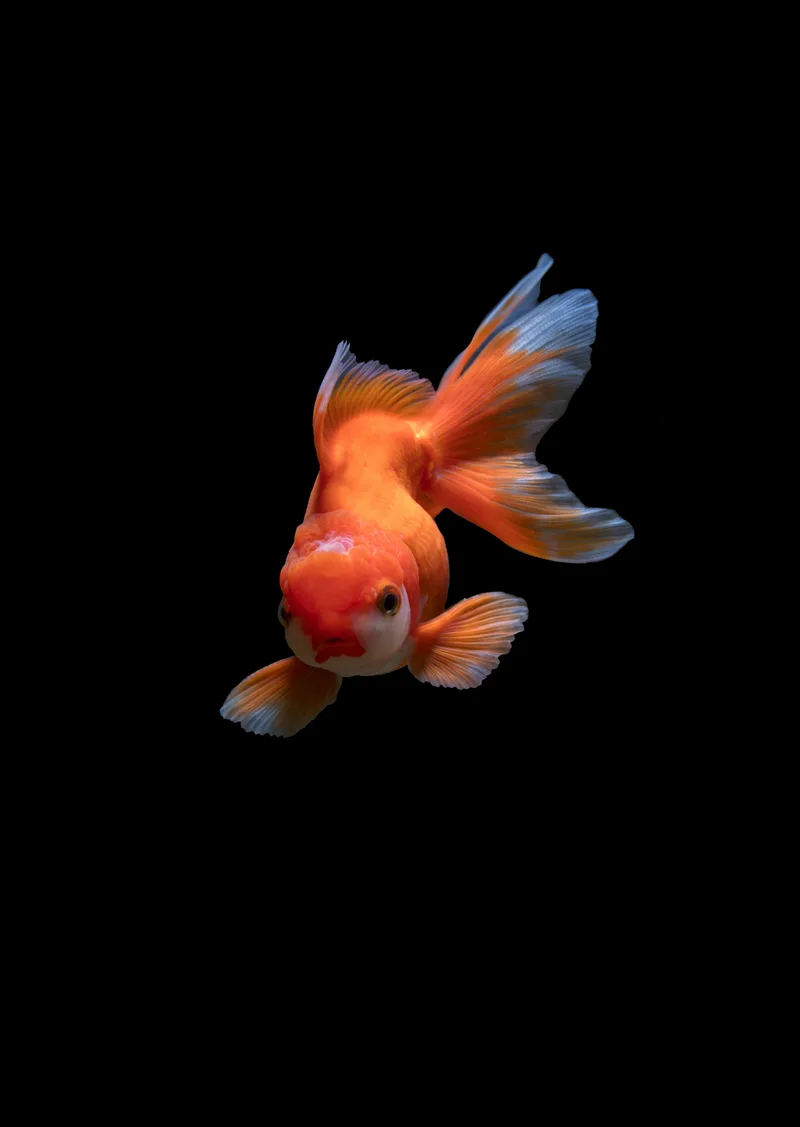
A goldfish kept in a bowl usually lives only one to three years, while the exact same fish in a filtered tank routinely lives 10 to 15 years and sometimes past 20. The bowl is doing the damage, but not in the way most people picture. It isn't the cramped space pressing in on the fish. It's the water: a tiny, unfiltered volume where invisible ammonia from the fish's own waste builds up fast and oxygen runs low. Pin down exactly what the water is doing, and you find that most of the gap between one year and a decade is fixable.
What Actually Cuts a Bowl Goldfish's Life Short?
A bowl holds maybe one or two gallons of water, with no filter running. Your goldfish eats, and what it eats comes back out as waste, and that waste breaks down into ammonia. In a tank with a filter, colonies of bacteria living in that filter convert ammonia into far less harmful compounds around the clock. In a bowl, there's nowhere for the ammonia to go. It just accumulates between water changes, and ammonia burns gill tissue even at levels you can't see, smell, or test for without a kit. The fish isn't dying of old age. It's being slowly poisoned by water that looks perfectly clear.
The second problem is air. Fish breathe oxygen that dissolves into the water from the surface, and the amount of surface a vessel offers is what controls how much oxygen gets in. A bowl curves inward at the top, so the actual surface where water meets air is small, often smaller than the widest part of the bowl. A goldfish is a high-output fish that needs a lot of oxygen, and a narrow bowl opening simply can't keep up. So on top of the ammonia, the fish is often short on air.
None of this is the goldfish doing anything wrong. Goldfish are messy because they evolved as foraging pond fish, built to root through sediment and eat more or less constantly in a large body of water that diluted and processed everything they produced. Drop that same biology into a one-gallon bowl and the waste has no room to disperse. The fish is behaving exactly as it's built to. The bowl just can't absorb it.
Did you know? The oldest recorded goldfish, named Tish, was won at a UK fairground in 1956 and lived 43 years. That's not a typo. The same kind of fish sold as a throwaway prize is capable of outliving the family dog several times over, given water it can actually survive in.
My Goldfish Is Already in a Bowl. What Do I Do Now?
If your goldfish is in a bowl right now, you can buy it real time while you figure out the next step. The single most useful thing you can do is change part of the water often. A small change every day or two keeps the ammonia from ever building up to dangerous levels, which is exactly the harm you're working against. Use room-temperature water treated with a dechlorinator (a cheap bottle from any pet store that neutralizes the chlorine in tap water, which is harmful to fish). Feed lightly, because every flake in means more waste out, and a goldfish will happily eat far more than it needs. And keep the bowl somewhere cool and out of direct sunlight, since warm water holds less oxygen and sunlight grows algae fast.
- Change a portion of the water every day or two, using room-temperature water treated with dechlorinator.
- Feed sparingly, only a small pinch, and skip a day now and then. Less food in means less ammonia out.
- Keep the bowl somewhere cool and out of direct sun.
- Don't add any more fish. The bowl is already over capacity with one.
- Start planning the move to a real tank. This is the only thing that actually fixes the problem.
Everything on that list slows the harm. It doesn't stop it. The water in a bowl will always be working against your fish, no matter how diligent you are, because the volume is too small and there's no filter doing the work for you. The fix that changes the lifespan number is moving the goldfish into a filtered tank of the right size, and the right size for a goldfish is bigger than most people expect. Before you buy anything, it's worth knowing how big a goldfish tank actually needs to be, because an undersized tank runs into the same water problems as the bowl, just more slowly.
Does a Bigger or Filtered Bowl Change the Answer?
A filter genuinely helps, and it helps for the exact reason the bare bowl fails: it gives those ammonia-eating bacteria a home, so the waste gets processed instead of piling up. A bowl with a small built-in filter is a real step up from a bare one, and your fish will be measurably better off in it. So yes, filtration changes the picture more than size alone does.
But it doesn't change the ending. The shape of a bowl caps two things at once: the surface area where oxygen gets in, and the total volume of water available to dilute everything. A goldfish keeps growing, and a healthy one grows fast, and it will outgrow what any bowl-shaped vessel can support long before it reaches its full size. A filtered bowl is a reasonable short-term home for a small young goldfish. It is not a place a goldfish lives out its life. Think of it as a holding spot, not a destination.
How Long Does the Same Goldfish Live in a Proper Tank?
Move that fish into a filtered tank of the right size and the lifespan changes completely. Fancy varieties like orandas and fantails commonly live 10 to 15 years. Hardy commons and comets often go longer, sometimes well past 20. The reason is simple once you've seen what was killing them in the bowl: stable, oxygenated, low-ammonia water lets a goldfish actually age instead of being slowly stressed to death. The filter handles the waste, the larger surface keeps oxygen up, and the bigger volume smooths out the daily swings that batter a fish in a bowl.
The bowl was never really the enemy, and your goldfish was never the problem. It was the water all along. Get the water right, and the fish you were told to expect a year out of turns out to be a decade-plus companion that was capable of it the entire time. If you want the fuller picture of what cuts goldfish lives short beyond the bowl itself, the same water-first thinking carries through almost all of it.