Do goldfish need rocks in their tank?
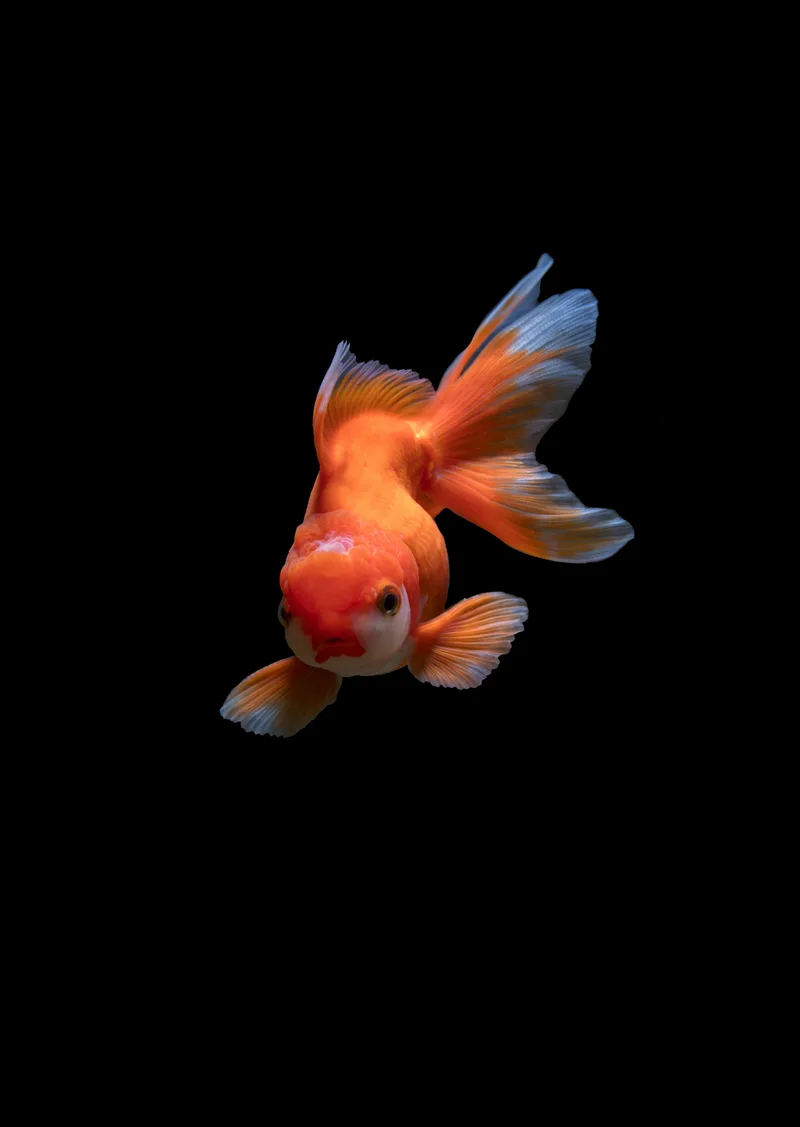
No. Goldfish do not need rocks, and most professional goldfish breeders run their tanks with nothing on the bottom at all. If you want substrate for the way it looks, fine sand or smooth pebbles clearly larger than the fish's mouth are both safe choices. The size in between, the bag of pea-sized gravel sold as "natural aquarium gravel" at every pet store, is the one that lands goldfish at the vet.
What's the safest substrate if you do want one?
There are three setups that work, and one to stay away from. Pick whichever you like the look of, then stay out of the danger zone.
- Bare bottom. No substrate at all. Easiest to clean, zero choking risk, and what most professional goldfish breeders run. Uneaten food and waste sit on glass where you can siphon them off in seconds.
- Fine aquarium sand. Grain size under 1 mm. Goldfish can take a mouthful, work it for anything edible, and spit the rest back out the same way they would in the wild. Sand looks soft and natural and won't get a fish in trouble.
- Smooth rocks or pebbles clearly larger than the goldfish's mouth. For an adult fancy, that means roughly thumb-sized or bigger. The piece has to be too large to fit through the mouth at all, not just hard to swallow. A safe rule of thumb is anything 3/4 of an inch or larger.
What to avoid is small to medium gravel and pea gravel, the bag at the pet store labeled something like "natural aquarium gravel" with stones in the 3 to 8 mm range. That is the size that gets stuck.
Is a bare-bottom tank really fine for goldfish?
Yes, and it isn't a compromise. Bare-bottom tanks are what serious goldfish breeders run on purpose, because goldfish produce more waste than almost any commonly kept aquarium fish. With nothing on the glass, every uneaten pellet and every clump of waste is visible, and a quick pass with a siphon during your weekly water change picks it all up. Substrate makes the same job slower and less thorough.
The tradeoff is that the tank looks more clinical, and the fish loses a surface to forage over. Neither affects the fish's health. If the bare glass bothers you visually, some keepers paint or apply a frosted film to the outside of the tank's bottom panel for a softer look without putting anything risky inside the tank.
Why is small gravel actually dangerous?
The danger is built into the way goldfish find food. In the wild, goldfish and their carp ancestors feed by sifting through sediment for whatever is buried in it: insect larvae, plant matter, soft-bodied invertebrates. They take a mouthful of substrate, work it inside the mouth, and spit the inedible bits back out. The wide, downturned mouth is the tool. It is also, for an aquarium fish working through a layer of pea gravel, the trap. A 3 to 8 mm stone fits in cleanly and then can't always come back out, and a single trapped pebble can lodge against the bones of the throat.
This is one of the more common goldfish vet emergencies, and it sits in a strange place: the same forager-mouth design that makes goldfish so good at finding food in murky water is what gets them stuck. Sand passes through the same process without any drama because each grain is small enough to cycle freely. A 3 mm pebble is the worst possible size, big enough to wedge and small enough to look like food.
Most ingested substrate passes through the fish harmlessly; the emergency is specifically when a piece gets caught in or behind the mouth. Here is what to watch for if your fish has been working a gravel bottom:
- Mouth held open or visibly gaping, sometimes with a stone visible inside.
- Repeated unsuccessful spitting motions, the fish flaring its gills and trying to clear something.
- Refusing food, especially after a normal appetite the day before.
- Lethargy paired with hanging at the surface or sitting on the bottom.
- A sudden change in how the fish carries itself, like swimming with the head tipped at an unusual angle.
If you can see the rock and reach it, gentle removal with damp fingers or fine tweezers is the right move; a wet hand is much less stressful for the fish than a dry one. If the stone is out of reach or the fish is in obvious distress, call an aquatic vet rather than waiting it out. The window for clean removal is short.
Do goldfish need plants or other decorations either?
Same answer, same logic. Goldfish do not need plants, driftwood, or ornaments to be healthy. Anything you add is for your enjoyment of the tank, with the same baseline rule: nothing small enough for the fish to swallow, nothing sharp enough to tear a fancy goldfish's trailing fins. If you have decided you do want substrate after reading this, the question of what is best to put at the bottom of a goldfish tank opens up a wider set of options that depend on whether you are also planning to keep live plants. The fish itself is asking a much smaller question of the tank floor than you are: is this food, and if not, can it hurt me. Strip the tank to what is safe and easy to clean, and let any beauty come second.