Why shouldn't you keep goldfish in a bowl?
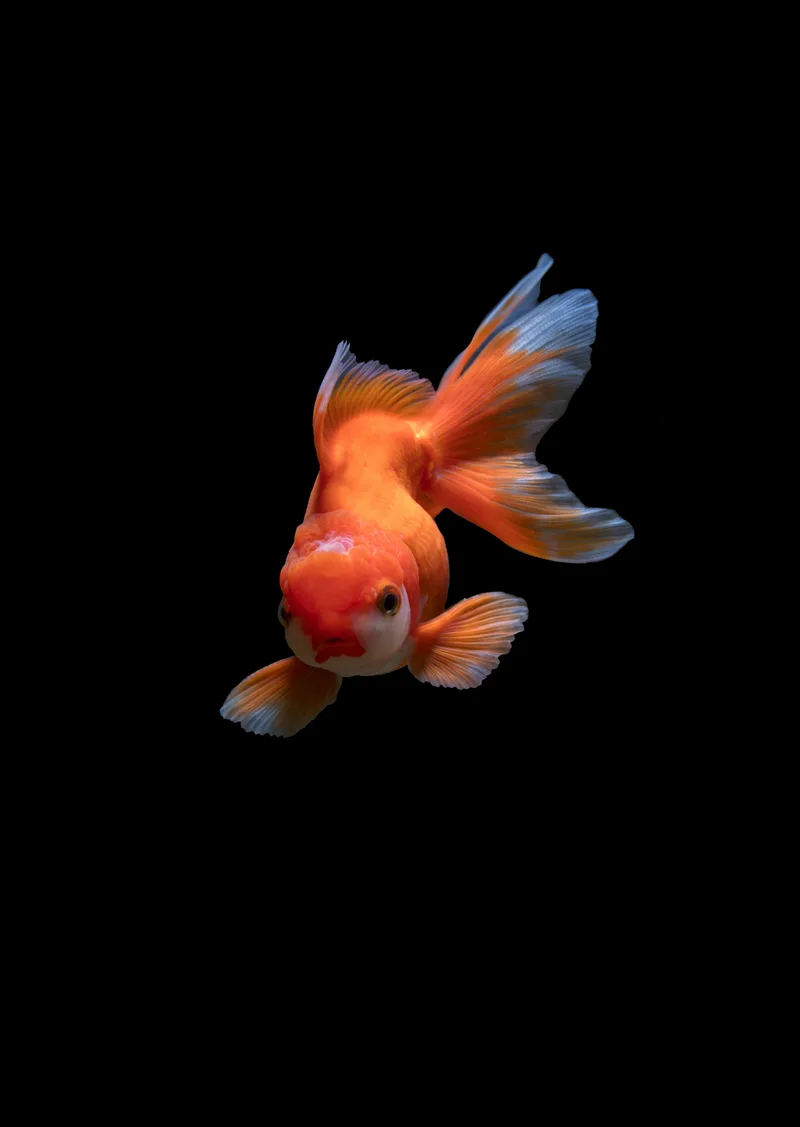
A goldfish in a proper tank lives 10 to 15 years. The same fish in a bowl usually lasts months. The familiar line that a goldfish "grows to the size of its tank" is not a friendly feature of the species. It describes how the bowl kills it: the body stunts under its own hormones while the heart, liver and kidneys keep developing on their original schedule. The fix is cheap and the rescue is straightforward, but the four physical failures behind it are worth knowing before you pick up the next tank.
How Do I Know If My Bowl-Kept Goldfish Is Already in Trouble?
Goldfish are tough animals, and part of what makes a bowl so dangerous is that a sick goldfish often looks normal until quite late. The signs below are the ones worth watching for. If you see one, it is usually a sign of stress rather than a death sentence, and most of them reverse once the water gets better.
- Gasping at the surface. The fish hangs near the top with its mouth breaking the water, sometimes making small popping motions. Almost always low oxygen or ammonia burn. Treat it as urgent and do a water change today.
- Clamped fins. The tail and side fins are held close to the body instead of fanned out. A general stress signal. Not an emergency on its own, but it means the water is not right.
- Hanging listlessly at the bottom. Especially on its side, leaning against the glass, or resting on the gravel for long stretches. Common with ammonia stress and cold shock. Worth acting on the same day.
- Red or inflamed gills. Lift a gill cover gently and look. Bright red or raw-looking tissue is ammonia burn. Partial water change now, and keep changing water until the fish is in a proper tank.
- Refusing food for more than a day or two. A single missed meal is nothing. Two or three days of ignoring food, especially with any of the signs above, is a real warning.
- Sudden color loss. Orange fading to pale yellow, or patches of silvery-white where there was color yesterday. Often ammonia or prolonged stress. Not urgent on its own but a strong nudge to act.
- Rapid gill movement. The gill covers pumping visibly faster than usual. The fish is working hard to get oxygen out of the water. Move the fish to better water as soon as you can.
One sign on its own can be a bad day. Two or three together, especially gasping with red gills, means the water chemistry has tipped and the fish needs cleaner water quickly.
What Should I Actually Do If My Goldfish Is in a Bowl Right Now?
The rescue is more straightforward than it looks. Nothing here requires a biology degree, and the whole setup can be done for under a hundred dollars at most chain pet stores. Work through the "today" items first, then plan the "this week" items around your next trip to the store.
Today:
- Do a partial water change. Swap out about a third of the bowl water for fresh tap water of the same temperature, treated with a dechlorinator (any bottle labeled "water conditioner" at the pet store does the job). This is the single most useful thing you can do right now.
- Cut feeding in half. Bowl-kept goldfish are almost always overfed, and uneaten food is the biggest source of the ammonia that's stressing the fish. Half a pinch once a day is enough for a small goldfish for the next week.
- Move the bowl off any direct sunlight, radiators, or drafty windows. Goldfish tolerate a slow temperature change much better than a fast one, and a bowl on a sunny sill can swing 10 degrees in an hour.
- Skip any "aquarium salt" or medications you might have around. They will not fix a bowl, and most of them make the water harder to manage, not easier.
This week:
- Pick up a tank. Twenty gallons minimum for a single fancy goldfish (the round-bodied ones: orandas, ryukins, telescopes). Seventy-five gallons for a single common or comet (the long-bodied ones that look like the fish on the pet-store sign). A standard 20-gallon long is under forty dollars at most chain stores.
- Add a filter rated for at least four times the tank volume. Goldfish are waste machines and a filter rated "up to 20 gallons" will be badly undersized for a 20-gallon goldfish tank. Aim for one rated 75 to 100 gallons.
- Start the tank cycling. Cycling is just growing the bacteria that turn fish waste into something harmless, and it takes two to four weeks. Add a bottled bacteria starter (Tetra SafeStart, Seachem Stability, or similar) and test ammonia and nitrite daily with a liquid test kit.
- Move the fish once ammonia and nitrite both read zero. Not before. Match the temperatures of the bowl and the tank before the transfer by floating the bowl in the tank for fifteen minutes.
A proper goldfish tank needs a dark, fine-grained substrate, gentle lighting, and a water temperature in the mid-60s to low 70s to support a fish that lives a decade or more.
What's Actually Going Wrong in the Bowl?
The four failures named in the opening all trace back to the same underlying mismatch: a goldfish is a large, high-metabolism, coldwater fish being asked to live inside a container designed for looking at, not for living in. Each failure is worth understanding on its own.
Oxygen. Oxygen enters water at the surface, and the amount that gets in depends on how much surface there is, not how deep the water goes. A bowl is shaped exactly wrong for this: wide in the middle, narrow at the top. A ten-gallon rectangular tank has roughly four times the surface area of a ten-gallon bowl, which is why the same amount of water can hold a fish in one and suffocate it in the other. Goldfish also need more oxygen per gram than most tropical fish because they're big and active, so the deficit compounds.
Waste. Goldfish have short, simple intestines and eat almost continuously when food is available. Their bodies process food poorly and pass most of it out as ammonia, which is directly toxic to gill tissue. In a filtered tank, a colony of bacteria converts that ammonia into nitrite and then nitrate, which is far less harmful. A bowl has no filter, no colony, and a tiny water volume to dilute what comes out of the fish. Ammonia rises to stressful levels within days of the last water change, and the fish lives in a state of low-grade chemical burn.
Temperature. A small water volume tracks room temperature closely. The bowl on your desk is 72 degrees Fahrenheit in the morning, 78 in the afternoon sun, 68 overnight when the heating clicks off. Goldfish are a coldwater species and their immune system is tuned for stable temperatures in the 65 to 72 degree range. Big, fast swings suppress that immune response, and the fish becomes more susceptible to the opportunistic infections (fin rot, ich, bacterial ulcers) that bowl water is already full of.
Size. Common goldfish and comets routinely reach 10 to 14 inches in a proper home, and fancy goldfish reach 6 to 8. The old line that a goldfish "grows to the size of its tank" is not a friendly feature of the species. It's a description of stunting: the body stops growing because of hormones the fish releases into the small water volume, but the internal organs keep developing on their original schedule. The heart, the liver, the kidneys end up packed into a body that's too small for them, and the fish dies young of organ failure. The bowl produces a fish that looks fine and is not.
Did you know? The goldfish bowl image people recognize today traces back to Chinese porcelain bowls from the Song dynasty, where goldfish were bred as pond ornaments and only briefly displayed indoors in decorative vessels. The bowl was never meant to be permanent housing. It was the fish equivalent of a picture frame, meant to show off a prized individual for an afternoon before returning it to the pond.
How Big Does a Goldfish Tank Actually Need to Be?
Once the bowl is out of the picture, the question shifts to how much water the fish actually needs. A reasonable starting rule is 20 gallons for one fancy goldfish and 10 more gallons per additional fish, or 75 gallons for a single common or comet with 25 more per additional. Those numbers look high next to a bowl, but they aren't about swimming room. A bigger water volume dilutes ammonia faster than a small one can, and it holds more dissolved oxygen for a fish that needs a lot. The tank size and the filter size are both really about giving you enough chemical headroom to keep up with a messy, oxygen-hungry animal.
The goldfish given a proper tank is a quiet, watchful pet that lives 10 to 15 years and comes to recognize the person who feeds it. The same fish in a bowl usually lasts months. That is not a moral observation, it's a physical one, and it's why the jump from bowl to tank is worth making even if the setup feels oversized the first time you fill it. The exact tank size your goldfish needs depends on the variety, the group size, and whether you plan to keep tankmates, with fancies needing less water than commons and every additional fish adding 10 to 25 gallons. A goldfish in a bowl typically survives only a few months to a year or two, while the same fish in a proper tank routinely lives past a decade.