What are common beginner goldfish mistakes?
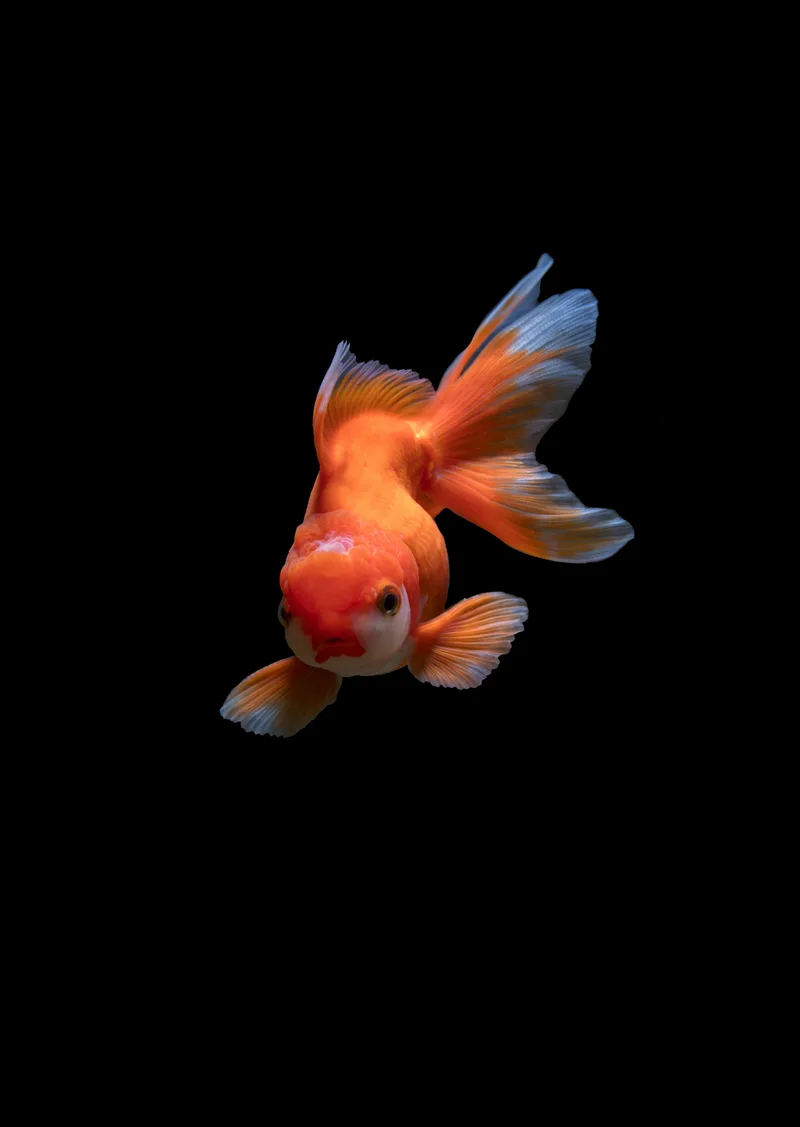
The mistake that kills the most beginner goldfish isn't overfeeding or skipping a water change. It's the bowl. Nearly every beginner goldfish death traces back to a short list of predictable mistakes, and almost all of them start with the same one: treating a large, long-lived, heavy-waste coldwater fish like a small, disposable bowl fish, in a container so small it makes every other problem worse. If you recognize yourself in any of this, the situation is almost always fixable, and a goldfish you set up right will outlive most of the expectations you started with.
Keeping a goldfish in a bowl or a tank that's far too small
This is the mistake that drives most of the others, so it's worth getting right before anything else. A goldfish bowl looks like the natural home for a goldfish, but it's one of the worst things you can put one in.
Goldfish get big. A single fancy goldfish (the round-bodied kind, like a fantail or oranda) needs about 20 gallons of water, and the slim, fast types (common goldfish and comets) need 75 gallons or more, because they grow to somewhere between 6 and 14 inches given the room to do it. That little inch-long fish from the pet store is a juvenile, not its final size.
The water volume matters for a reason that isn't obvious at first: it's not really about swimming room. A goldfish produces an enormous amount of waste, and that waste turns into ammonia, which is toxic to the fish. In a big tank, all that water dilutes the ammonia and keeps the chemistry stable. In a bowl, the same waste is concentrated into a cup or two of water, so the water turns poisonous fast and there's no buffer to slow it down. More water is more forgiveness. A bowl gives you none.
If you want the concrete numbers for your specific goldfish, the right tank size for each goldfish type depends on whether you've got a fancy variety or a slim common.
Adding the fish before the tank has cycled
A brand-new tank can't keep a fish alive yet, even when the water looks perfectly clean. The reason is invisible, and it's the one almost no beginner hears about until it's too late.
A healthy tank runs on a colony of beneficial bacteria that live in the filter and the gravel. These bacteria eat the ammonia from fish waste and convert it, first into nitrite (still toxic) and then into nitrate (far less harmful, removed with water changes). In a tank set up that same day, those bacteria haven't grown in yet. So a fish added on day one is swimming in its own waste with nothing to break it down, and the ammonia climbs until it poisons the fish.
This is the story behind almost every "won a goldfish at the fair, set up a tank that night, and it was dead within a week" experience. It usually wasn't a weak fish or bad luck. It was an uncycled tank.
The fix has two paths. The clean one is to cycle the tank before you add a fish, which means running the filter for a few weeks to grow the bacteria first. If a fish is already in an uncycled tank, you cycle around it with large daily water changes, swapping out a good chunk of the water every day to keep the ammonia low while the bacteria catch up. If you've just brought a goldfish home, the first things to do for a new goldfish start with exactly this kind of damage control.
Running no filter, or one that's too weak for a goldfish
Goldfish are some of the messiest fish in the hobby, and they need far more filtration than their size would suggest. A filter rated "good for a 20-gallon tank" is often too weak for a single goldfish in that same 20 gallons.
It helps to know what the filter is actually doing. Most beginners think of it as the thing that keeps the water clear, and it does do that. But its more important job is housing the beneficial bacteria, the same colony that converts ammonia into something safe. The filter is where most of that colony lives. A filter that's too small holds too few bacteria to keep up with how much a goldfish produces.
So the rule of thumb is to over-filter. Pick a filter rated for a tank two or three times the size of yours, because a goldfish simply out-produces the waste capacity a normally sized filter is built for. If you want to size it precisely, the right amount of filtration for a goldfish comes down to how many times per hour the filter turns over the tank's volume.
Overfeeding
This is the most common day-to-day mistake, and it's an easy one to make because the goldfish encourages it. A goldfish almost always acts hungry. It will beg at the glass and rush the surface the moment you walk past, and that begging makes it very tempting to keep dropping in food.
The trouble is twofold. Uneaten food sinks, rots, and spikes the ammonia in a tank that's already carrying a heavy load. And too much food causes digestive problems in the fish itself, including constipation and the swim bladder trouble that makes fancy goldfish float sideways or sink.
The practical rule is small and simple: feed a small amount once or twice a day, and give only what the fish finishes in a minute or two. If food is still drifting around after a couple of minutes, you gave too much. A goldfish acting hungry an hour later is normal and not a sign you're starving it.
Adding a heater because "tropical fish need one"
Here's a goldfish-specific trap the general fishkeeping advice tends to miss, because most aquarium fish really are tropical. Goldfish aren't.
Goldfish are coldwater fish. They do best somewhere around 65 to 72°F (18 to 22°C), which is close to normal room temperature in most homes. A heater set to the usual tropical range of around 78°F pushes the water warmer than a goldfish is built for, and that does real harm. Warm water speeds up the fish's metabolism, which shortens its life over time, and warmer water also holds less oxygen, leaving a heavy-breathing goldfish with less to work with.
The fix is usually to take the heater out entirely and let the tank sit at room temperature. Unless your house gets genuinely cold, a goldfish does not want or need one.
Did you know? A goldfish's color depends partly on temperature and light. Kept in cold, dim conditions, many goldfish fade toward a dull silver or olive, because the bright orange pigment they're bred for needs warmth and light to fully develop. The flashy gold you picture is partly a product of the conditions it's kept in.
Mixing fancy and common goldfish, or pairing goldfish with tropical fish
Not all goldfish make good tank mates for each other, and goldfish in general are a poor match for most other aquarium fish. Both of these catch beginners off guard.
Within the goldfish world, the problem is body shape. Common goldfish and comets are slim, fast, and built to dart, while fancy varieties like orandas and ranchus are round, slow, and clumsy swimmers. Put them together and the fast ones win every race to the food, leaving the fancy ones underfed and stressed at every feeding.
Across species, the mismatch is bigger. Goldfish want cool water and produce a heavy waste load, which clashes with the warm, stable conditions most tropical community fish need. They're also a bad pairing with a betta, which wants warm water a goldfish can't tolerate. The short version is that goldfish are usually happiest with their own kind, and even then only with similar body types. For the full picture of what can and can't share a tank, the fish that actually go with goldfish are a short list for a reason.
How to tell which mistakes you're making, and what to fix first
If several of these apply to you at once, don't try to fix everything in one afternoon. Some of these mistakes kill quickly and some just shorten a life, so the order you fix them in matters.
Start with water volume and water quality, because those are the lethal ones. An undersized tank and an uncycled, under-filtered one are what actually poison a goldfish, so getting the fish into enough water, growing a bacteria colony, and over-filtering come first. Feeding, temperature, and tank mates come next. They matter, but they harm slowly rather than all at once, so you have time to sort them out once the water itself is safe.
The table below lets you find your situation and the fix at a glance.
| Mistake | Why it harms the fish | The fix |
|---|---|---|
| Bowl or undersized tank | Concentrates waste into too little water, so ammonia spikes fast | 20+ gallons for a fancy goldfish, 75+ for a common or comet |
| No cycling | No bacteria yet to break down toxic ammonia | Cycle before adding the fish, or do large daily water changes if one is already in |
| Weak or no filter | Too few beneficial bacteria to handle a goldfish's heavy waste | Use a filter rated for a tank two to three times your size |
| Overfeeding | Rotting food spikes ammonia; causes constipation and swim bladder trouble | Small amounts once or twice a day, only what's eaten in a minute or two |
| Using a heater | Warm water speeds metabolism, shortens life, and lowers oxygen | Remove the heater; keep the tank at 65 to 72°F room temperature |
| Bad tank mates | Fast fish outcompete fancy ones; tropical fish need conditions goldfish can't share | Keep similar body types together, skip tropical fish and bettas |
Step back from the list and a single thread runs through all of it. Almost every beginner goldfish mistake is the same mistake wearing different clothes: treating a large, long-lived coldwater fish like a small disposable one. Get the water volume and water quality right, and the rest is easy to manage. A goldfish set up properly routinely lives 10 to 15 years, far longer than anyone expects from a fish that started life as a fair prize.