Can I put 2 goldfish in a 3 gallon tank?
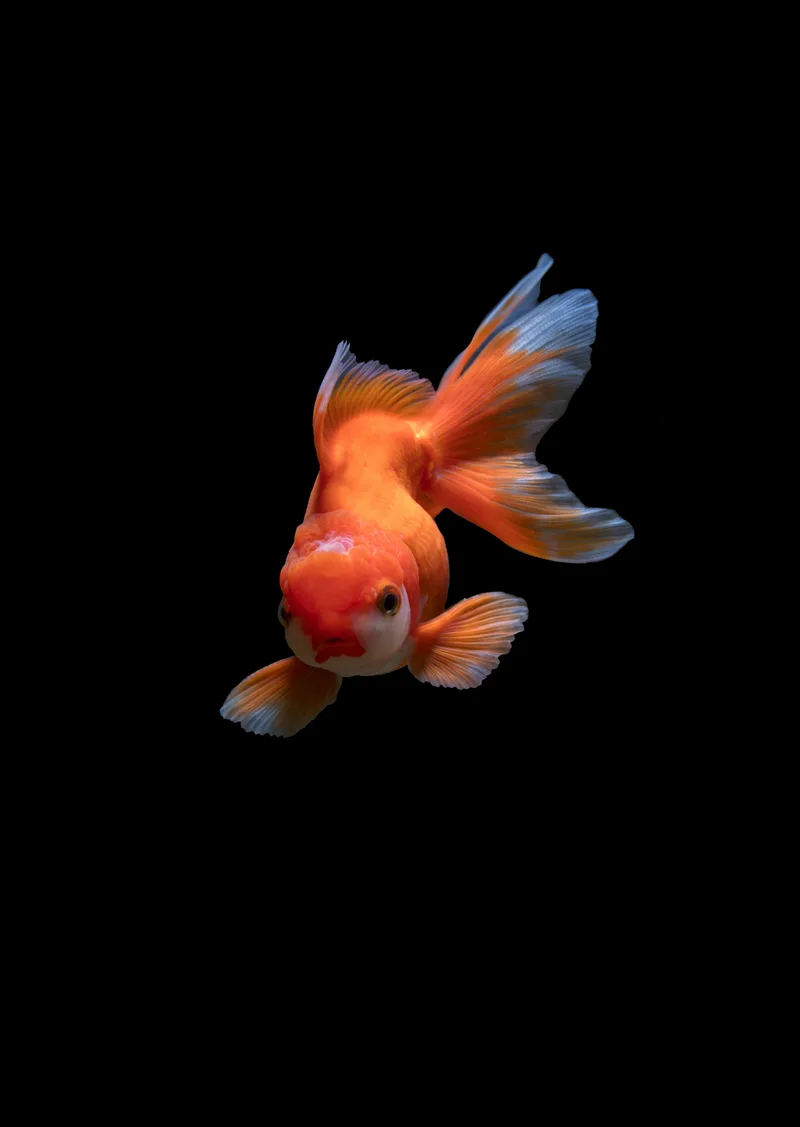
No. Not as juveniles, not for a few weeks, not with a great filter. Two goldfish in 3 gallons is a bowl with fins in it: ammonia climbs to toxic levels within a day or two no matter how small the fish look, and the fish themselves are headed for 6 to 14 inches each, depending on the kind. Goldfish don't actually "grow to the size of their tank," even though that's what almost every pet store implies by selling them in tiny containers. What looks like staying small is something else, and it's the part of this story that does the lasting damage. The fish can still be saved, and this is fixable today.
What Should I Do Right Now if My Goldfish Are in a 3 Gallon Tank?
Treat the next few days as triage. The goal is to keep ammonia and nitrite low enough that the fish stay alive while you sort out a bigger tank or a rehome. You don't need to fix everything today, you just need to buy time.
If you can, pick up a liquid ammonia and nitrite test kit from a pet store. In a 3 gallon tank with two goldfish, ammonia can reach dangerous levels within a day or two, and seeing the numbers tells you how urgent things are.
Small, frequent water changes are your best lever right now. Use water that's dechlorinated and close to the tank's current temperature, so the fish aren't hit with a chemistry or temperature swing on top of everything else.
Here's a short checklist for today:
- Test the water for ammonia and nitrite, or take a sample to a local fish store that will test it for free
- Do a 25 percent water change with dechlorinated water that matches the tank temperature, and repeat every 1 to 2 days
- Cut feeding back to once a day, and only as much as the fish finish in about a minute
- Keep the filter running 24/7 if you have one, even a small one helps
- Line up a larger tank, a friend with a pond, or a local rehome this week, not this month
This is a bridge, not a permanent fix. Even perfect water changes won't make 3 gallons work for two goldfish long term, so use the days you're buying to find them a real home.
Why Can't Two Goldfish Live in 3 Gallons, Even Short Term?
Two things make this impossible, and neither is about swim space.
The first is waste. Goldfish produce more ammonia per fish than almost any other common aquarium species. They eat constantly, they have no stomach in the usual sense, and food moves through them fast. In 3 gallons of water with two of them, the ammonia they produce has nowhere to go. A filter needs a colony of beneficial bacteria to convert that ammonia to nitrite and then to nitrate, and in a tank this small, with this much waste, the bacteria can't keep up. Ammonia and nitrite climb to toxic levels within a day or two no matter how small the fish currently look.
The second is that goldfish don't stay small. Fancy varieties (fantail, oranda, ryukin, black moor) reach 6 to 8 inches as adults. Commons, comets, and shubunkins routinely push past a foot. The tiny inch-and-a-half fish in the bag at the pet store is a juvenile, and most of its growth is still ahead of it.
You may have heard that fish "grow to the size of their tank." It's one of those ideas that sounds reasonable and turns out not to be true. What happens in a tank that's too small is stunting: the fish's body stops growing, but its internal organs keep developing, crowded into a body that can't contain them. Stunted goldfish develop spinal deformities, suffer chronic stress from the ammonia they're steeped in, and die years earlier than they should. A healthy goldfish can live 15 to 20 years. A stunted one often doesn't see two.
None of this is your fault. The myth is everywhere, and goldfish are sold in tiny containers at almost every pet store that carries them. The useful thing now is to know what's really going on, so the plan you make from here is built on how the fish works.
How Big a Tank Do Two Goldfish Actually Need?
The real target depends on which kind of goldfish you have.
For two fancy goldfish (fantail, oranda, ryukin, black moor, telescope, and similar round-bodied varieties), aim for a 30 gallon tank as a minimum. The rough guideline most goldfish keepers use is 20 gallons for the first fancy, plus 10 for each additional. Fancies are slower and shorter-bodied, so they need less length than their single-tail cousins, but they still need volume to keep the water stable.
For two commons, comets, or shubunkins, you're looking at 75 gallons or more, and honestly, a pond is the right long-term home. These are pond fish that happen to be sold in pet stores. They're fast, strong swimmers built for open water, and they hit 10 to 14 inches when fully grown.
| Goldfish type | Adult size | Minimum tank for 2 | Notes |
|---|---|---|---|
| Fancy (fantail, oranda, ryukin, black moor) | 6 to 8 inches | 30 gallons | Round-bodied, slower swimmers, more tolerant of shorter tanks |
| Common | 10 to 12 inches | 75 gallons | Pond fish in a pet store bag; a pond is the realistic adult home |
| Comet | 10 to 14 inches | 75 gallons | Strong swimmers, need horizontal length, best in a pond |
| Shubunkin | 10 to 14 inches | 75 gallons | Same story as comets; a long tank or outdoor pond |
The number can feel steep if you're used to thinking a bigger tank is harder to keep. It's actually the other way around. More water dilutes waste, temperature swings slower, and small mistakes don't become emergencies overnight. A 30 gallon tank is genuinely easier to keep stable than a 3 gallon, not harder.
Used tanks come up constantly on local marketplaces, often at a fraction of retail, and a basic 30 gallon setup with a filter and heater is usually findable for well under a hundred dollars if you're patient. A rehome to someone with an already-running pond is also a perfectly good outcome, not a failure.
What Can I Keep in the 3 Gallon Tank Instead?
Once the goldfish have moved on, the 3 gallon is actually a pleasant little tank for the right species. It's only the wrong tank for goldfish, not a bad tank overall.
A single male betta (Betta splendens) is the classic answer at this size. One fish, heated, gently filtered, a few plants, and you have a setup that works. Bettas are built for small, still water and a 3 gallon with a heater and a sponge filter suits them well.
A small cherry shrimp colony is another good fit. A dozen or so cherries in a planted 3 gallon is a quiet, absorbing little tank that most people don't expect to enjoy as much as they do.
If the tank is well-planted and the water parameters are stable, a small group of chili rasboras (Boraras brigittae) also works. These are tiny shoaling fish, under an inch fully grown, and a group of six or so fits a 3 gallon reasonably well.
The same mechanism that makes 3 gallons wrong for two goldfish is exactly why a goldfish bowl doesn't work either: too little water, too much waste, and no room to grow. Planning the upgrade is easier once you know how big a tank one goldfish needs on its own, which sets a useful floor before you start adding for the second. If the bigger tank feels out of reach and you're thinking through whether a single goldfish might be the better path than two, the social side of that decision is worth sitting with before you commit either way.
You haven't ruined anything. You noticed something was off, you looked it up, and the goldfish now have a clear path to a tank they can grow into. The 3 gallon isn't a failed tank, it's just the wrong tank for this fish, and there's a good home waiting for it on the other side.