How easily do goldfish breed?
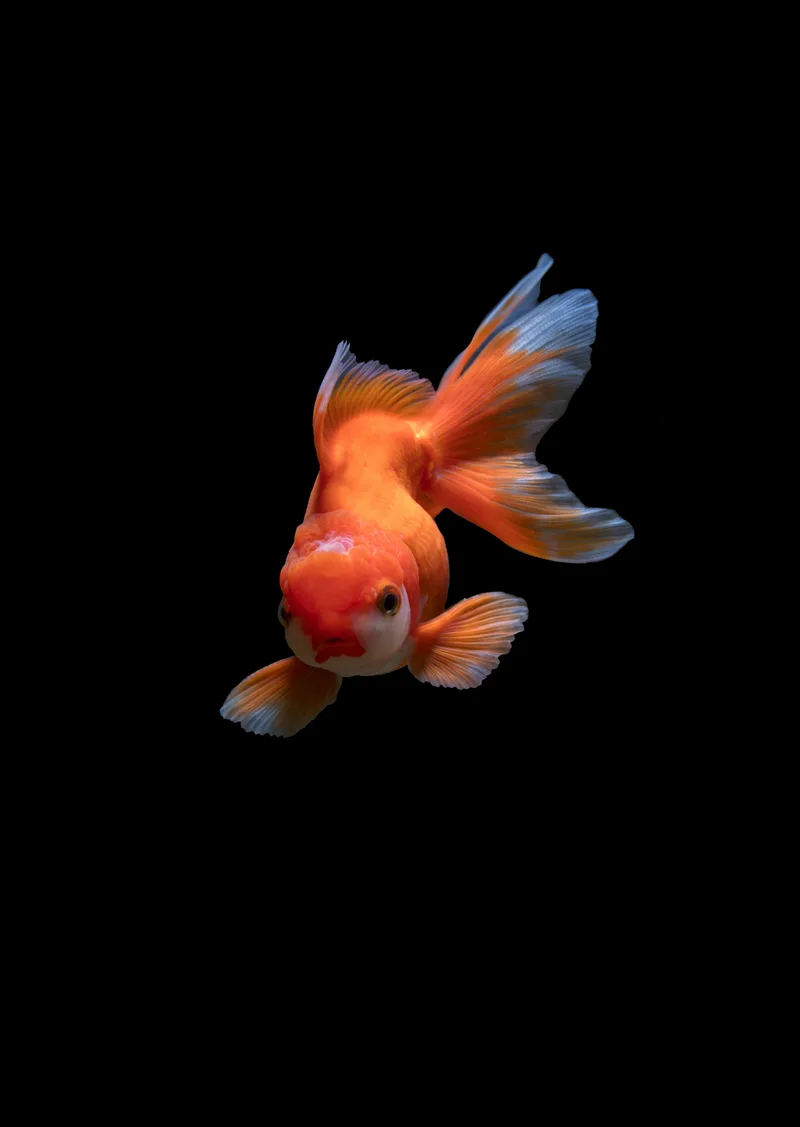
A mixed group of mature, healthy goldfish (Carassius auratus) will spawn readily on its own once spring warmth arrives, scattering well over a thousand eggs in a single morning with no help from you. Then the parents turn around and eat almost every one of them within hours. That's the gap that surprises people: the spawning is genuinely easy, but ending up with baby fish is hard, and how easily it happens at all swings sharply depending on whether you keep a fast common or a rounded fancy variety.
If Spawning Is So Easy, Why Don't I End Up With Babies?
Because in an ordinary tank, the eggs almost never survive long enough to hatch. Goldfish are not protective parents. The moment a female releases her eggs, the adults in the tank, including the parents, treat them as food and start eating. Most of a spawn is gone within a few hours of being laid.
The eggs themselves don't help their odds. They're tiny, sticky, and scattered loose across plants, decorations, and the glass, wherever the female happens to be when she releases them. There's no nest and no guarding. In a community tank that holds anything from a hungry adult goldfish to a snail, an egg sitting out in the open is just a meal waiting to be found.
This is what "how easily do goldfish breed" really comes down to for a pet owner. The spawning is automatic. Ending up with young fish is not. The eggs that survive are the handful that get wedged somewhere the adults can't reach, and in most home tanks that number rounds to zero.
Did you know? A single female goldfish can release well over 1,000 eggs in one spawning session, scattered across plants and tank surfaces in just a few hours. In an ordinary mixed tank the number of survivors usually still comes out at zero, because the adults eat the eggs almost as fast as they're laid.
What Actually Makes Goldfish Start Spawning?
Two things have to line up: a sexually mature mixed-sex group, and an environmental cue. Goldfish reach breeding age at roughly a year old, around 3 to 4 inches long, and you need at least one male and one female. A lone goldfish, or a same-sex pair, will never breed no matter how good the conditions are.
The cue is almost always a rise in temperature after a cool spell. A few weeks of cooler water followed by a steady warm-up mimics the arrival of spring, and that shift is the trigger the fish are waiting for. It isn't really about the warmth itself. It's about the change.
The reason goldfish are wired this way sits in the timing. In the wild, spring is when daylight lengthens, the water warms, and the small live food that fry need to survive starts to bloom. A goldfish that spawns on the first real warm-up gives its young the longest possible run of food and warm water before the next cold season. The fish isn't deciding anything. The temperature swing flips a switch that evolution set, because the young that hatched in spring were the ones that lived. If you want to deliberately bring your fish into spawning condition rather than wait for the seasons, you can recreate that cool-then-warm pattern on purpose.
Does This Change for Fancy Goldfish?
A lot, actually. How easily your goldfish breed depends heavily on which kind you own. The strong-swimming single-tail types, commons, comets, and shubunkins, spawn readily and reliably. They're built close to the wild shape, fast and agile, and the whole spawning routine comes naturally to them.
The heavily-bred fancy varieties are a different story. Orandas, ranchus, and bubble eyes have been selected for rounded bodies, short tails, and dramatic features, and that shape gets in the way. Spawning is a physical chase, with the male pushing and nudging the female to release her eggs, and a fish shaped like an egg with stubby fins simply can't move the way a comet can. On top of the physical awkwardness, fertility in these varieties is often lower to begin with. They can and do spawn, but far less dependably.
So if someone tells you goldfish breed like rabbits and your fancy ranchu has never laid a thing, both can be true at once. If you're not sure which camp your fish falls into, the difference comes down to body shape and tail: knowing whether you've got a fast single-tail or a rounded fancy tells you most of what to expect from breeding.
How Would I Even Know If My Goldfish Are Breeding?
The clearest sign is the chase. When goldfish are ready to spawn, the males start following the female closely and persistently, often several at once, pushing her toward plants or pressing her against the tank wall. It looks rough, and the first time you see it, it can read as bullying or a fight. It isn't. This shoving is normal spawning behavior, and it's how the male prompts the female to release her eggs.
Look at the fish themselves and you'll spot the other signs. A female carrying eggs swells noticeably, looking rounder and fuller from above. The males develop small white bumps, called tubercles, scattered across their gill covers and the front edge of their pectoral (side) fins. These bumps look a little like a sprinkle of salt or the early spots of ich, but they're harmless, they only appear on males in breeding condition, and they fade once the season passes.
A swollen female, white bumps on the males, and that hard, persistent chasing are the three signs a spawn is underway, and seeing all three together leaves little doubt that you're watching a spawn rather than a problem. A healthy group of goldfish doing exactly this on a warm spring morning is just the fish doing what they're built to do. The eggs scattering across your plants aren't a sign you did something right or wrong. Whether any of them become fish is the part that was always in your hands, not theirs, and it depends entirely on whether anything in the tank gives those eggs somewhere safe to hide.