Which goldfish is best for beginners?
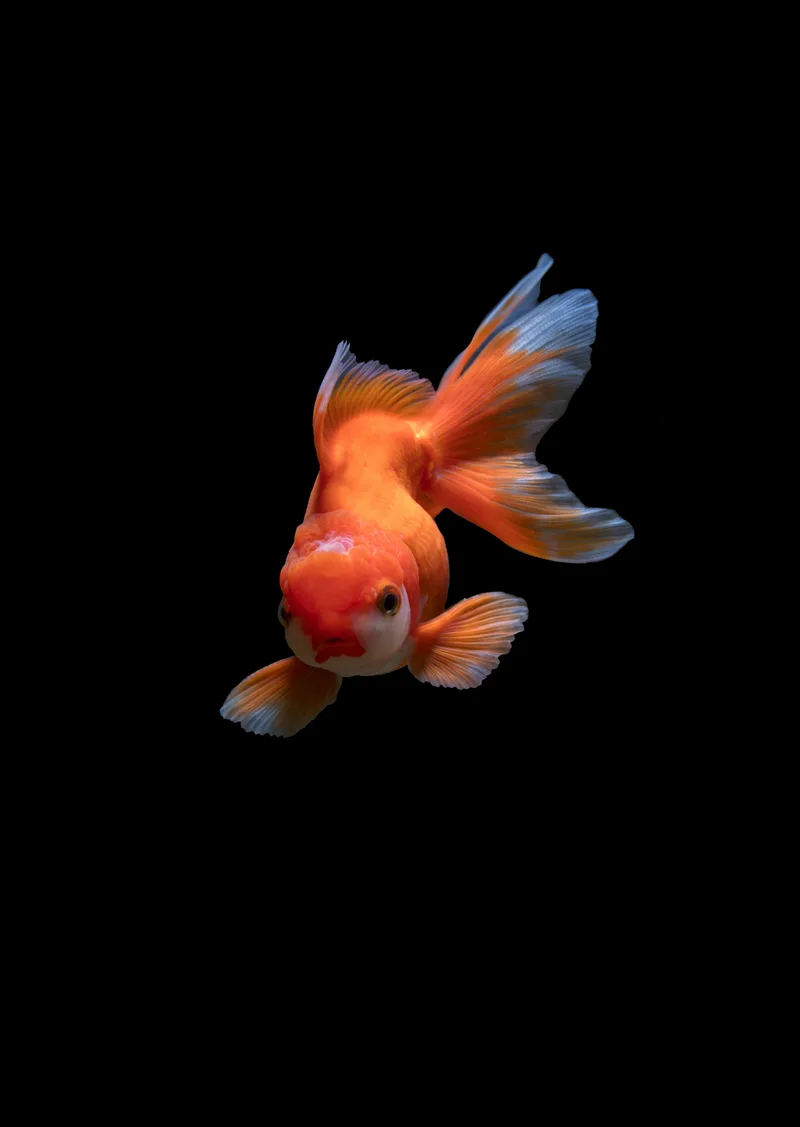
For a first goldfish in a home tank, get a fantail: it's the hardiest of the small-bodied fancy goldfish, and it forgives the mistakes a new keeper is going to make. The strange part is that the fantail isn't the toughest goldfish you can buy. The common and the comet are hardier still, yet they're the worst possible beginner fish, because they grow to the length of your forearm and belong in a pond. "Best for beginners" turns out to be two questions wearing one coat, hardy and keepable in the space you actually have, and the fantail is the only variety that answers both.
Why Is the Fantail the Best Beginner Goldfish?
A fantail is built to forgive you. It has the rounded, egg-shaped body of a fancy goldfish, but almost none of the extreme features that get other fancies into trouble. Its eyes are normal. Its swim bladder sits more or less where a swim bladder should. It has a split tail fin and a stocky shape, and that's about the extent of how far it's been bred from a plain goldfish. That restraint is exactly what makes it tough.
Here's the thread that runs through every goldfish you'll see in a shop: the further a variety has been bred away from the original streamlined carp shape, the worse it swims and the worse it digests. A long, torpedo-bodied goldfish has its internal organs laid out the way the fish evolved to carry them. Round a fish's body off into a ball and you fold those same organs into a much tighter space, which is why the most dramatically shaped fancies are so prone to swim bladder trouble and constipation. The fantail rounds off the body just enough to look like a fancy goldfish and not so much that its insides are under real pressure. It sits at the easy end of that trade-off.
The ryukin is a close second, and a fine choice if the fantail tank is empty. It's a touch more extreme, with a high arched back and a deeper body, so it leans a little more toward digestive fussiness, but it's still a sturdy fish that handles beginner conditions well. Either one will tolerate the water that's a bit off, the feeding that's a bit too generous, and the tank that took a few weeks too long to settle.
Did you know? A two-inch bubble eye and a foot-long common goldfish are the same species, Carassius auratus. Every fancy variety, from the oranda to the ryukin, was shaped from that one plain fish entirely by selective breeding, the same way every dog from a chihuahua to a great dane is one species under all that variation.
Aren't Common and Comet Goldfish the Hardiest?
Yes. If pure toughness were the whole question, the common goldfish, the comet, and the shubunkin would win it outright. They're the cheapest fish in the shop, often a couple of dollars, they shrug off cold water and beginner mistakes, and they're the closest in shape to the original carp, which is exactly why they're so resilient. That advice is correct as far as it goes.
The catch is size. A common or comet goldfish does not stay the cute three-inch fish you bring home. It grows to ten, twelve, sometimes fourteen inches, and it gets there faster than people expect. A fish that big produces a heavy waste load and needs a volume of water no normal indoor tank can hold. So the very thing that makes these fish bulletproof, their wild hardiness and their full-size carp body, is what makes them the wrong choice for a beginner's tank. You'd be setting up to fail not because the fish is delicate, but because it outgrows the room.
| Variety | Adult size | Tank or pond | Beginner verdict |
|---|---|---|---|
| Fantail | 4 to 6 inches | Tank | The pick: hardy and stays tank-sized |
| Common / Comet | 10 to 14 inches | Pond | Hardy, but far too big for a home tank |
| Shubunkin | 9 to 14 inches | Pond | Same story: tough, beautiful, pond-scale |
So both camps you might run into are half right. The fantail really is the easy tank fish, and the common really is the hardier animal. They're answering different questions, and once you separate hardy from keepable-in-your-space, the contradiction dissolves.
Which Goldfish Should a Beginner Avoid?
The rule for the shop tank is simple: the more dramatic the deformity, the more daily problems it hands an inexperienced keeper. A fish that's been bred for a striking look has usually paid for that look with some part of its ability to see, swim, or digest, and you'll be managing the difference every day. As a first goldfish, walk past these:
- Bubble eye. Carries two fluid-filled sacs under its eyes that snag on decor, rupture, and get infected. It also sees poorly and struggles to compete for food.
- Celestial. Its eyes point permanently straight up, so it can barely see what's in front of it and has real trouble finding food in a normal tank.
- Telescope eye (moor). Eyes on stalks that protrude from the head, easily injured and paired with weak vision that makes feeding a chore.
- Extreme oranda and ranchu. The most heavily bred examples are back-heavy with huge head growths and no back fin, which makes them clumsy swimmers and very prone to swim bladder trouble.
None of these are bad fish. They're just fish that need an experienced keeper who can spot the problems early and set up around them. That's not the keeper you are yet, and there's no shame in starting with a fish that lets you learn.
How Many Should I Start With, and How Big a Tank?
Start with one or two fancy goldfish, and never a single fish in a bowl. A bowl gives no stable water and no room for the waste a goldfish makes, and it's the most common reason a first goldfish doesn't last.
The baseline for a beginner is around 20 gallons for one fancy goldfish, plus roughly another 10 gallons for each additional fish. That number is about waste, not swimming room. Goldfish eat a lot and produce a heavy bioload, and the ammonia they generate has to stay diluted enough that your filter and your water changes can keep up. A bigger volume of water is simply harder to foul, which buys a new keeper a wide margin for error. The exact gallons depend on how many fish you keep and how big they'll get, and you can work out how big a goldfish tank should be from the bioload each one adds.
What If I Have a Pond Instead of a Tank?
A pond turns the whole answer on its head. Out there, the common, the comet, and the shubunkin go from worst beginner choice to best. The pond gives them the space their adult foot-long bodies need, and their wild hardiness means they handle outdoor temperature swings and seasonal changes that would stress a fancy variety. The fantail, the easy pick indoors, is the riskier choice in a pond, where its rounder body and poorer cold tolerance work against it.
That flip is the whole point. The best beginner goldfish was never one fixed answer, it was always the fish that's hardy and fits the space you're putting it in. In a tank, that's the fantail. In a pond, it's the common or comet you'd have steered away from indoors. Decide where the fish is going to live first, and the right variety follows from there. If you're still weighing the two and wondering whether pond and aquarium goldfish are actually different fish, that's the question to settle before you buy.