What is a natural antibiotic for goldfish?
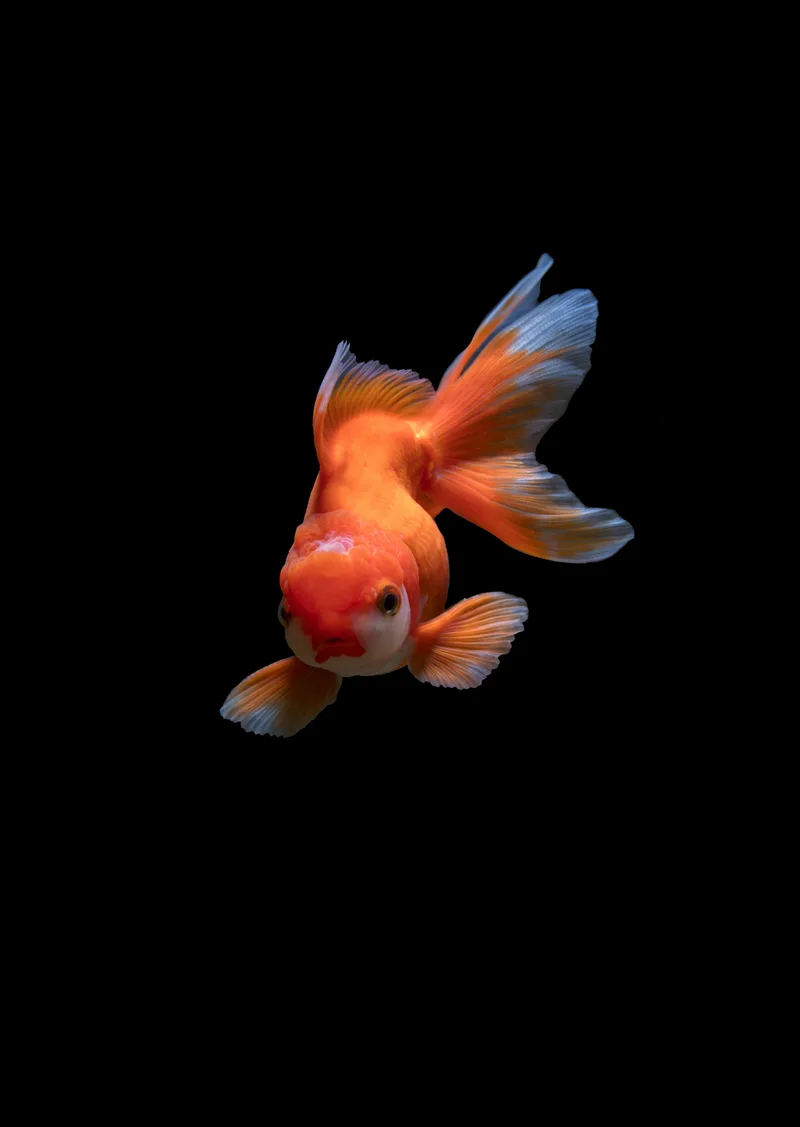
There is no true natural antibiotic for goldfish, and most of the time you don't need one. Nothing you can buy at the pet store or grow on your windowsill kills bacteria the way a real antibiotic does, but aquarium salt, garlic-soaked food, and clean water do something nearly as useful: they back up the goldfish's (Carassius auratus) own immune system, which quietly clears most mild infections by itself. Here's the part that catches people out. The same fish that recovers on salt and a water change this week can be the one that needs a real medication next week, and the only way to tell the two situations apart is the symptoms, not the bottle. So the useful question isn't which natural cure to buy. It's what to reach for first, and where the line is when reaching for it stops being safe.
What Should I Reach For First?
Start with the water, not the medicine cabinet. The large majority of goldfish that suddenly look unwell are reacting to their water, not to a germ, and a goldfish puts out a lot of waste for its size. Test for ammonia and nitrite, then do a big water change, somewhere around 50 percent, using dechlorinated water that's close to the tank's temperature. Clean water removes the thing that was stressing the fish in the first place, and a stressed fish is a fish whose immune system is already busy.
Once the water is sorted, three things genuinely help a goldfish that looks a little off:
- Test and do a large water change. This fixes the usual root cause. Bad water quality is behind most early infections, and clearing it lets the fish heal on its own.
- Aquarium salt, about 1 tablespoon per 5 gallons. Add it dissolved in a cup of tank water, spread over a few hours. Salt reduces stress on the fish and makes life hard for some parasites and opportunistic bacteria. Keep it as a short course of a week or so, not a permanent fixture.
- Garlic-soaked food. Soak the pellets in fresh crushed garlic for fifteen minutes before feeding. It tempts a fish that's stopped eating back to the food, and a fish that's still taking meals is one that's holding on while it heals.
Two quick caveats. Remove any activated carbon from your filter while you're dosing salt or anything else, because carbon strips additives back out of the water. And resist the urge to pile on five remedies at once. Clean water plus salt does most of the work, and a calmer tank beats a busier one.
So Is There Actually a Real Natural Antibiotic?
This is where the word "antibiotic" matters. An antibiotic kills the specific bacteria causing an infection, or stops them reproducing so the body can finish the job. "Antibacterial" is a softer word that just means something discourages or slows certain bacteria. Salt, garlic, and tea-tree products land in that softer category at best, and most of them don't even manage that reliably. None of them kills the bacteria behind a real infection.
Salt is the most useful of the bunch, but it isn't acting as an antibiotic. At a treatment dose it pulls water across the bodies of certain parasites and irritates the slime-coat organisms a fish carries, while easing the osmotic load the fish itself has to manage. That's real, and it's why salt earns its place. It just isn't killing the bacteria in an ulcer.
Garlic is a feeding aid and a mild immune nudge, nothing more. It gets a fish eating again and may give the immune system a small lift, which matters because a fish that keeps eating keeps its strength up. The claims that it works as an antibiotic don't hold up.
Then there are the bottled "natural antibacterials," the tea-tree products like Melafix and the aloe-based additives. These are sold hard as gentle, natural cures, and the marketing often calls them broad-spectrum antibacterials. When they've actually been tested, the bactericidal effect ranges from weak to none. A 2015 study on tea-tree-oil products found no meaningful kill of the bacteria they're sold to treat, and aloe extract has shown outright toxicity to fish at the wrong dose rather than any healing power. So if a fish recovers while one of these is in the tank, the additive almost certainly isn't why.
Did you know? Once the water quality is fixed, a healthy fish's own immune system clears the large majority of mild infections without any medication at all. That's exactly why "natural remedies" so often look like they worked. The salt and garlic rode along while the fish did the real healing on its own.
How Do I Know When Salt and Garlic Aren't Enough?
Salt, garlic, and clean water are the right call for a fish that looks a little off but is otherwise holding together: fins held close to the body, a small fuzzy patch, a bit more sluggish than usual, hovering near the bottom. These are the signs of a fish under mild stress, and mild stress is exactly what home support is for.
Some signs mean something has moved past what your water column can fix, and these are the ones where waiting is the real danger. Open sores or ulcers on the body, red streaks running through the fins or skin, scales standing out from the body so the fish looks like a pinecone (that's dropsy), or a fish that's clearly worse today than it was yesterday. A bacterial infection that has reached this stage is reproducing faster than the fish can fight it, and salt won't turn that around.
| Home support is reasonable | Needs a real antibiotic or a vet |
|---|---|
| Fins clamped close to the body | Open sores or ulcers on the body |
| Slight lethargy, resting more than usual | Red streaks in the fins or skin |
| A small fuzzy white or gray patch | Scales raised into a pinecone shape (dropsy) |
| Eating, even if a little less | Refusing all food while visibly worse |
| Looks about the same day to day | Fast decline over a day or two |
If your fish is in the right-hand column, reach for a proper aquarium antibacterial medication or, if you can, a vet who sees fish. A real antibiotic will clear the filter's good bacteria as a side effect, so you'll need to watch your water closely afterward, but that's a manageable problem and a dead fish is not. Most of the time the milder signs win out and the fish recovers on clean water alone. The reason to learn the line is so you don't lose a week on garlic while something serious gets worse.
Which Goldfish Diseases Do These Actually Help With?
Home support works best on the illnesses that water quality drives in the first place. Early fin rot, where the edges of the fins look ragged or slightly white but the body is untouched, often pulls back on a big water change and a salt course alone. Minor fungal patches, those small cottony spots, respond to the same approach. Ich, the classic scatter of white grains like grains of salt, is treatable with aquarium salt and a slow rise in temperature, though goldfish are cold-water fish so the heat has to go up gently. In all of these, the support measures are doing real work because the underlying problem is stress and water, not an entrenched germ.
The diseases you should not try to ride out with salt and garlic are the systemic bacterial ones: advanced ulcers, septicemia (those red streaks), and dropsy. These need targeted medication, and matching the right approach to the right illness starts with knowing which infections show up most often in a tank. If you're still working out whether the spots and patches you're seeing point to fin rot, fungus, or something else, it helps to learn what the common goldfish illnesses actually look like before you treat. And when a fish does need more than home support, there's a fuller recovery routine for a sick goldfish to work through.
The most powerful "natural antibiotic" a goldfish has is its own immune system, and the single best thing you can do for it is keep the water clean enough that the fish rarely has to use it. Most of the panic around fish medication comes from a tank that drifted out of balance and a fish caught in the fallout. Stay ahead of the water with regular tests and water changes, and the question of what to dose mostly stops coming up.