What are the common health issues in axolotl pets?
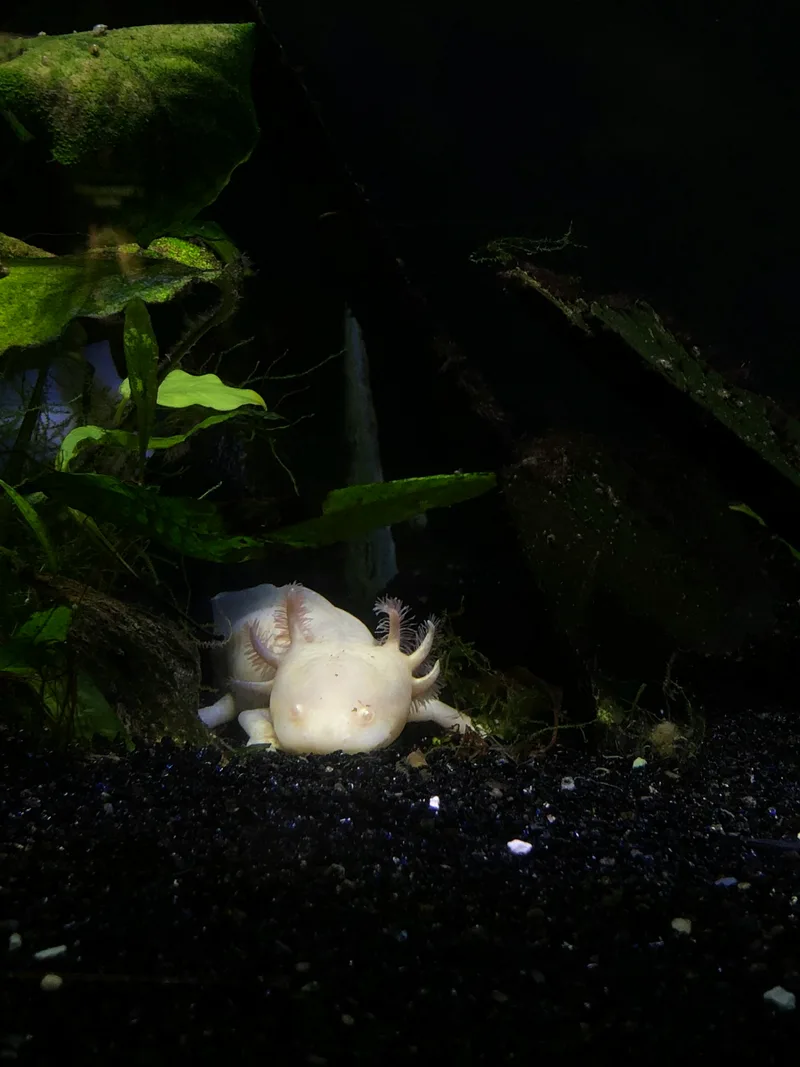
Axolotls are hardy animals, and their list of common health problems is short and predictable: heat stress, ammonia poisoning, fungal and bacterial infections, and gut impaction. The surprising part is that nearly every one of them is something the keeper caused, and usually by doing the things that keep a tropical fish healthy. A warm tank, gravel on the bottom, a heater running in winter: each is normal good fishkeeping, and each one is dangerous to an axolotl, because this is a cold-water amphibian whose bare skin sits in direct chemical contact with the water. So the diseases below aren't random bad luck. They're what happens when you care for an axolotl as if it were a fish, and almost all of them trace back to two mistakes you can stop making today.
Heat Stress
Heat is the single most common thing that kills a pet axolotl, and it is the one most owners never see coming. The axolotl (Ambystoma mexicanum) comes from a cool lake complex high above Mexico City, and its body is built for water that stays in the 60 to 64°F (16 to 18°C) range. Push it above about 72°F (22°C) for any sustained stretch and the animal stops coping: it loses its appetite, its feathery gills start to degrade, and its immune system quietly stops doing its job.
There is a small, cruel piece of physics underneath this. Warm water holds less dissolved oxygen than cold water, so the temperature climbs at the exact moment the stressed animal needs more oxygen, not less. The axolotl is being asked to work harder on a smaller supply. That is why a warm spell can tip a perfectly healthy axolotl into a fatal decline over a few days, with no infection involved at all.
The fix is structural, not medical. An axolotl tank never gets a heater, and in summer it needs active cooling: a small fan blowing across the surface, a cooler room, frozen water bottles floated in the tank, or in hot climates an aquarium chiller. If you have just realized that heat is your problem, the first thing worth nailing down is the temperature an axolotl should actually sit at and how to hold it there without a heater.
Ammonia Poisoning and New Tank Syndrome
The other root cause is the water itself. In any tank, fish or amphibian, waste breaks down into ammonia, which is toxic. A healthy tank grows a colony of bacteria that converts that ammonia into less harmful compounds, and the process of building up that colony is called cycling. A tank that was never cycled, or one that is overstocked, lets ammonia climb to dangerous levels. New tank syndrome is just the name for what happens when an animal goes into a tank before those bacteria have established.
For an axolotl this is worse than it would be for most fish, because an axolotl has no scales. Its skin is permeable and its gill filaments are bare and exposed, so the toxic water is in direct contact with living tissue. The signs show up in those gills first. They curl forward, they flick, the animal refuses food, the skin looks red or irritated, and it may start floating restlessly. Whenever something looks off, testing the water is the first move, before any treatment. If the numbers confirm a water-quality problem, you need the actual parameters an axolotl tank should hit to test against.
Fungal Infections
This is the most recognizable problem by sight: white, cotton-wool tufts growing on the gills, the body, or the edge of a healing wound. The usual culprit is Saprolegnia, a water mold that is present in almost every tank without causing trouble. It only takes hold on an animal that is already weakened by warmth, poor water, or an injury. In that sense a fungal infection is as much a symptom of stress as a disease in its own right. A healthy axolotl in cold, clean water shrugs the same fungus off.
The standard at-home response is tubbing, which means moving the axolotl into a small container of clean, dechlorinated cold water that you change completely every day. This takes it out of the dirty water that let the fungus start and lets you watch it closely. Daily salt baths, using aquarium or non-iodized salt at a careful dose, are the common next step for knocking the fungus back. If the patch is spreading fast, sitting on the gills, or the animal is clearly going downhill, that is the point to bring in a vet who treats amphibians rather than keep experimenting.
Bacterial Infections
Bacterial trouble shows up as open ulcers, reddened patches (often called red-leg), cloudy eyes, and gills that look frayed or eaten away. Like fungus, these almost never appear out of nowhere. They follow a husbandry slip, a stretch of warm water, a spike in ammonia, an injury that let bacteria in, and the infection is the second event, not the first.
The foundation of treatment is the same as for fungus, and it is not a medication: clean, cold water and tubbing, so the animal is sitting in fresh water every day instead of stewing in the conditions that caused the problem. Mild cases often turn around on water quality alone. But there is an honest limit to home treatment here. A deep ulcer, a fast-spreading red patch, or an axolotl that keeps declining needs a proper antibiotic, and that means a vet, because the antibiotic has to match the bug and be dosed for the animal. Reaching for a vet at that stage is not an overreaction; it is often the difference between a treatable infection and a lost animal.
Impaction and Gut Blockage
This is the classic injury that crosses over straight from fishkeeping. An axolotl feeds by gulping, opening its mouth and sucking in food along with whatever is sitting near it, and it does not have the dexterity to spit out a mistake. Put gravel in the tank and sooner or later the axolotl swallows a piece. Because its cold-slowed metabolism runs so gently, it often cannot pass that stone, and the gut becomes blocked. The signs are floating, a visibly swollen belly, and a refusal to eat.
Did you know? An axolotl's whole metabolism is tuned to cold water, which is part of why heat is so dangerous and why a swallowed stone is such a problem. The same slow chemistry that lets it sit calmly at 60°F also means it cannot simply hurry a blockage through the way a warm-bodied animal might.
The fix here is the cleanest in this whole list, because it is structural. Keep the tank bare-bottomed, or use fine sand that passes harmlessly through, and never use gravel in any size an axolotl can fit in its mouth. That one substrate choice removes the entire category of problem. Floating is one of the symptoms worth learning to read on its own, since it shows up for both impaction and trapped gas, and working out why an axolotl keeps floating points you toward which of the two you are dealing with.
Reading the Warning Signs Before It Becomes a Disease
Here is the useful thing about that whole list: most of those problems announce themselves through the same small handful of tells long before they become a named disease. An axolotl does not have many ways to show distress, so heat, ammonia, the early stage of an infection, and a brewing impaction all tend to surface as the same body language. Catching it at the body-language stage is what turns a fatal problem into a fixable one.
The signs to keep an eye on:
- Gills that curl forward over the head or flick repeatedly, instead of sitting out to the sides
- A tail tip that curls up or kinks, rather than lying straight
- Gills that look pale, short, or are visibly shrinking
- Loss of appetite, especially in an animal that normally eats eagerly
- Restless floating, drifting at the surface or struggling to stay on the bottom
- A film of excess slime, or fresh sores and lesions on the skin
None of these is a disease on its own. Each is the body reacting to stress, and the curled gills and tail are usually the very first move. The mistake is waiting for an obvious infection to confirm that something is wrong. Treat the gill and tail curl as the alarm, and test the water the moment you see it. If you would rather work from a full symptom-by-symptom view than a per-disease one, there is value in running through the complete checklist of what a sick axolotl looks like.
How Almost Every Axolotl Illness Traces Back to Two Mistakes
Step back from the individual items and the list collapses. Setting aside plain injury and the occasional genetic problem, every common illness above grows out of one of two husbandry failures: water that got too warm, or water that was never properly cycled. Heat stress is the first one directly. Ammonia poisoning is the second one directly. Fungal and bacterial infections are opportunists that move in once heat or bad water has lowered the animal's defenses. Even impaction is a fish-keeper habit, gravel, meeting an animal built for a different kind of tank.
| Health issue | Most likely cause | First thing to do |
|---|---|---|
| Heat stress | Water above ~72°F (22°C) | Cool the tank, never add a heater |
| Ammonia poisoning | Un-cycled or overstocked tank | Test the water, large water change |
| Fungal infection | Stress from heat, poor water, or injury | Tub in clean cold water, salt baths |
| Bacterial infection | Husbandry slip or untreated injury | Tub in clean cold water, vet if it spreads |
| Impaction | Swallowed gravel | Remove gravel, vet if no relief |
The decision framework that falls out of this is short enough to keep in your head: keep the water cold, keep it cycled, and keep swallowable gravel out. Do those three things and the long, alarming list of axolotl diseases mostly stops happening. Once you have an actual diagnosis in hand, the next thing you need is the step-by-step treatment for a sick axolotl. The list isn't bad luck visited on an unlucky owner. It is feedback. The illnesses are the predictable cost of caring for an axolotl as if it were a fish, and the cure is mostly to stop doing that.