What fish go well with goldfish in a tank?
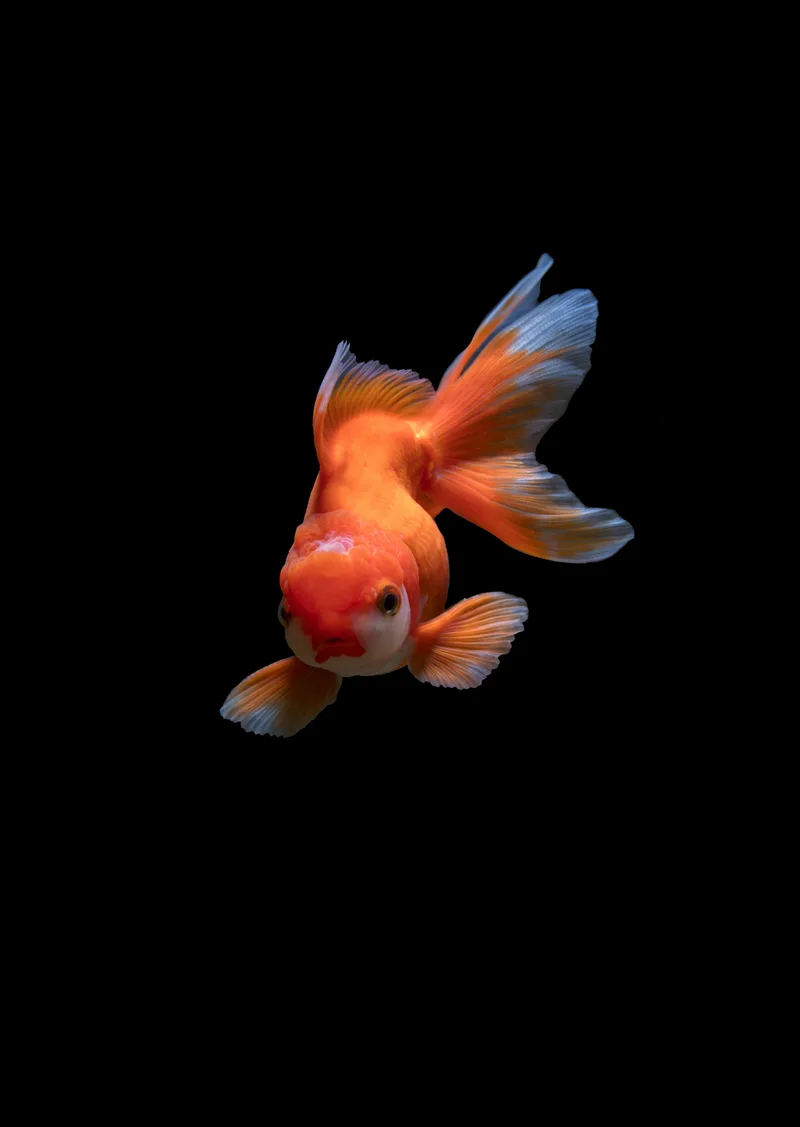
The fish swimming in the tank right next to the goldfish at the pet store is very likely the wrong choice to take home. Goldfish are coldwater fish, comfortable at 65-72°F without a heater, while almost everything else sold as a community tank mate needs true tropical warmth to stay healthy past the first few months. Add a mouth built to vacuum up anything bite-sized and long, trailing fins that a nippy species will treat as a target, and the safe list gets short fast, short enough that the single best tank mate for a goldfish usually isn't a different species at all.
The two filters every goldfish tank mate has to pass
Every pairing on this list has to clear two hurdles: temperature and size.
Goldfish (Carassius auratus) are coldwater fish. They do best at 65-72°F (18-22°C) and are kept without a heater. That single fact disqualifies most of the fish sold as classic community tank mates: neon tetras, guppies, and most gouramis are tropical fish that need 75-80°F water to stay healthy. Put them in a goldfish tank and one side of the pairing is always uncomfortable.
The second filter is size and behavior. A goldfish's mouth is wide enough to inhale anything small enough to fit, so a tank mate needs to grow past "snack-sized" fast. Fancy varieties like orandas and ryukins also trail long, delicate fins, which makes any fin-nipping species a bad match no matter how well the temperature lines up.
There's a third, quieter issue: common and comet goldfish grow to a foot long and swim fast enough to stress out almost anything sharing the tank with them. For that body type, the honest answer is a pond, not a community tank. The fish on this list are really tank mates for fancy goldfish, kept in a large, well-filtered tank with no heater at the cool end of that range.
Another goldfish
The pairing that passes every test without qualification: another goldfish of a similar body type. Same temperature needs, same diet, same slow, waddling swim style for fancies, and goldfish are naturally social, so they do better in company than alone.
The one rule that matters is matching body shape. Slow-swimming fancy varieties like orandas, ryukins, and black moors should stay with their own kind, and fast single-tailed types like commons and comets belong together too. Mix a fast comet in with a slow-moving fancy and the comet will beat it to every meal, leaving the fancy thin and stressed. Matching up which goldfish varieties can share a tank comes down to that same body-shape rule, applied across every fancy and single-tail combination.
White Cloud Mountain minnows
The strongest option outside the goldfish family. White Cloud Mountain minnows are a genuinely coldwater schooling fish, comfortable at 64-72°F, which puts them squarely inside a goldfish's temperature range with no compromise on either side.
They're fast enough that a goldfish has no real shot at catching one, and they spend most of their time in the upper part of the water column, a zone goldfish rarely bother with. Keep them in a group of six or more; a lone minnow or a pair kept in cramped quarters can turn nippy, but in a properly sized tank they tend to leave the goldfish alone entirely.
Bristlenose pleco and other coldwater-tolerant bottom feeders
The bottom of the tank needs its own answer, since goldfish spend most of their time in the middle and upper water and rarely touch algae growing near the substrate.
The bristlenose pleco is the pick here, not the common pleco sold at most stores. Common plecos grow past a foot long and have been known to rasp at a sleeping goldfish's slime coat once they outgrow the algae supply; bristlenose plecos top out around 5 inches and are far less likely to bother a tank mate. Dojo loaches (also called weather loaches) and hillstream loaches are two more options that handle cool water and a heavy bioload without trouble, each occupying its own patch of the bottom.
None of these fish should be expected to live on algae alone. A goldfish tank's messy eaters and heavy waste load suppress algae growth rather than feed it, so bottom feeders need supplemental food: algae wafers, blanched vegetables, or sinking pellets a few times a week.
| Fish | Adult size | Temperature range | Tank zone | Caveat |
|---|---|---|---|---|
| White Cloud Mountain minnow | 1.5 in | 64-72°F | Upper/middle | Needs a group of 6+ |
| Bristlenose pleco | 4-5 in | 60-78°F | Bottom | Needs supplemental algae wafers |
| Dojo loach | 8-10 in | 50-75°F | Bottom | Needs a longer tank footprint as it grows |
| Hillstream loach | 2-3 in | 60-75°F | Bottom | Wants high flow and oxygen |
| Nerite snail | 1 in | 65-80°F | Bottom/glass | Won't survive being swallowed by a large goldfish |
Snails as a clean-up crew
Beginners tend to overlook snails entirely, but nerite and mystery snails are a genuinely good fit. Their shells are hard enough that goldfish can't easily crack or nibble them, they tolerate cool water without issue, and they graze algae and leftover food, which is useful in a tank that produces as much waste as a goldfish tank does.
The honest caveat: a large, hungry goldfish will sometimes harass a small snail even if it can't actually eat it, nudging it around or pecking at its foot. Choosing a larger snail species, rather than the smallest ones sold in stores, avoids most of that stress. A full clean-up crew for a goldfish tank usually pairs snails with a few other invertebrates rather than relying on snails alone.
How to choose, and what to leave out
Run any fish being considered through the same four questions: does it tolerate cool water without a heater, is it too big to be swallowed, will it leave the fins alone, and can the filter handle the extra waste. A fish that fails any one of those is a fish to skip, no matter how often it's sold in the same store aisle as goldfish.
That rules out a specific, popular set of choices. Tropical community fish like tetras, guppies, and most gouramis need warm water a goldfish tank doesn't have. Bettas fail on temperature too, and are a fin target for goldfish while sometimes nipping right back. Tiger barbs and other known fin-nippers are a bad match for any fancy variety's trailing fins.
The goal was never a crowded community tank. A goldfish is a big, cold, messy fish that does best with its own kind and a couple of hardy helpers, and a calm, understocked tank with two orandas and a school of white clouds is a healthier, longer-lived setup than a colorful mix that fights the filter and the thermometer the whole way. A few other fin-nippers and warm-water schoolers fail the same way, which is really what makes the list of fish that don't belong with a goldfish longer than the list of fish that do. The short list isn't a limitation. It's what a goldfish actually wants.