What not to put with goldfish?
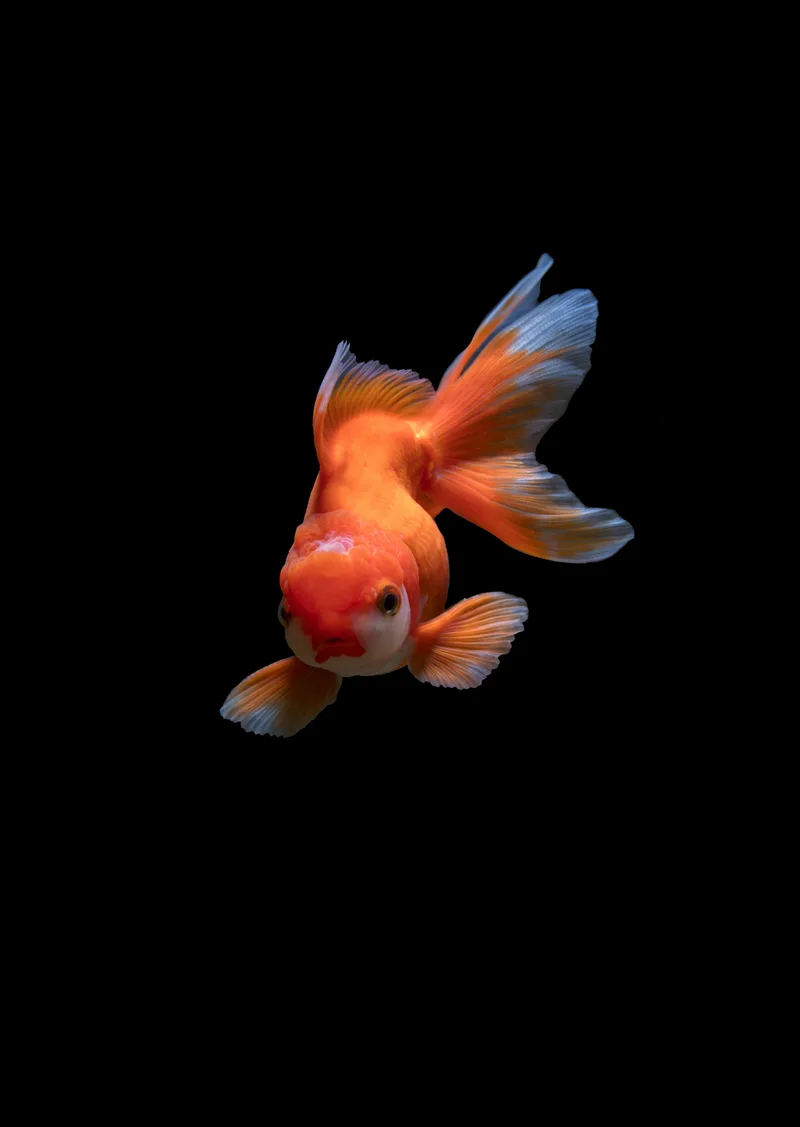
Skip tropical fish, anything small enough to fit in a goldfish's mouth, and any species with a fin-nipping reputation. Goldfish (Carassius auratus) are coldwater fish that need calm company roughly their own size, and the wrong pairing rarely fails on day one: a neon tetra kept at 68°F doesn't turn up dead overnight, it fades over weeks while the goldfish looks fine. Even the short list of safe picks has a catch. The dojo loach, one of the most recommended coldwater bottom-dwellers, splits experienced keepers straight down the middle, and the reason turns out to be the goldfish, not the loach.
Tropical Fish That Need Heated Water
This is the mistake most new keepers make first, because almost everything sold in the community-fish section is tropical. Guppies, neon tetras, mollies, platies, angelfish, most barbs: all of them need water somewhere in the 75 to 82°F range, held steady by a heater. Goldfish live at 65 to 72°F in an unheated tank.
That gap looks small on paper. It isn't. Fish are cold-blooded, so their body runs at whatever temperature the water is. A tropical fish held at 68°F has a slowed metabolism, a sluggish immune system, and no way to warm itself up. It won't die on day one. It will feed less, hang lower in the tank, and pick up infections a healthy fish would shrug off, usually over a few weeks to a few months.
Splitting the difference doesn't work either. Heating the tank to 74°F to keep everyone "sort of comfortable" pushes the goldfish's metabolism into overdrive. It eats more, produces more waste, ages faster, and gets less oxygen from the warmer water at exactly the moment its body wants more. Both fish lose.
So the first filter is simple: if the species needs a heater, it doesn't go with a goldfish. That single rule removes most of the pet store from consideration, and it's the rule that saves the most fish.
Anything Small Enough to Become a Meal
Goldfish are not hunters, but they are relentless opportunists. A goldfish spends its day mouthing everything it can reach, and anything that fits in its mouth eventually goes in. The catch is that the mouth keeps growing: fancy goldfish reach 6 to 8 inches, and single-tailed commons and comets reach 10 to 12. A tank mate that was safely too big in year one can become bite-sized, relatively speaking, by year three.
At real risk:
- Neon tetras and other small schooling fish, which are also tropical, so they fail two tests at once
- White cloud mountain minnows, coldwater and often suggested for goldfish, but at just over an inch long they get picked off once the goldfish is large enough to catch them
- Cherry shrimp and ghost shrimp, which goldfish hunt down within days of meeting them
- Small snails like bladder, ramshorn, and young nerite snails, which get crunched or swallowed whole
- Fry and juvenile fish of any species, including baby goldfish
The rough threshold: a tank mate should be at least 3 inches as an adult, and closer to 4 if it's slim-bodied, because a torpedo-shaped fish slides down a goldfish throat far more easily than a deep-bodied one. Judge against the goldfish's adult size, not the size of the fish in front of you now.
Aggressive or Fin-Nipping Fish
The danger runs the other way too. Fancy goldfish are slow, round-bodied fish trailing long, delicate fins, and to a nippy species those fins read as an irresistible target. Tiger barbs are the classic offender: kept with a fancy goldfish, they will shred its tail fin down to ragged stumps within days. Most cichlids, including convicts and even "peaceful" kribensis, are territorial enough to batter a goldfish that can't fight back or flee quickly.
Red tail sharks, rainbow sharks, and paradise fish belong on the same list. So does any species the store labels "semi-aggressive."
Torn fins are not just cosmetic. Every nip is an open wound in the water, and shredded fins are the most common entry point for fin rot and fungus. A goldfish under constant harassment also stops doing the things a healthy goldfish does: it hides, eats less, and hangs in corners. If a species has a reputation for nipping, that reputation was earned on fish faster than yours.
Popular Pairings People Ask About: Betta and Koi
Two pairings come up more than any other, so here are the short answers.
A betta fails on both of the first two counts. Bettas are tropical fish that need 78 to 80°F water, and they are also territorial fin-biters faced with a slow fish trailing just the kind of long fins that trigger them. The temperature and temperament math on keeping a betta with goldfish fails in both directions at once.
Koi look like the obvious match, and in a pond they can be. In a tank they aren't, because koi are pond fish that reach 2 to 3 feet long and need thousands of gallons as adults. The size and space requirements that separate koi from goldfish rule out any normal home aquarium, even though the two are close cousins and share the same water preferences.
Dojo Loaches: The Tank Mate Nobody Agrees On
Ask ten experienced keepers about dojo loaches (Misgurnus anguillicaudatus) and you'll get a genuine split. Some have kept them with goldfish for years without a single incident: the loach is coldwater, peaceful, grows to a foot of noodle-shaped muscle too big to eat, and works the bottom of the tank where the goldfish rarely bothers it. Others have watched the same pairing end with a loach whose whisker-like barbels (the sensory feelers around its mouth) are chewed short and whose fins carry constant nip damage.
Both groups are reporting honestly. The difference usually isn't the loach. It's the goldfish.
Single-tailed commons and comets are fast, boisterous, and food-obsessed enough to harass a loach at feeding time, and some individual goldfish are simply pushier than others. Calm fancy varieties in a roomy tank mostly ignore a dojo. So the pairing is neither safe nor unsafe as a category; it depends on which goldfish you own. If you try it, watch the loach's barbels for the first few weeks. Shortened or ragged barbels mean the experiment is failing, and the loach needs out before the damage invites infection.
Adding Too Many Tank Mates for the Bioload
Some tanks fail with a perfectly compatible species in them. The mate was fine; the math wasn't.
Goldfish produce a startling amount of waste for their size. They lack a true stomach, so food moves through them quickly and half-digested, and they graze all day long. That waste becomes ammonia, and the filter's beneficial bacteria can only process so much of it before ammonia and nitrite start climbing.
Did you know? A single fancy goldfish puts out roughly as much waste as a whole small school of tropical fish. It's why a goldfish tank that checks out on temperature and size compatibility can still crash: the real constraint was never the tank mate, it was the ammonia.
Every fish you add spends some of that processing capacity, and most goldfish tanks are already near the line with the goldfish alone. Before adding anything, make sure nitrate stays under about 40 ppm between weekly water changes with your current stock. If it doesn't, the tank has no headroom, and even a "perfect" tank mate will tip it over.
How to Pick a Tank Mate That Will Actually Survive
Run every candidate through four checks, in this order:
- Coldwater tolerance. Comfortable at 65 to 72°F without a heater. This alone eliminates most community fish.
- Adult size. At least 3 to 4 inches full-grown, judged against your goldfish's adult size, not today's.
- Temperament. Calm and quick enough to stay out of the way, with no fin-nipping reputation.
- Bioload headroom. Your nitrate readings show the filter has spare capacity for another waste producer.
A species has to pass all four. Three out of four is how tanks end up with a slowly failing fish that looked fine at the store. The handful of coldwater species that reliably work alongside goldfish all clear every one of these checks, which is why the list is short.
And if a candidate is borderline, the safest tank mate for a goldfish is another goldfish. They want the same water, they can't swallow each other, and they're social enough to genuinely do better in company.
One last thing before you buy: compatibility on paper is a snapshot, and your tank is not a snapshot. The pairing that matters is the one between a full-grown goldfish and a full-grown tank mate in a tank running at full bioload, and most failed pairings fail there, months in, not in the first week. Pick for the tank you'll have in two years, and the first week takes care of itself.