Is 20°C ok for an axolotl?
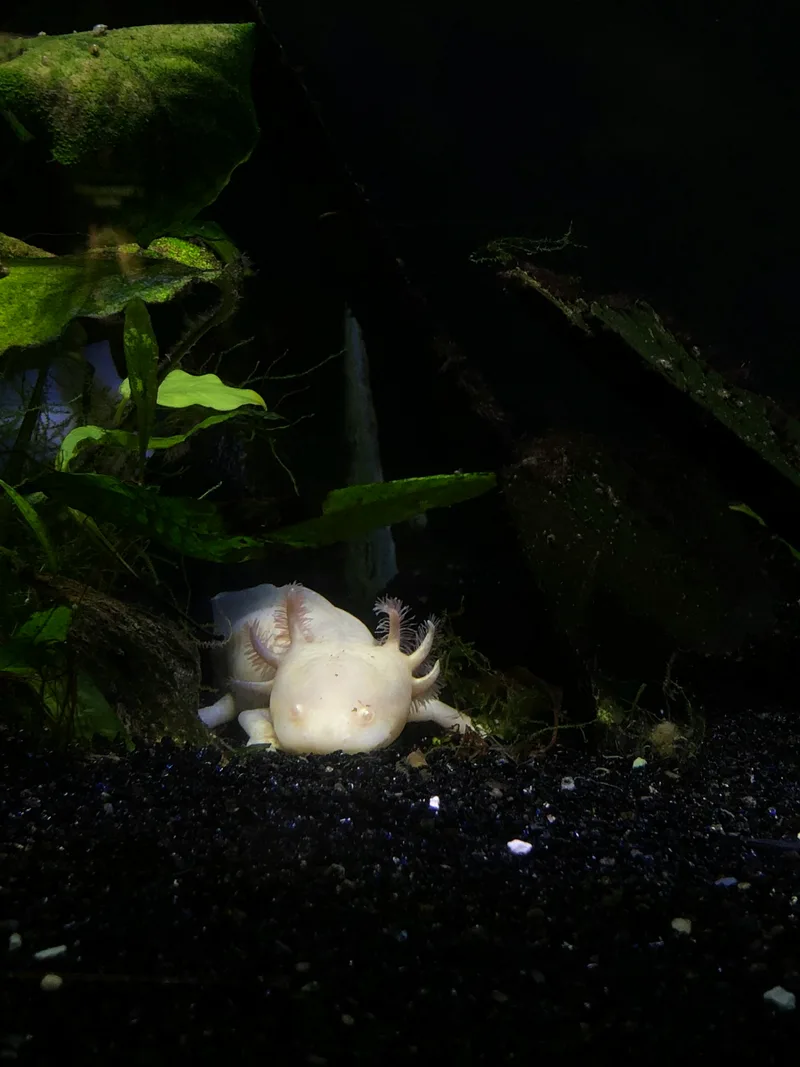
Yes, but only just. 68°F (20°C) is the ceiling for an axolotl, not the temperature it should be living at, so "okay" here means "okay for a short stretch," not "fine to settle at." Your animal can ride out a warm afternoon or a summer heat spell at 20°C without coming to harm. The catch is the direction it's pointing: the real target sits several degrees cooler, and every degree past 20°C climbs toward the line where genuine stress begins, so the number you actually want to aim for matters more than this one reading.
What Temperature Should You Actually Aim For?
The sweet spot for an axolotl is 60 to 64°F (16 to 18°C). That's where a cold-water animal is built to live, and it's the number to set your sights on if you're trying to keep things right.
20°C (68°F) is the top of the safe range, not the middle of it. Treat it as a peak your tank can touch on a hot day, not a resting place. Once the water pushes past 72°F (22°C), you've crossed into territory that puts real strain on the animal, and that's the line to never let it sit above.
One thing the number alone won't tell you: steadiness matters as much as the reading itself. A tank that holds quietly at 19°C is kinder to an axolotl than one that swings from 16 to 21°C every day, even though the second one spends plenty of time in the ideal band. Pick a target, and aim to hold it.
| Temperature | What it means for the axolotl |
|---|---|
| 60 to 64°F (16 to 18°C) | The ideal. Cool, steady water where the axolotl runs the way it's meant to. Aim here. |
| Around 68°F (20°C) | The upper edge. Fine as a brief peak, not okay as a resting temperature. |
| Above 72°F (22°C) | The danger zone. Real stress sets in. Don't let the tank sit here. |
Why Is 20°C the Ceiling and Not the Target?
An axolotl (Ambystoma mexicanum) is a cold-water animal with a slow, cool-running metabolism. Its whole body is tuned to work at a low, steady idle, and warmth speeds that idle up whether the animal is ready for it or not.
Here's where the two halves of the problem meet. As the water warms, the axolotl's metabolism climbs, so it burns through oxygen faster and needs more of it. But warm water holds less dissolved oxygen than cold water does. So at the exact moment the animal is asking for more, the tank has less to give. That squeeze is what tips a warm tank into a stressed one, and it's why 20°C sits right at the edge: a little warmer and the gap between what the axolotl needs and what the water can supply starts to open up fast.
It also explains those feathery gills. The branching stalks behind an axolotl's head are packed with blood vessels pulling oxygen straight from the water, so warm, oxygen-poor water hits this animal harder than it would a fish that can gulp air at the surface.
What If Your Tank Is Sitting at 20°C or Creeping Higher?
First, work out which situation you're in, because they call for different responses.
If it's a brief summer peak, you mostly need to watch and wait. Keep an eye on the thermometer and on the animal, and if the water is going to drop back into the safe range on its own as the day cools, you don't need to do much beyond making sure it doesn't keep climbing.
If 20°C is the steady resting temperature your tank holds, that's the one to fix. A tank that sits at 20°C all the time is living at its ceiling with no headroom for a hot day, and you want to bring it a few degrees down so it has somewhere to go.
Watch the animal for the signs that the water has gotten too warm for it:
- Gills curling forward over its head instead of fanning back
- Going off its food, or refusing it entirely
- Restlessness, pacing the tank, or unable to settle
- Hanging at the surface
- Gills looking paler or duller than usual
For bringing the temperature down, you have a few moves, from quick fixes to the permanent one. A fan blowing across the water's surface cools through evaporation and can pull a tank down a couple of degrees. Frozen water bottles floated in the tank, swapped out as they thaw, buy you time during a heat spell. Lowering the temperature of the room itself, with air conditioning or by closing the blinds against afternoon sun, helps the whole tank rather than fighting it. And if you live somewhere warm and the tank runs hot most of the year, an aquarium chiller is the durable fix that holds the temperature steady without you having to babysit it.
What About the Other Direction: Can It Be Too Cold?
Cool is the side of the line you want to be on. An axolotl is far more forgiving of cold than of heat, and a tank running on the chilly side of the ideal range is rarely the thing to worry about. If anything, the cold end is where this animal is built to thrive.
Once you know the range to aim for, the next question is usually how to hold it steady, and many keepers find that an axolotl tank stays cool enough without a heater at all in an ordinary room. If you're wondering just how far down the cold end goes before it becomes a problem, there's a real floor to be aware of, and 50°F sits within the range an axolotl handles comfortably.
So if your thermometer reads 20°C, you're right to take note, but you don't need to panic. Nudge the tank a few degrees cooler, keep it steady there, and you've handed your axolotl the cool, even water it was made for.