How long can an axolotl stay tubbed?
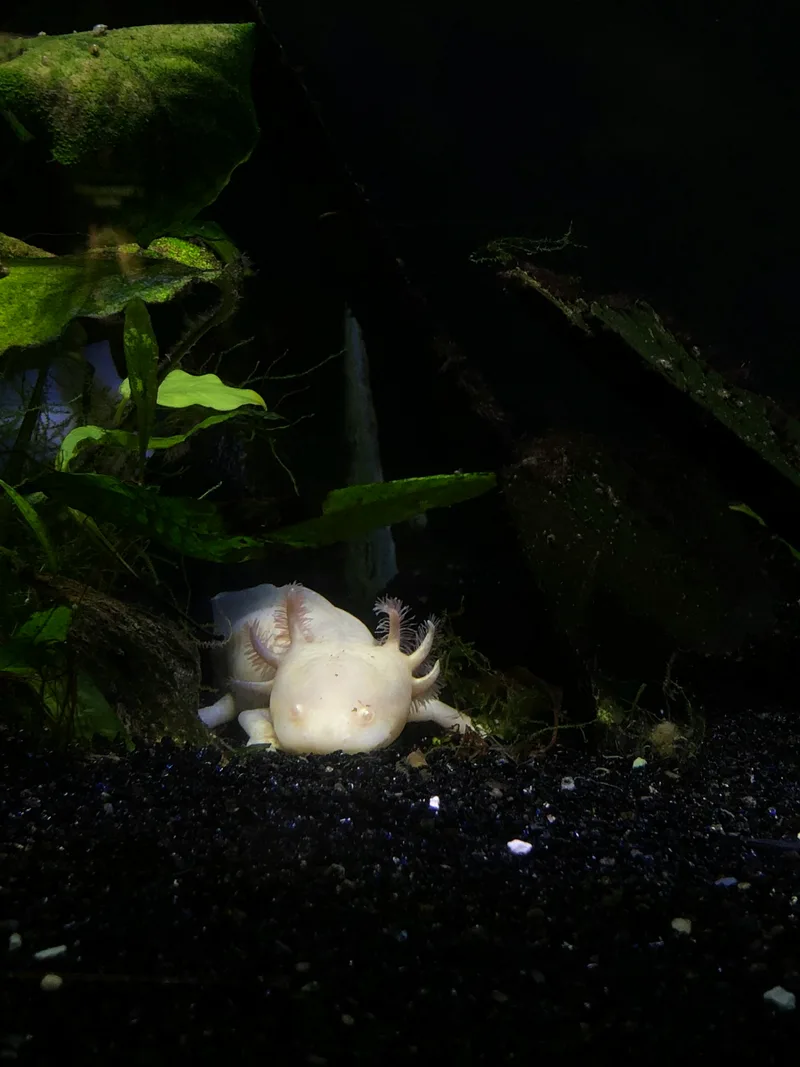
There is no hard time limit. An axolotl can safely stay tubbed for several weeks, and with disciplined daily 100% water changes, even months. Most owners come here looking for a deadline because the tub feels like a hospital bed, but the limit isn't a number of days. It's whether the daily water change keeps happening, the water stays cool, and the tub is big enough. Get those right and a week, a month, or "until the cycled tank is ready" are all fine answers. The real question is what makes a tub stop being safe, which is what most of the SERP doesn't tell you.
How Long Should I Actually Plan to Tub For?
Match the duration to the reason. Most people end up tubbing for one of five reasons, and each one comes with its own natural endpoint. The clock isn't really a clock, it's "how long until the thing that ended the emergency is done."
| Reason for tubbing | Typical duration | What ends it |
|---|---|---|
| Ammonia spike or cycling crash | 3 to 7 days | Tank ammonia and nitrite both back to 0 ppm |
| Fungus or salt-bath treatment | 1 to 3 weeks | The treatment protocol finishes (usually 7 to 14 days of daily salt baths) |
| Fridging recovery (post-impaction or severe ammonia burn) | 2 to 4 weeks | Axolotl is eating, pooping normally, gills look healthy, you've slowly warmed it back to room temperature |
| Cycling a new tank from scratch | 4 to 8 weeks | Tank fully cycled (0 ppm ammonia, 0 ppm nitrite, some nitrate) |
| Indefinite husbandry tubbing | Months, occasionally longer | A cycled tank becomes available, or the keeper decides to switch back |
The pattern in the table is the answer. Days for a chemistry emergency. One to a few weeks for active treatment. Months only when there is genuinely no cycled tank to put the axolotl into. If you find yourself in the bottom row for more than three or four months, the right next step is usually to set up a cycled tank, not to extend the tub.
What Are the Signs It's Been Too Long?
Tubbing is failing when the tub itself starts producing the symptoms tubbing was supposed to fix. Watch the axolotl, not the calendar. Any one of these signs means stop, do an immediate 100% water change with cool dechlorinated water, and figure out what slipped.
- Gills curling forward or shrinking back. The most reliable early warning. Ammonia or nitrite is touching the gill filaments. Change the water now.
- Persistent floating that wasn't there before. Trapped gas from sustained low-grade water-quality stress, or an unsettled gut. A day of floating after a feed is normal; floating that lasts more than 48 hours is not.
- Refusing food beyond a few days. A healthy adult axolotl will skip a meal occasionally, but a stretch of three or four refused feeds in a tub means stress is overriding appetite.
- Slime coat looking dull, patchy, or shedding in visible strings. The protective mucus layer is reacting to something in the water. Cool, clean water rebuilds it within a day or two.
- Repeated stress poops. Long, pale, mucousy poops back-to-back, especially right after a water change, mean the new water itself is stressing the animal. Check temperature and dechlorinator dose before anything else.
- Lethargy combined with rapid gill movement. Two signs that often arrive together. The axolotl is working harder to breathe and conserving energy doing it.
If you see any of these and the tub has been the home for more than a couple of weeks, the answer isn't a longer tubbing protocol. It's getting the axolotl back into a stable cycled tank as soon as one is ready.
Why Is There No Hard Time Limit?
The constraint on tubbing is water chemistry, and water chemistry resets to zero every time you do a full water change. Pour out the old water, refill with cool dechlorinated water at the same temperature, and the axolotl is essentially living in a brand-new lake. Ammonia hasn't had time to climb. Nitrite hasn't had time to climb. Nothing has had time to climb. That is the whole trick. A 10-gallon cycled tank with a mature filter and a 50-gallon tub with a daily 100% change are doing the same job by different routes, and the tub's route can run as long as you keep showing up for it.
This makes more sense once you remember what an axolotl is built for. They evolved in the cool, slow-flowing canal water of Lake Xochimilco in Mexico, and their permeable skin and feathery external gills are in direct chemical contact with whatever water surrounds them. The tissue reacts to the water before the animal "decides" anything. That is also why the warning signs in the previous section are so physical: the gills curl because they are touching the ammonia. Everything an axolotl experiences chemically, it experiences through its surface. Square footage barely matters to that animal. Water freshness matters enormously.
One real caveat: very long tubbing, the months-and-months kind, costs something hard to measure. Less stimulation than a planted tank. No biofilm for grazing. And the husbandry workload (100% water change every single day, no skipping) is one humans tend to slip on. The axolotl will not tell you when you've slipped. Only the gills will, and by then the slip has already happened. So the calendar isn't the limit, but human reliability often is, which is why "until the cycled tank is ready" is usually the better answer than "indefinitely."
Does the Answer Change for a Sick or Juvenile Axolotl?
Yes, in different directions for each.
A sick axolotl being treated has a built-in clock. Most fungus treatments and salt-bath protocols run 7 to 14 days, fridging recoveries run 2 to 4 weeks, and the right move is to finish the protocol and get the animal back to a stable cycled tank as soon as the protocol allows. Chronic stress slows healing, so dragging out the tub past the treatment window works against you. You're getting the actual water-change protocol that makes long tubbing safe right when the axolotl is most vulnerable to a missed change.
A juvenile axolotl under about 4 inches needs cleaner water faster than an adult. Smaller body, smaller tub, the same metabolic output relative to volume, so ammonia builds faster between changes. Twice-daily water changes are often safer than once-daily for juveniles, and many breeders raise their young exclusively in tubs for the first several months because it's easier to keep small clean containers spotless than to cycle a tank for a tiny animal. The good news is juveniles tolerate tubbing well for that exact reason: they're already adapted to small, clean rearing containers.
Adults can ride out long tubbing the easiest of the three. A healthy 8-inch axolotl in a 20-quart tub with cool tap water and one daily change is in a stable, well-understood situation, and it will stay stable for as long as that daily change keeps happening.
If you arrived here unsure whether your situation actually calls for tubbing at all, the call on whether to tub in the first place is the more useful question to answer before worrying about duration. "How long can it stay tubbed?" is the wrong question once the answer to "should I be tubbing this animal?" is no. And if the answer is yes, the right question isn't really how long. It's whether the daily water changes are still happening on time and whether the water is still cool. If both are yes, the axolotl is fine for as long as it needs to be. The clock starts when the protocol slips.