How many babies do axolotls have at once?
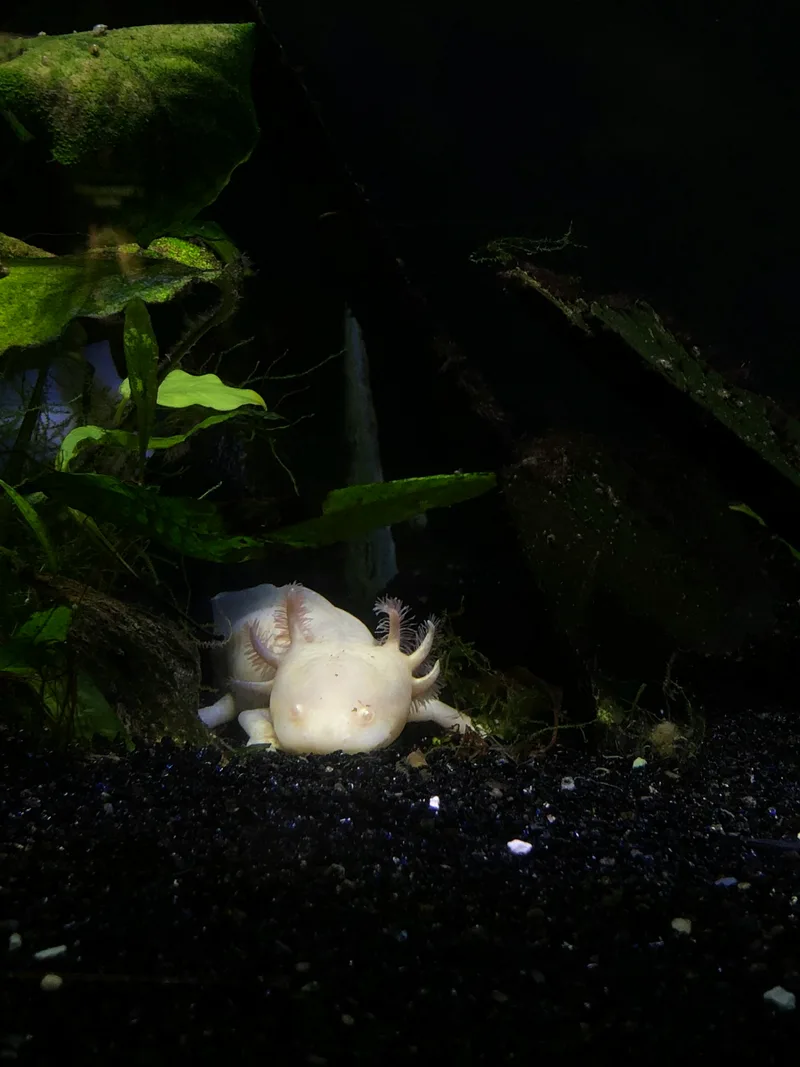
One female axolotl (Ambystoma mexicanum) can lay between 100 and 1,000 eggs in a single spawn, and well-conditioned adults are reported to push past 1,500. That count is per spawn, not per year. In the lake habitat axolotls evolved in, almost none of those eggs would have survived. In your aquarium, where there is nothing to eat them, every one of them is sitting there waiting on a decision from you.
What Should I Do If My Axolotls Just Spawned?
The most important first move is to get the eggs away from the parents. Axolotls eat their own eggs without hesitation, and even a careful pair will work through a clutch within a day or two. Scoop the plants, decor, and filter intake the eggs are stuck to, or gently lift the eggs themselves with a soft net, and move them into a separate container with water from the same tank.
Once the eggs are safe, the real decision is how many you actually plan to raise. Even 50 hatchlings is a serious commitment. Each one needs live food (newly hatched brine shrimp) every day, daily water changes on a tub system, and eventually its own small compartment because the larvae will start eating each other. Most experienced breeders cap a first-time clutch at around ten to keep, and they line up homes for those ten before the eggs hatch. Culling the rest, by freezing the eggs before development is far along, is normal and ethical practice in the hobby. Releasing them is illegal in most places and ecologically dangerous everywhere.
A short list of first actions, in the order you should do them:
- Move every visible egg into a separate container of tank water.
- Drop the egg container's temperature a few degrees (a cool room is enough) to slow development and buy you thinking time.
- Decide on a realistic number to keep, and be honest about your tubs, your time, and your live-food supply.
- Line up homes (other keepers, local clubs, sometimes a willing fish store) or commit to a culling plan before the eggs hatch.
- Get a brine shrimp hatchery running now, because the larvae will need live food about two weeks after the eggs are laid.
Why Does the Egg Count Vary So Much?
A clutch of 100 and a clutch of 1,000 can come from the same species in the same tank conditions because the number tracks the female herself. Size, age, body condition, and how recently she last spawned all push the number up or down. A young female on her first spawn, especially one under about a year old, often produces 100 to 300. A large, well-conditioned adult who has not spawned in many months can lay over a thousand without obvious strain.
The deeper reason the range is so wide is the kind of animal an axolotl is. They evolved in shallow lake habitats around what is now Mexico City, where larvae faced predation from native fish, birds, and insects from the moment they hatched. The strategy that worked was to flood the water with eggs and let chance carry a few through. A few survivors out of a thousand is enough to keep a population going. So the female's body is built to produce on that scale when conditions allow.
That same biology is exactly why home-tank spawns feel so overwhelming. There are no predators in your aquarium. Nothing is thinning the clutch. Every egg the female lays is sitting right there, intact, demanding a decision from you that her ancestors never had to make.
How Many of Those Eggs Will Actually Survive?
In the wild, perhaps one or two larvae from a clutch of a thousand reach adulthood. In a separated home setup with clean water and steady feeding, the picture changes a lot. Hatch rates of 70 to 90 percent are normal, and you should expect most fertilized eggs to develop and emerge within about two weeks at typical room temperatures.
The losses come later, in the larval stage. Even with attentive care, plan to lose another 30 to 50 percent between hatching and juvenile size. Gas bubble disease (small bubbles forming under the skin from supersaturated water) takes some. Cannibalism takes more, especially once the larvae are large enough to grab a sibling's leg or gill. The daily live-food routine is also relentless in a way that is hard to picture from the outside. Brine shrimp need to be hatched fresh every day or two, water needs changing on every tub, and an off day can stunt or kill a whole batch. A realistic working number for a careful first-time breeder is something like 30 to 50 healthy juveniles out of a 200-egg clutch you tried to raise.
Did you know? Axolotl larvae are cannibals from the moment they start eating. A sibling's leg or gill is just protein at that age, and a larva that loses a limb to a tankmate often loses the rematch a day later. This is why serious breeders move them into shallow trays with one larva per small compartment as soon as they are feeding on their own.
How Often Can a Female Lay That Many Eggs?
A healthy female can physically spawn every few months if she stays paired with a male and the temperature swings around enough to trigger her. Her body starts rebuilding the next clutch the moment she finishes the current one, with no recovery window built in. Back-to-back spawns are draining in a way that shows up as slow recovery from minor injuries, weight loss, and a measurably shorter lifespan.
Most experienced keepers cap a healthy female at one spawn per year and around three spawns across her whole life, which is well below what her biology will physically allow. A clutch of 500 is biology doing exactly what it evolved to do in a habitat full of predators that no longer exist in your living room. The female is not failing or overproducing. She is built for a world that is not your tank. So the useful question is not how many babies an axolotl can have. It is how many you are prepared to raise, and the honest answer for most keepers is far smaller than the number floating in front of them. Deliberately breeding axolotls is a real project that costs months of daily live-food work and tubs of water you become responsible for, and that is the cost worth weighing before the next pair-up, not after.